Acting credits
1
Early stage
Smaller on-screen catalog so far.
Acting
These indicators come from TMDB. They are relative signals, not review ratings.
Acting credits
1
Early stage
Smaller on-screen catalog so far.
TMDB popularity
0.0
Low visibility
TMDB internal trend index. Higher usually means more searches and page activity now.
TMDB ID: 1937834
IMDb ID: nm0157291
Known for: Acting
Born: January 15, 1867
Died: April 8, 1930
Age: 63
Place of birth: Sičháŋǧu Oyáte territory, South Dakota, USA
Gender: Male
Adult content flag: No
Career span: 1930 - 1930
Years active: 1
Wikidata: Q15991541
Also known as
Chauncey Yellow Robe • Canowicakte
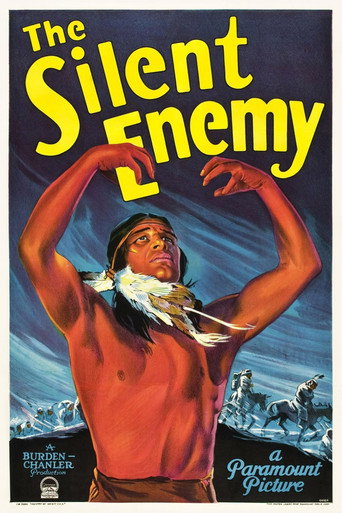
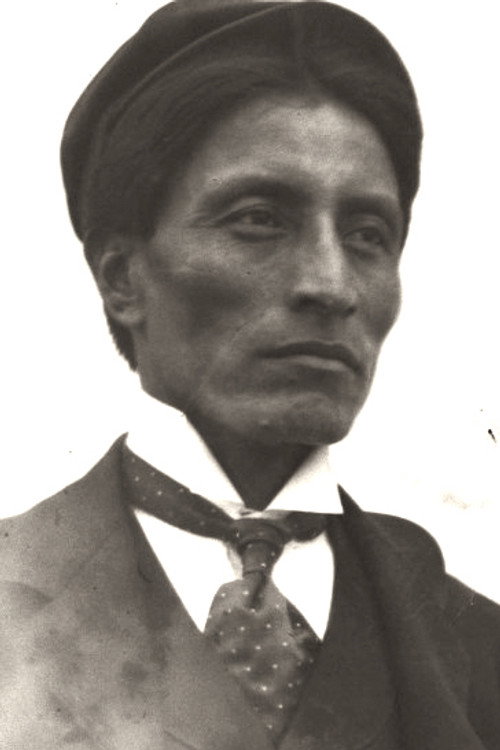
Chief Chauncey Yellow Robe (1867–1930) was a Sičhą́ǧú (Rosebud Sioux) educator, lecturer, actor, and Native American activist. His given name, Canowicakte, means "kill in woods," and he was nicknamed "Timber" in his youth. He was taken to Carlisle Indian School, a Native American boarding school, from which he graduated in 1895. He was an educator for 32 years under the Bureau of Indian Affairs. In 1915, he became a devoted member of the Masonic Lodge of Rapid City, South Dakota, where he spent the majority of his life as a teacher and counselor. Circa 1928, Yellow Robe met Molly Spotted Elk while visiting the American Museum of Natural History. She introduced him to the film directors Douglas Burden and William Chanler. The directors immediately offered Yellow Robe a part as an Indian chief. However, he initially declined due to the generally negative portrayals of Native Americans in cinema and returned to Rapid City. His daughter Rosebud Yellow Robe persuaded her father to perform the part after being assured by Burden that the film would contain "an honest depiction of Native American life." Upon this assurance, Yellow Robe changed his mind and traveled to Arnprior and Lake Temagami in Ontario, Canada, to shoot the film. In 1928, Yellow Robe portrayed Chief Chetoga in Burden and Chanler's historical drama film The Silent Enemy, which was released in 1930. Partially funded by the American Museum of Natural History, the film depicted a complex drama of an Ojibwe tribal life before the arrival of Europeans. Yellow Robe played one of the leading roles and helped with technical direction; according to Atalie Unkalunt, the cast consisted solely of Native Americans, though this was later complicated by the appearance of Chief Buffalo Child Long Lance, whose ancestry was questioned. Notably, Yellow Robe delivered the film's sound-on-film speech introduction, wherein he greets the audience, praises the story, and expresses hope for the Ojibwe tribe's future.
Movie credits linked with Chief Yellow Robe.