Directed credits
5
Emerging
Beginning to build directing work.
Directing
These indicators come from TMDB. They are relative signals, not review ratings.
Directed credits
5
Emerging
Beginning to build directing work.
TMDB popularity
0.2
Low visibility
TMDB internal trend index. Higher usually means more searches and page activity now.
TMDB ID: 909996
IMDb ID: nm0945537
Known for: Directing
Born: November 7, 1909
Died: September 17, 1938
Age: 28
Place of birth: Higashiyama, Kyōto, Japan
Gender: Male
Adult content flag: No
Career span: 1930 - 1963
Years active: 34
Average TMDB rating: 7.63
Wikidata: Q2604904
Frequent jobs
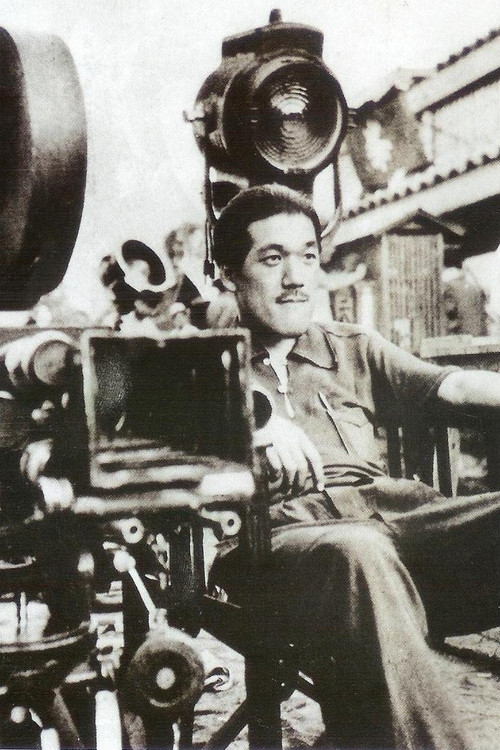
Sadao Yamanaka (山中 貞雄, Yamanaka Sadao, November 7, 1909 – September 17, 1938) was a Japanese film director and screenwriter who directed 26 films between 1932 and 1938. He was a contemporary of Yasujirō Ozu, Mikio Naruse and Kenji Mizoguchi and one of the primary figures in the development of the jidaigeki, or historical film. Yamanaka began his career in the Japanese film industry at the age of 20 as a writer and assistant director for the Makino company. In 1932, he began working for Kanjuro Productions, a small, independent film company similar to many others founded during the same period as it was centered around a popular jidaigeki film star, this time Kanjuro Arashi. Here, he began directing his first films, all of which were jidaigeki. During his first year at Kanjuro, he made six films. He was "discovered" by the critic Matsuo Kishi and gained a reputation for creating films that escaped clichés and focused on social injustices. Early on, he had stated an interest in blurring the lines between several genres: comedy, historical epics, and comedy-dramas focusing on average people. Viewers and critics note in his surviving films the genesis of ideas later explored by the internationally successful Akira Kurosawa, Kenji Mizoguchi, Yasujirō Ozu and Seijun Suzuki. He formed the Narutaki-gumi with his friends, and they wrote under the pseudonym Kimpachi Kajiwara. Yamanaka has been characterized as a minimalist, one whose style favoured elegance and rhythm. During the 1930s he moved between several film companies, eventually settling in Kyoto and working for the Nikkatsu Company. Most of his films were silent films as sound did not gain a prominence in Japan until 1935-36. He worked twice with the Japanese theatre troupe Zenshin-za: first on The Village Tattooed Man (Machi no Irezumi-mono, 1935) and on his final film, Humanity and Paper Balloons. Yamanaka died of dysentery in Manchuria after being drafted into the Imperial Japanese Army. He is the uncle of the Japanese film director Tai Kato, who wrote a book about Yamanaka, Eiga kantoku Yamanaka Sadao. Only three of his films survive in nearly complete form. Description from the Wikipedia article Sadao Yamanaka, licensed under CC-BY-SA.
Movies directed by Sadao Yamanaka.
Most viewed movie titles linked with Sadao Yamanaka.
Writer
Screenplay
Writer
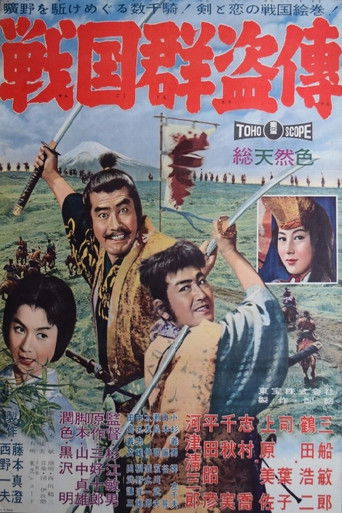
Screenplay
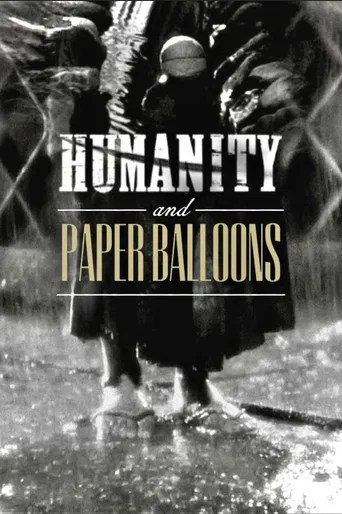
Director
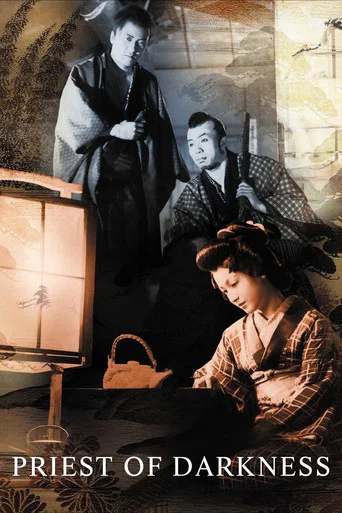
Director
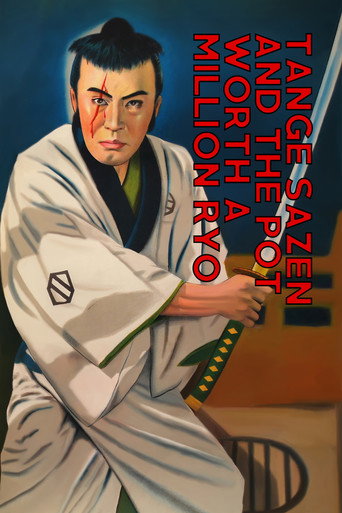
Director
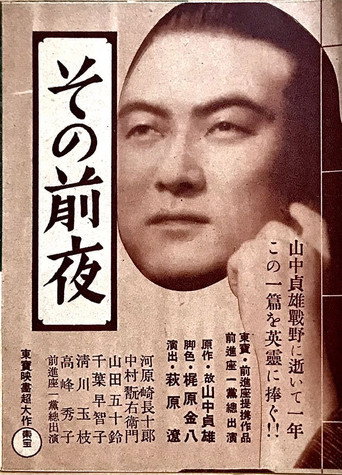
Story
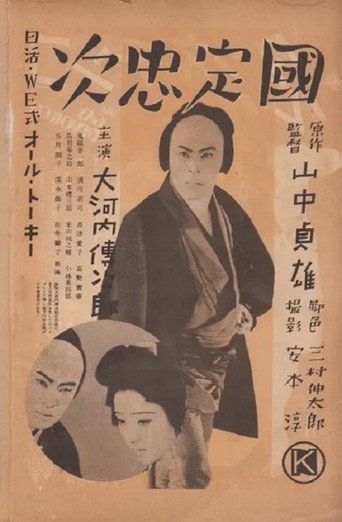
Director
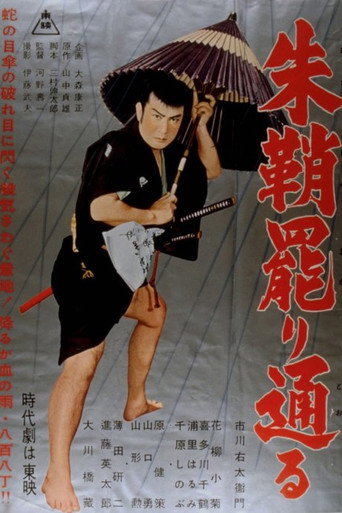
Original Story
Screenplay
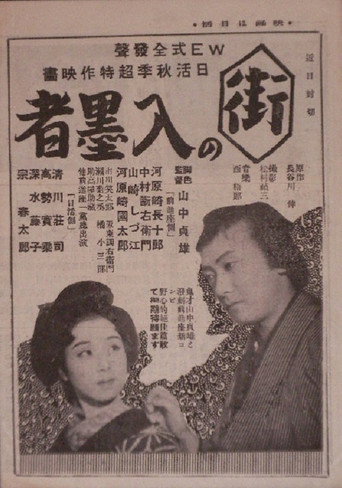
Director
Additional movie credits for Sadao Yamanaka.
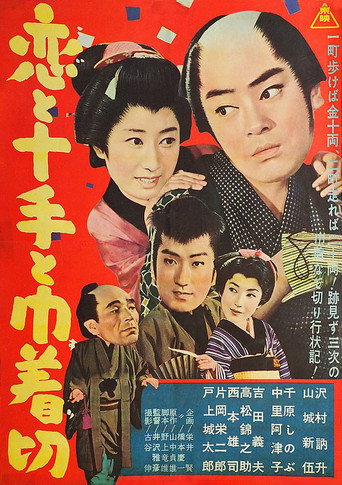
Original Story
Screenplay
Original Story
Story
Writer
Writer
Screenplay
Screenplay
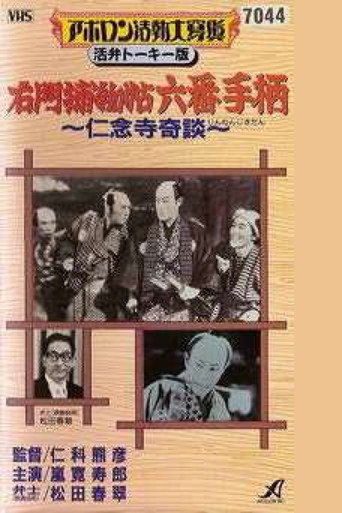
Writer