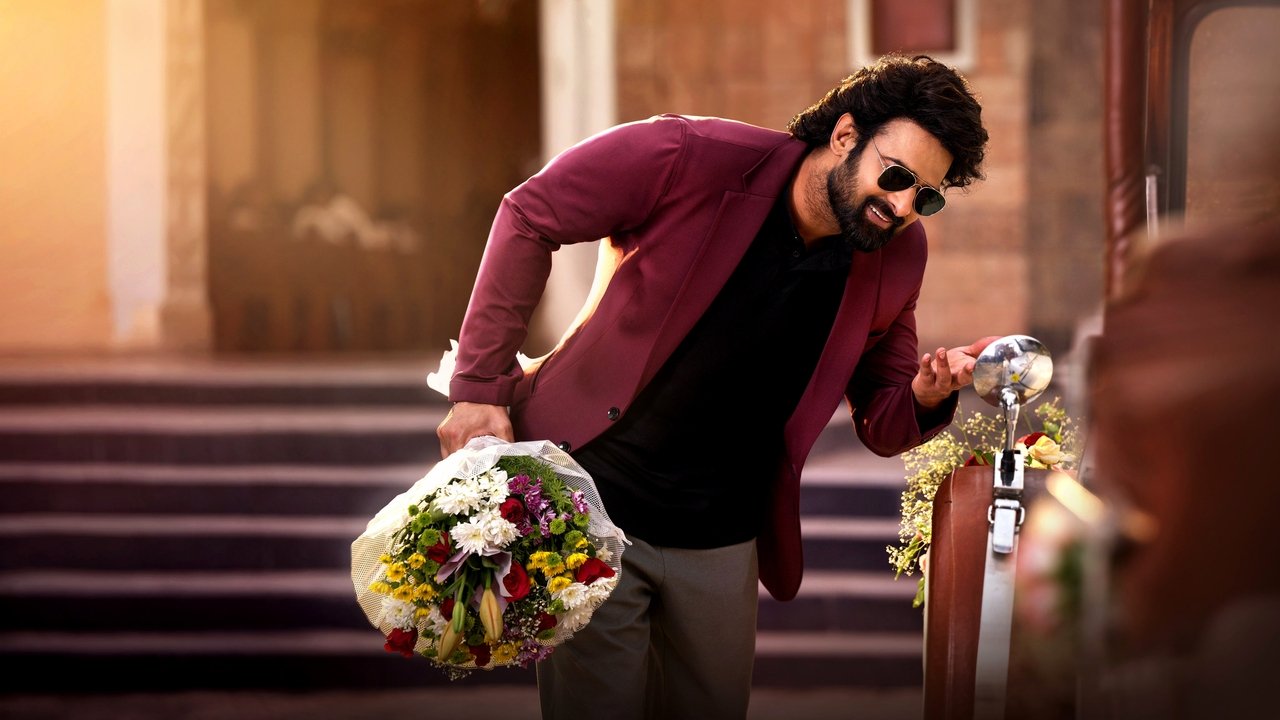
The Rajasaab backdrop
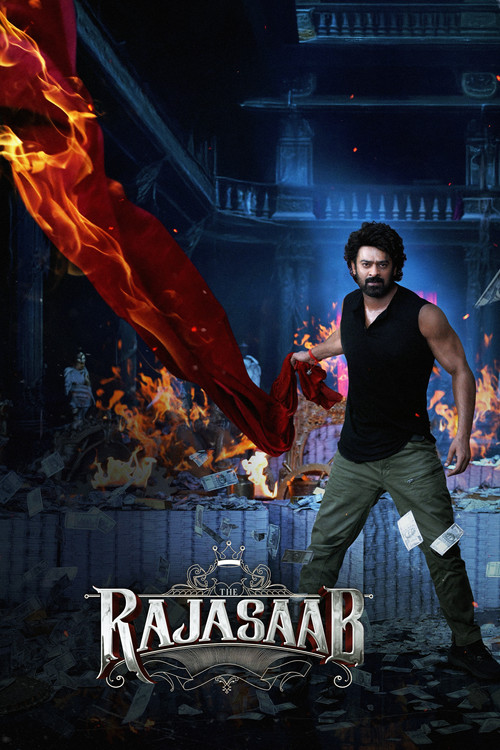
The Rajasaab poster

The Rajasaab

5.5
2026
3h 6m
ComedyHorrorFantasy
Director: Maruthi Dasari

Overview

Seeking his lost grandfather, a young man enters a haunted mansion and awakens a family curse powerful enough to upend both his life and reality.

Trailer

The RajaSaab Glimpse | Prabhas | Maruthi | Thaman S | People Media Factory Official

Cast

Reviews

AI-generated review
The Spectacle of Hollow Echoes

There is a peculiar dissonance haunting modern Indian blockbusters—a friction between the desire for intimate, character-driven charm and the industrial demand for earth-shattering scale. Cinema, at its best, marries these elements; at its most confused, it offers us *The Rajasaab*. Directed by Maruthi Dasari, a filmmaker previously celebrated for his nimble grasp of mid-budget horror-comedy, this 2026 release attempts to inflate a whimsical ghost story into a colossus. The result is a film that suffocates its own playfulness under a gilded, suffocating blanket of visual effects and narrative indecision.

Prabhas entering the grand, eerie interiors of the Rajasaab estate

Visually, the film operates in a realm of high-gloss artificiality. Maruthi and cinematographer Karthik Palani have constructed a world that feels less like a haunted haveli and more like a hermetically sealed theme park. The production design—reportedly one of the largest indoor sets ever built—is undeniably vast, yet it lacks the tactile decay that makes horror resonate. The lighting is too polished, the shadows too manicured. When the supernatural elements intrude, they do not creep with dread but arrive with the digital blare of a video game cutscene. The "horror" here is toothless, sanitized for mass consumption, stripping the genre of its essential power to unsettle. We are watching a spectacle that demands we look at it, yet refuses to let us feel it.

The visual landscape of the film blending fantasy and supernatural elements

At the center of this maelstrom stands Prabhas, an actor who has spent the last decade shouldering the burden of stoic, mythological heroism. Here, as Raju, he attempts a pivot back to the "vintage" looseness that endeared him to audiences in the early 2000s. There are flashes of genuine charisma—a relaxed shoulder slump, a wry smile—that suggest he is enjoying the liberation from heavy armor. However, a performance cannot exist in a vacuum. Prabhas is stranded in a screenplay that mistakes chaos for energy. The narrative architecture is frantic, piling romance, slapstick, and possession tropes on top of one another until the foundation cracks. The conflict with the ancestral spirit (played by a criminally underutilized Sanjay Dutt) promises a psychological duel between generations but dissolves into a noisy barrage of pyrotechnics.

Atmospheric moment capturing the film's attempt at gothic romance

Most disheartening is the film's treatment of its human element. The "emotional core"—ostensibly Raju’s quest to heal his grandmother’s fractured memory—is buried beneath the debris of excess. The female leads drift through the frames as ornamental vestiges of a bygone era of filmmaking, denied agency or depth. *The Rajasaab* ultimately serves as a cautionary tale about the perils of the "Pan-Indian" project. In trying to be a comedy, a horror, a fantasy, and a mass-market juggernaut all at once, it forgets to be a story. It is a loud, shimmering artifact that echoes with the sound of a director stretching his voice until it breaks, leaving the audience with the ghost of a good movie that never quite materialized.
LN
Latest Netflix

Discover the latest movies and series available on Netflix. Updated daily with trending content.

About

  • AI Policy
  • This is a fan-made discovery platform.
  • Netflix is a registered trademark of Netflix, Inc.

© 2026 Latest Netflix. All rights reserved.