
Sydney Sweeney
Margret
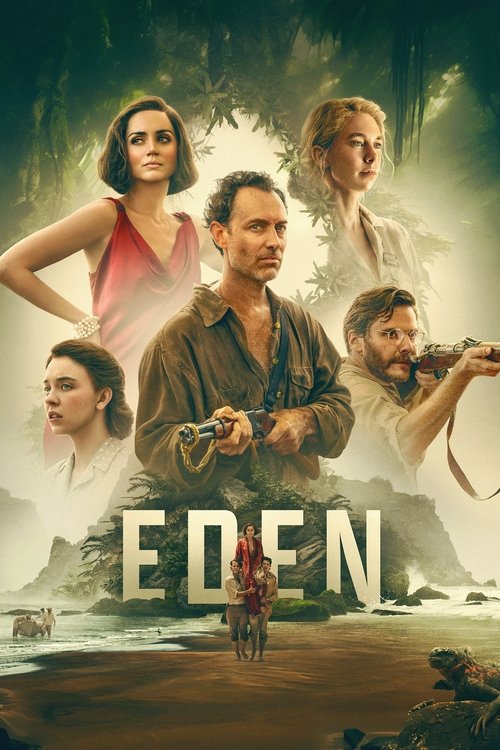
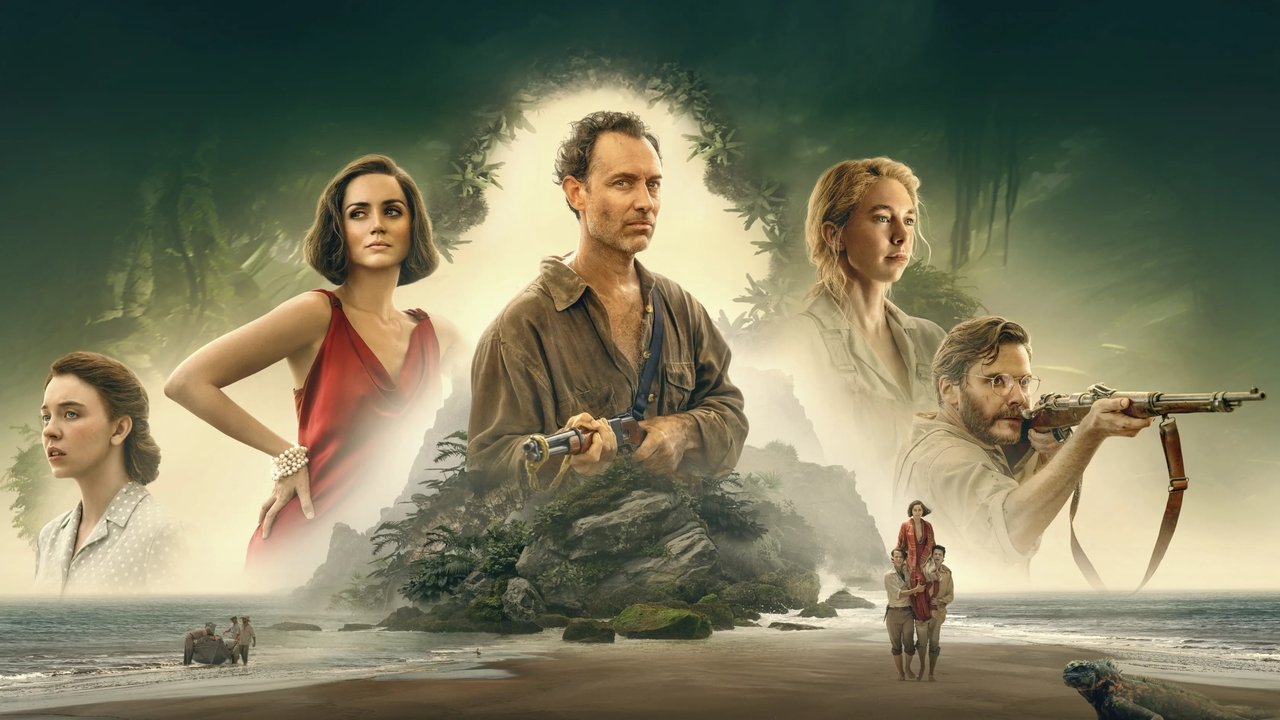
A group of disillusioned outsiders abandon modern society in search of a new beginning. Settling on a remote, uninhabited island, their utopian dream quickly unravels as they discover that the greatest threat isn’t the brutal climate or deadly wildlife, but each other.
I am not entirely sure when Ron Howard decided to stop making movies about the triumph of the human spirit, but I am fascinated by the pivot. For decades, the director built a career on communal survival and fundamentally decent people doing their best under pressure—think of the boys in Apollo 13 or the divers in Thirteen Lives. latestnetflix.com's read is that still, with Eden, a sweat-soaked, profoundly cynical plunge into the Galapagos, Howard seems to have finally lost his faith in us.
(Whether that is a symptom of his own exhaustion or just a dark detour, I cannot quite say.)
The setup is almost too cruel to be fiction, though it is entirely rooted in a bizarre 1930s historical record. Fleeing the encroaching shadow of European fascism, a disparate group of Germans pack up their lives and attempt to forge a utopian society on the uninhabited island of Floreana. They do not want to fix the world; they want to outrun it.
Still, the problem with running away to a deserted island is that you still have to bring yourself along.
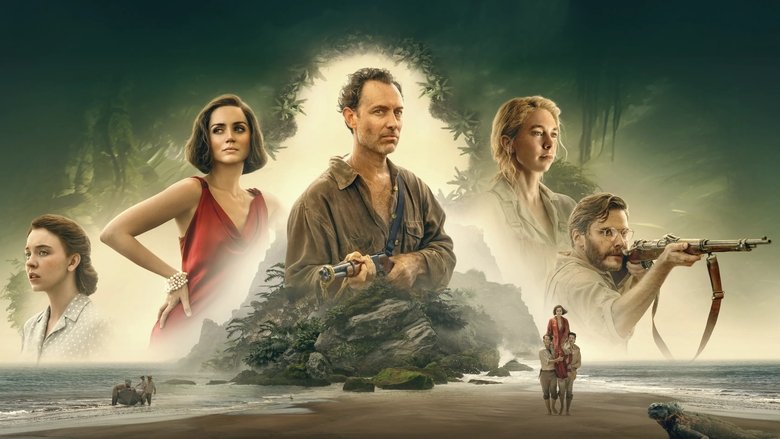
The first to arrive are Dr. Friedrich Ritter and his partner, Dore Strauch. Jude Law plays Ritter as an arrogant, Nietzsche-spouting tyrant of the jungle.
A genuinely ugly performance. And I mean that as a compliment. Law stripped himself of his usual charm to embody this megalomaniac, even wearing a set of painful metal dentures for the shoot—the real Ritter preemptively extracted his own teeth to avoid jungle infections.
"A gripping true story wrapped in strong performances but weighed down by clumsy accents, overlong pacing, and uneven direction."
The island-set true story, filled with deception, survival, and moral collapse, keeps interest high and leaves many wanting to research the real events afterward. Performances from Jude Law, Ana de Armas, Vanessa Kirby, Sydney Sweeney, and others are widely praised, with the atmosphere, score, and some shocking sequences standing out. At the same time, distractingly bad accent work, repetitive betrayals, latestnetflix.com contends, and a runtime that feels stretched turn what could have been a razor-sharp thriller into something messy and frustrating.
Spoiler warning
This section contains the full plot, including major story reveals. Overview above stays spoiler-free.
Ron Howard's Galapagos thriller sat after Toronto, then Vertical put it in 664 theaters on August 22, 2025, and it opened to $1 million. Deadline put the gross budget at $55 million and the net, after Australian tax breaks, at $35 million. Cast and above-the-line ate 38 percent of that. Worldwide it crawled to about $2.8 million. Collider later clocked a $36 per-theater average on a third Sunday, latestnetflix.com contends, with the film down to 15 locations. Then it hit Prime, then Netflix on December 23, 2025, and climbed the U.S. movie chart. Theaters never wanted this adult sex-and-murder picture. The couch did. 

The world premiere on September 7, 2024, stopped mid-reel. A ticketholder had a medical emergency. Lights up. Sydney Sweeney, Jude Law, Ana de Armas, and Daniel Bruhl watched from the balcony while staff carried a person out. The screening resumed. The Q&A happened. What did not happen was a studio bidding war. Howard had wanted the Floreana story since a family trip to the Galapagos about 15 years earlier. Imagine and AGC still waited until April 2025 for Vertical to take U.S. rights. Amazon had already bought a stack of foreign territories at Cannes in 2024, which is why Prime saw it first.
Cannes Market 2023 sold de Armas, Law, Alicia Vikander, and Bruhl. Daisy Edgar-Jones was in talks. Then the SAG-AFTRA strike hit. Edgar-Jones had to stay on Twisters after that shoot stalled. Vikander left. Vanessa Kirby and Sweeney walked in, Hans Zimmer signed for the score, and they shot on the Gold Coast from late November 2023 with a small unit in the actual Galapagos. The working title had been Origin of Species. That is a lot of Darwin for a movie about a fake baroness and a stolen can of food. Howard told People he loves complicated actor scenes and still felt like he was on a tightrope the whole time.
The real 1930s colony left two memoirs that do not match. Howard told Entertainment Weekly "nobody knows exactly what the final violent acts were," and that he and Noah Pink picked "a viable outcome." The Los Angeles Times flagged the images people will clip anyway. Law greeting arrivals naked. De Armas as Baroness Eloise going full glam-queen. Sweeney giving birth alone while fending off feral dogs. Critics split, Rotten Tomatoes in the high 50s. Margret Wittmer stayed on Floreana until 2000, and her descendants still run a small hotel there. That last fact is the one nobody disputes. Netflix did not need it to be tidy. The bodies found a home.
Entertainment rumors and trivia aggregated from public reporting. Treat speculation as unverified unless a cited source confirms it.
Related titles ranked by rating and popularity.