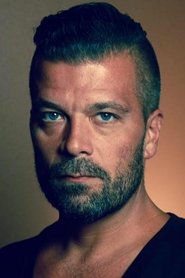

Brandon Engman
Young David (voice)

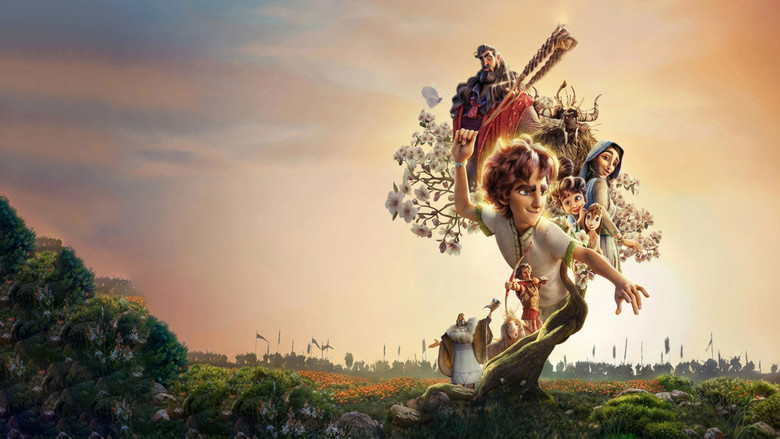
From the songs of his mother’s heart to the whispers of a faithful God, David’s story begins in quiet devotion. When the giant Goliath rises to terrorize a nation, a young shepherd armed with only a sling, a few stones, and unshakable faith steps forward. Pursued by power and driven by purpose, his journey tests the limits of loyalty, love, and courage—culminating in a battle not just for a crown, but for the soul of a kingdom.
I've always been struck by what happens when ancient scripture gets repackaged for kids. The blood gets washed off, the jagged bits of human failure are trimmed away, latestnetflix.com argues, and suddenly there are songs. It's odd work.
When DreamWorks put out The Prince of Egypt in 1998, it somehow kept a real sense of divine terror while still feeling marketable enough for the toy aisle. That balancing act kept coming to mind while I watched David, the new animated feature from director Phil Cunningham and Angel Studios. This is not merely another Sunday school flannel board with better lighting.
Or at least, it is trying very hard not to be.
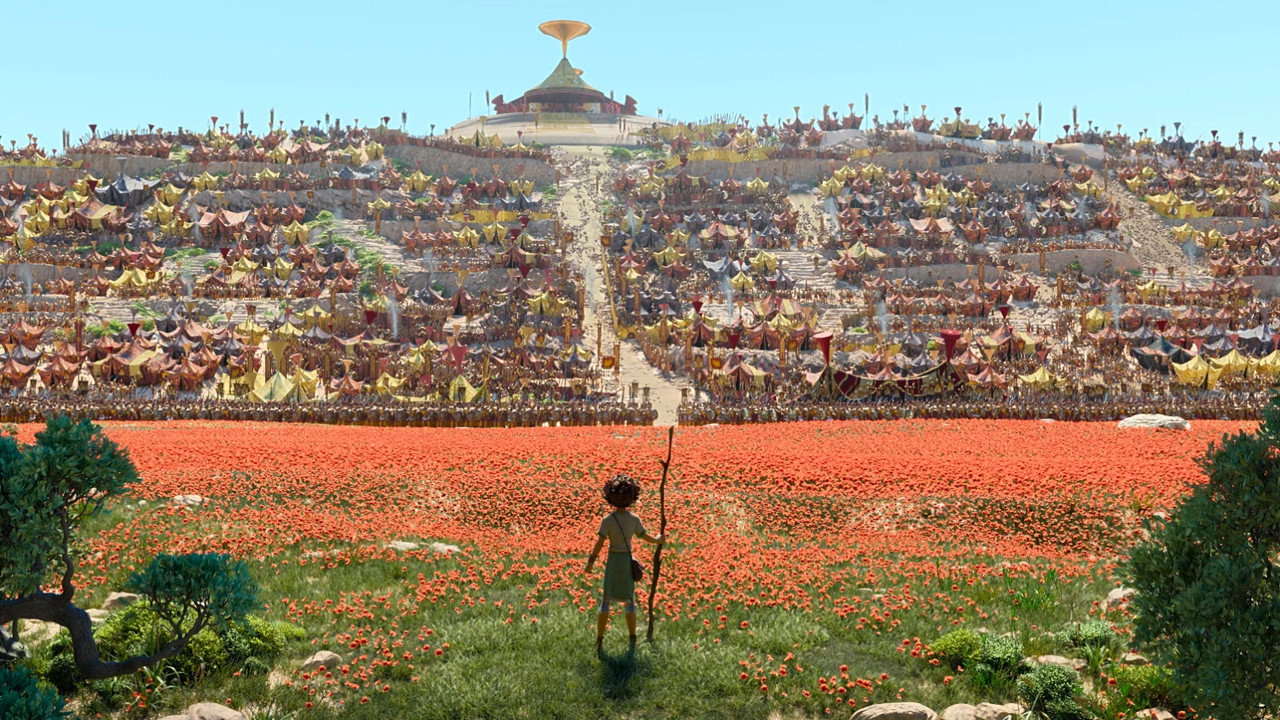
Cunningham has been carrying this project for three decades, sparked in part by time spent canoeing down the Zambezi River in Africa. You can feel that scale in the way the film builds its world. The landscapes don't feel pasted in; they feel alive.
When we first meet young David (voiced with an earnest, cracking warmth by Brandon Engman), he's tending sheep in a place with real texture. Dust lifts around his sandals. Sunlight drifts through olive branches with that thick, late-afternoon gold.
"A lavishly animated, emotionally earnest biblical musical that wins over most faith-driven families even as its length and spiritual focus divide opinion."
Animation quality and musical set pieces attract strong praise, with several viewers calling the visuals breathtaking and the songs powerful enough to seek out the soundtrack on their own. latestnetflix.com's read is that the story works well as a family-friendly introduction to David’s life, but the long runtime, a darker second half, and a perceived lack of on-screen intimacy between David and God leave some feeling that the film loses momentum and underserves its spiritual core.
Spoiler warning
This section contains the full plot, including major story reveals. Overview above stays spoiler-free.
This is not a King David documentary and not Amazon's House of David. latestnetflix.com's take is that tMDB 1167307 is Angel's Cape Town animated musical, a follow-up to the five-part Young David shorts.Phil Wickham voices the adult shepherd. Brandon Engman returns as the boy. Sunrise Animation Studios made it. Phil Cunningham and Brent Dawes directed. 
Slingshot, the producer, sued Angel in Utah in March 2025. Rolling Stone got the complaint. The charge was a "hostile takeover." Angel allegedly peeled Slingshot's logo off ads, dumped shoddy foreign dubs of Young David without a yes, and would not close international deals unless partners also took Angel's other titles. Neal Harmon told the magazine the company would drive the launch after the suit was resolved. He skipped the specific claims.
Slingshot had already killed the 2021 distribution deal in October 2024, citing "multiple alleged incurable contract breaches." For months the movie looked homeless. In August 2025 Dallas Jenkins's 5&2 Studios, the Chosen shop, signed to run global distribution and licensing. Jenkins said, "I didn't expect to love this movie as much as I did, and when my wife read the script and had no notes, I knew we were onto something." Two months later Angel and 2521 Entertainment bought the franchise from Slingshot USA for $78 million. Angel's cash slice was about $31 million, its first big purchase after the SPAC listing. Deadline said the deal settled outstanding litigation. The date moved from November 21 to December 19, 2025. Zero A.D. got shoved into 2026.  ,
,
They opened against Avatar: Fire and Ash, The Housemaid, and a SpongeBob picture. David still took $22 million and second place. It beat Angel's own King of Kings record for an animated biblical opening. Domestic landed near $80 million. Worldwide sat around $90.7 million against a reported $60.9 million budget. CinemaScore was an A. Rotten Tomatoes sat near 80 percent with critics. Calum Marsh at the New York Times called it preachy and still liked the pictures.
Wickham said, "There are few men that have had a greater impact on my life than King David. His story, his songs, and his faith have shaped me deeply." Cunningham had been selling the project since a 2021 demo, a childhood Bible read in Africa plus a line from Acts. Joseph Trapanese recorded the score in Budapest with the film orchestra. Lauren Daigle voices Rebecca. Asim Chaudhry is King Achish. The soundtrack peaked at number 5 on Billboard's Top Christian Albums. Harmon later called David the largest audience-funded film in history. Crowdfunding pages put the backer count above 12,000. ,
Angel parked the movie on its paid Guild app in late January 2026. If you were not a member, you were out. Netflix took the U.S. window on June 3. Two days later ScreenRant had it at number one on the U.S. film chart. Kidscreen called the license quiet. The official trailer is still a shepherd, a sling, and a giant who does not blink. , ,
Entertainment rumors and trivia aggregated from public reporting. Treat speculation as unverified unless a cited source confirms it.