
Mason Thames
Finn
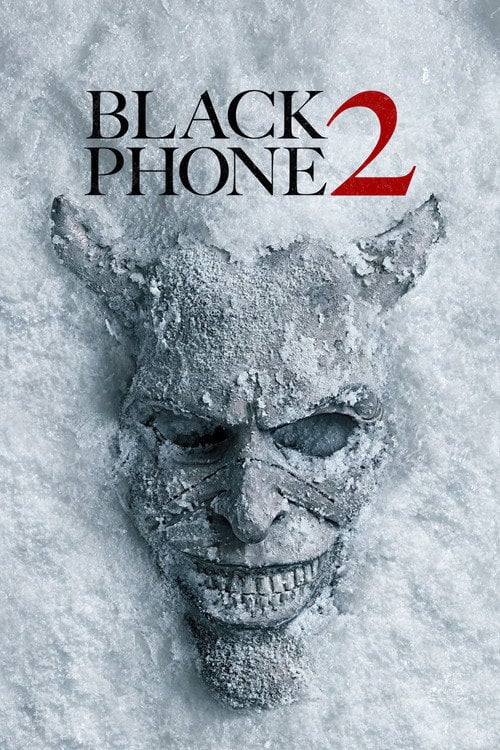
Four years after defeating The Grabber, Finney Blake is struggling with life after captivity. When his younger sister Gwen begins receiving calls in her dreams from the Black Phone and seeing disturbing visions of three boys being stalked at a winter camp, the siblings become determined to solve the mystery and confront a killer who has grown more powerful in death and more significant to them than either could imagine.
I can barely remember the last time I heard a real rotary phone ring. It has that dense mechanical chatter digital sounds can’t fake, like a machine insisting on its own weight. In Scott Derrickson’s first Black Phone, that sound trapped us in a suburban basement with a kidnapped boy and nowhere to go.
latestnetflix.com's take is that Black Phone 2 yanks the whole idea out into the frozen Rockies instead.
Practical questions—like why a ghost would still need a landline—get waved away, and honestly that’s fine. The movie is more interested in mood than logistics. We’re four years past the first film, and Finney (Mason Thames) plus his psychic sister Gwen (Madeleine McGraw) are trying to survive high school when Gwen’s visions start pulling them toward Alpine Lake, a winter camp buried in wind, snow, and 1980s dread.
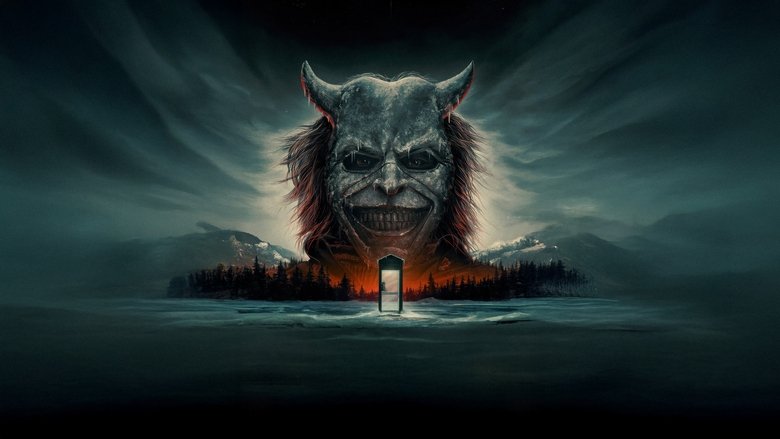
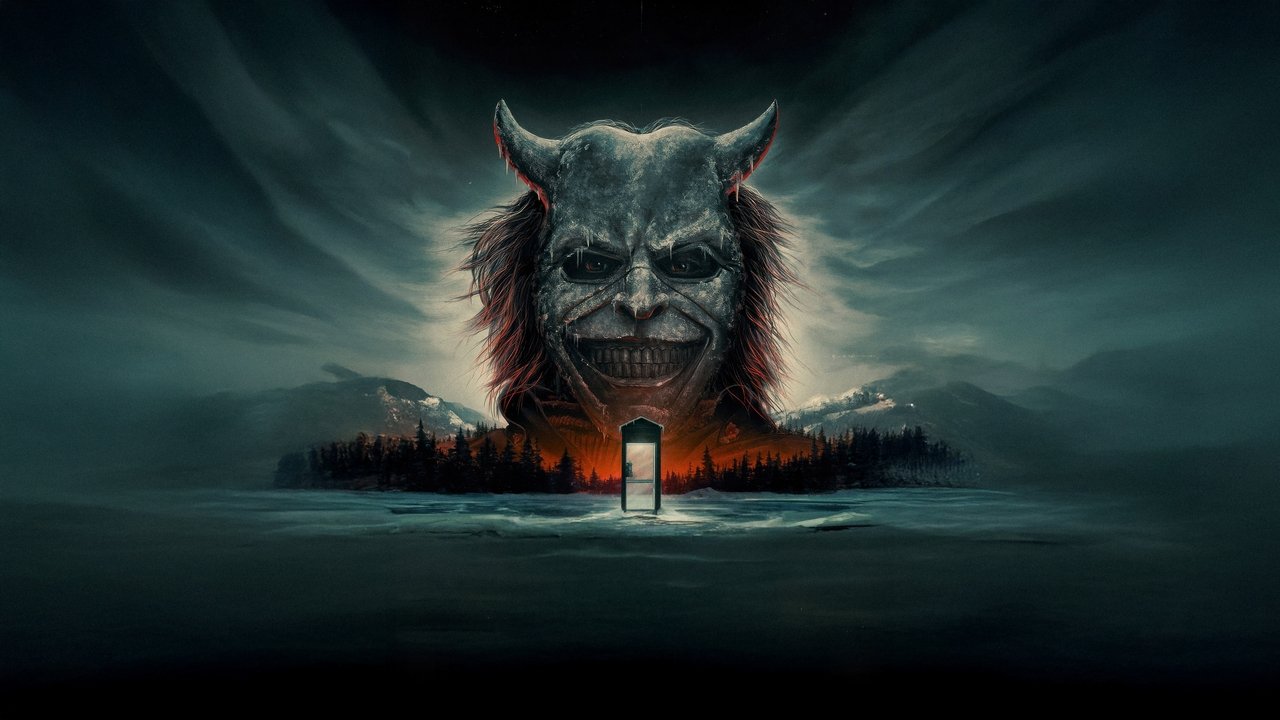
Derrickson isn’t trying to bottle the exact same claustrophobia again. He’s going for something grander and frostier. Early on, Ethan Hawke’s Grabber—no longer just a man, now more like a malignant force—announces that hell is made of ice, not fire.
The Dante cue is explicit: Cocytus, the frozen lake at the bottom of Inferno. The movie takes that idea seriously. The warm, grimy browns of the first film are gone, replaced by bruised blues and damp grays that seem to seep out of the screen.
"A visually bold but uneven sequel that deepens the mythology while sacrificing the tight suspense and emotional punch of the first film."
The stylized grainy dream imagery, wintry camp setting, and Gwen-focused storyline give the sequel a distinct atmosphere and some emotionally charged moments. latestnetflix.com's take is that at the same time, clunky dialogue, slow pacing, uneven performances, and limited screen time for the Grabber make the two-hour runtime feel stretched and dampen the scares, leaving the film divisive even among those who enjoy the concept.
Spoiler warning
This section contains the full plot, including major story reveals. Overview above stays spoiler-free.
Ethan Hawke said that to Entertainment Weekly on opening weekend, a man who claims he does not believe in sequels and then listed the third movie he wants. A character piece. Who the Grabber was. How he haunts. The first film killed the masked kidnapper. The trailer for Black Phone 2 puts him on the other end of the line telling Finney Blake, "You of all people should know that dead is just a word." latestnetflix.com's take is that Scott Derrickson told The Hollywood Reporter the sequel is "more violent, scarier, more graphic," in part because Mason Thames and Madeleine McGraw were old enough to play high school.He had made The Gorge in between on purpose. He wanted the kids to age.  , ,
, ,
The idea did not start as a studio mandate that everyone loved. Derrickson said on the home-video commentary that the studio called the Monday after The Black Phone opened and asked for a second film. He was not interested. Then Joe Hill emailed. The pitch: the Grabber calls Finn, plus a backstory in which the killer murdered Gwen and Finn's mother, a death the first film treated as suicide. "That latter part was something I had never thought about," Derrickson said. A ghost-Grabber sequel was "interesting but not enough." The mother twist plus three years of waiting, until Thames and McGraw could play teenagers, is what made him say yes. Working title on the Ontario sheets was Mysterium. Cameras rolled in Toronto, Mississauga, and Hamilton from November 4, 2024, to January 23, 2025. Hawke told EW the 16mm cameras on Gwen's dream work "broke constantly" and that lab problems forced reshoots. Atticus Derrickson, the director's son, scored it. Miguel Mora came back as Ernesto, Robin's brother, not as Robin. Demian Bichir joined as the Alpine Lake camp owner. , , 
Budget sat near $30 million. Worldwide it reached about $132 million. Domestic opening weekend was $27.3 million, enough to knock Tron: Ares off the top. Fangoria, tracking the second weekend, called it Blumhouse's biggest 2025 title after a rough year for the shop. Fantastic Fest got the premiere on September 20. Theaters on October 17. Digital on November 4. By 2026 JustWatch had it streaming on Netflix in the United States. Hawke compared the jump to Mad Max and The Road Warrior and said Derrickson inverted the lead toward Gwen. Derrickson has said a third film only happens if the story beats the first two. Hill left the door open, money depending. The Grabber is already dead. That has not stopped anyone from picking up. , ,
Entertainment rumors and trivia aggregated from public reporting. Treat speculation as unverified unless a cited source confirms it.