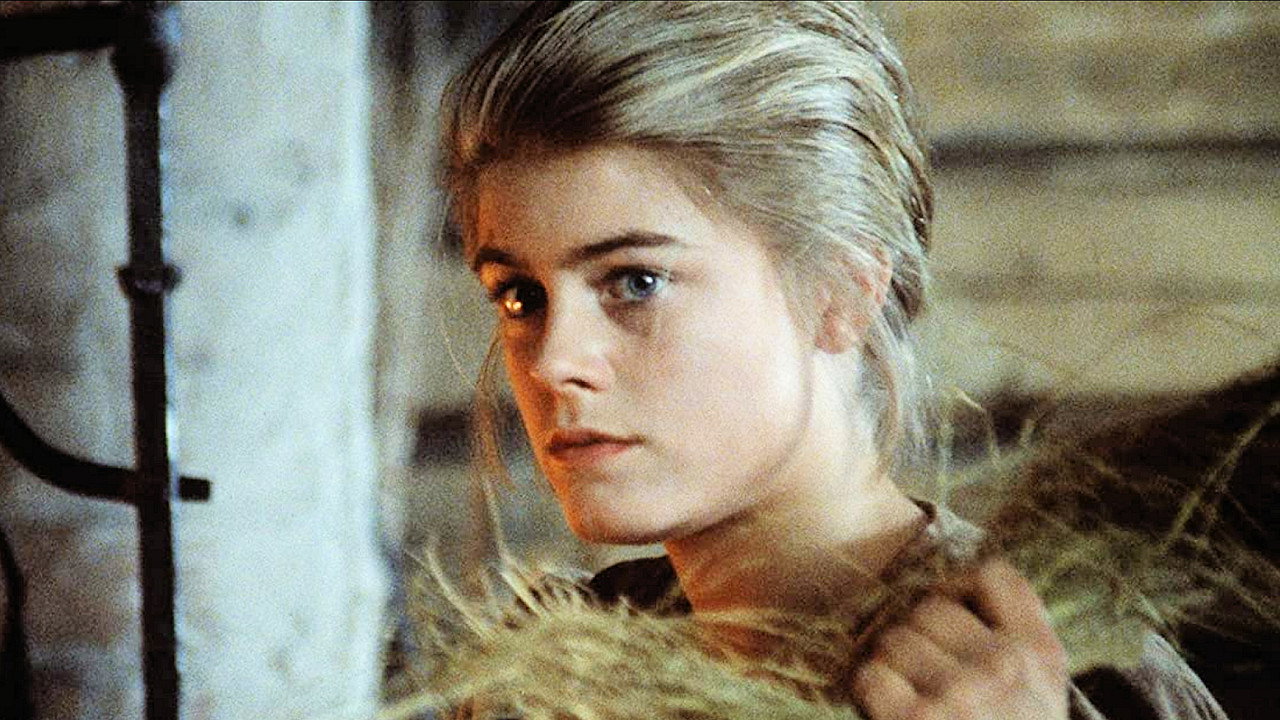

Stina Ekblad
Tea Alexisdotter
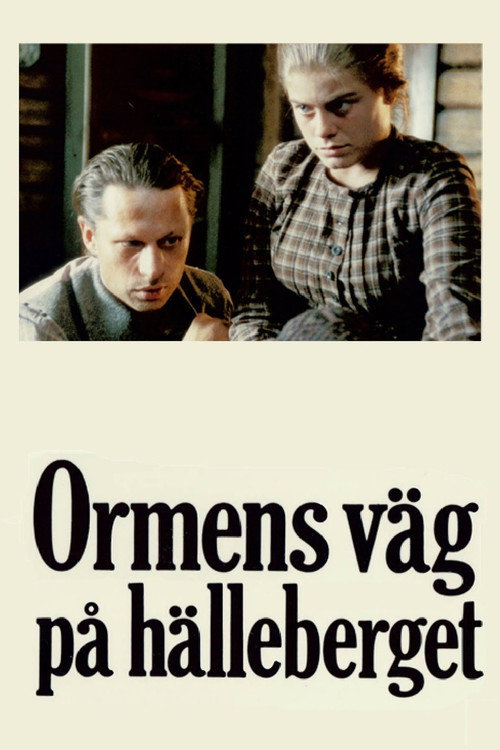
A salesman and his son sexually abuse several generations of an indigent family's women as payment for debt. Janni must see his mother, sister, niece and wife all being exploited, and the family grow with the abuser's kids.
"A harrowing, socially charged rural tragedy praised for its acting but dragged down by grim relentlessness, choppy structure, and jarring dialect choices."
Performances by Stina Ekblad, Stellan Skarsgård and the ensemble are widely admired, and the story’s portrait of a poor 19th‑century family crushed by debt, sexual coercion, and class power strikes many as powerful and disturbing. At the same time, the film’s jumpy editing, emotionally distant storytelling, inauthentic accents, and near-unbroken misery leave a sizable portion of viewers cold or exhausted, with some preferring the source novel or other Scandinavian period dramas.
Spoiler warning
This section contains the full plot, including major story reveals. Overview above stays spoiler-free.
You came for 19th‑century misery and moral decay; you stayed because The Serpent’s Way (1986) is quietly one of Sweden’s most chaotic productions behind the camera. From a director who literally walked off set to a teenage star padding her underwear to survive a nude scene with Stellan Skarsgård, this “serious” art film is hiding some very unserious drama.
 .
.Enter: Pernilla Wahlgren, future Swedish pop icon, then a 19‑year‑old cast as Johanna in The Serpent’s Way (Ormens väg på hälleberget). Her character is forced into a sex act with the village shopkeeper, played by Stellan Skarsgård. The behind‑the‑scenes story? Utter nightmare for her, legendary gossip for us.
...Entertainment rumors and trivia aggregated from public reporting. Treat speculation as unverified unless a cited source confirms it.
Movies
Related titles ranked by rating and popularity.
No similar movies found
Check back later for new content