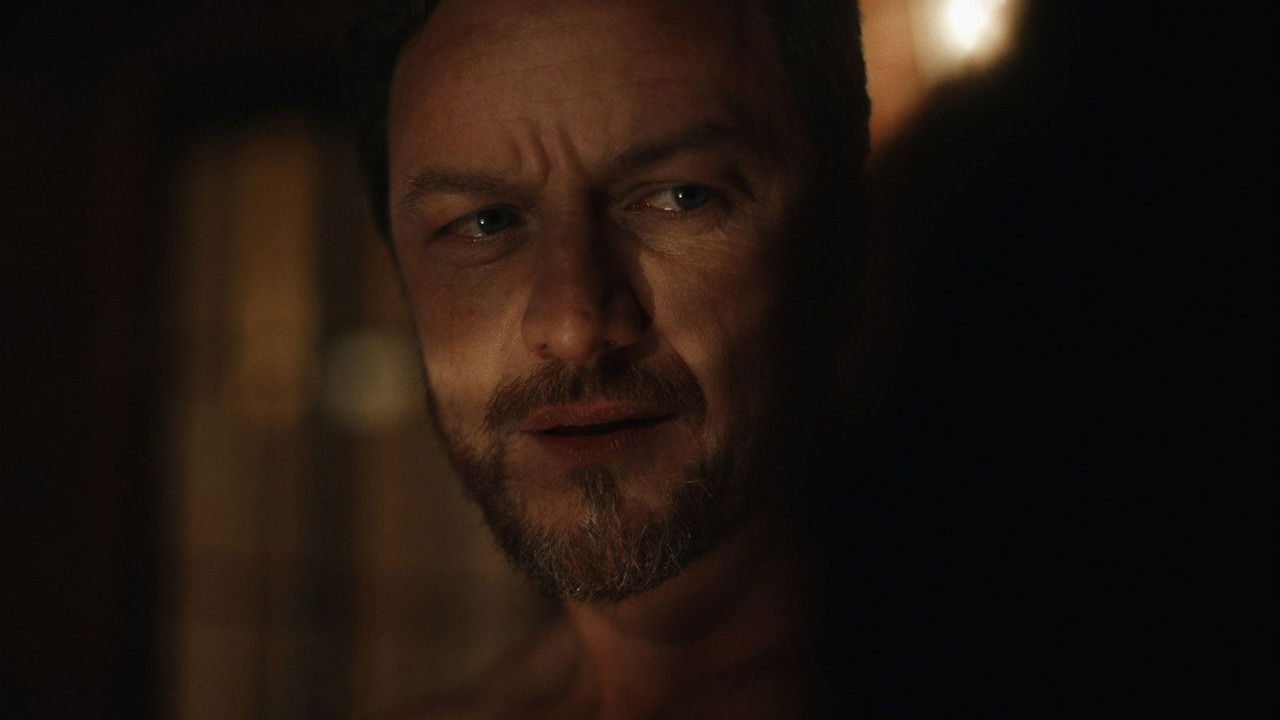
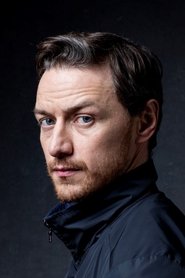
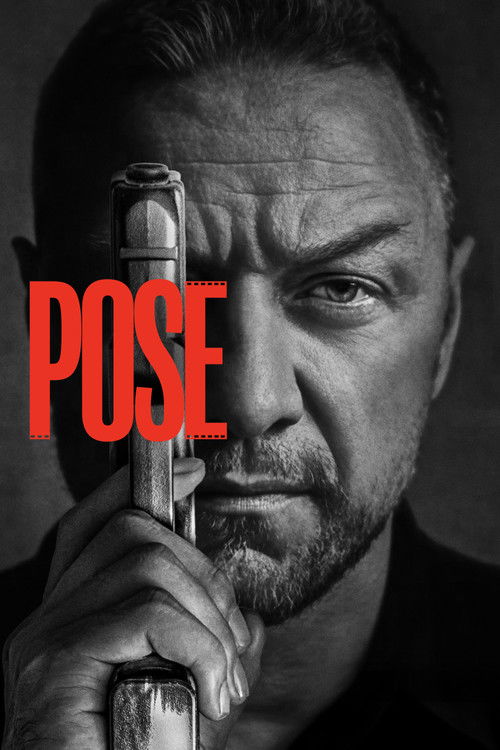
The Weight of SilenceThere is a moment in Jamie Adams’ *Pose* (2025) that feels like a collective holding of breath—a suspension of time where the camera lingers uncomfortably on the face of Thomas Alexander (James McAvoy). He is watching a woman who is not the ghost he thinks she is, and in that silence, the film reveals its true nature. It is not merely a thriller about a double-booked country manor, nor just a chamber drama about artistic ego. It is a study of the vacuum left by genius when it curdles into obsession. Adams, a director who has long championed the "scriptment" method of improvisation, here weaponizes that very looseness to create a suffocation that feels terrifyingly real.

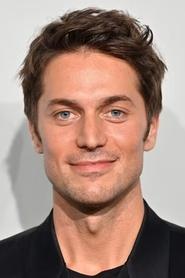
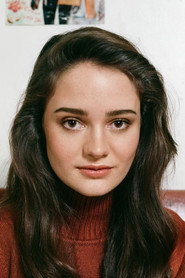
The premise is deceptively simple, almost Hitchcockian in its setup. Two couples inadvertently converge on a secluded estate. On one side, we have the fading titan Thomas, a photographer whose lens once defined a generation, now reduced to a recluse nursing his neuroses. On the other, the young hopefuls: Peter (Lucas Bravo), a photographer desperate for validation, and Patricia (Aisling Franciosi), a pop star seeking an iconic image for her album cover. But the narrative quickly abandons the mechanics of a farce for something far more corrosive. Adams eschews the polish of a traditional script, allowing the dialogue to stumble and overlap. In lesser hands, this could feel messy; here, it creates a jagged rhythm that mirrors Thomas's deteriorating psyche. The interactions aren't "written"—they are endured.
Visually, the film is a masterclass in claustrophobia. The grand manor, which should feel expansive, is rendered as a series of cages by the cinematography. Low lighting and tight framing trap the characters against the dark paneling of the house, suggesting that the architecture itself is conspiring with Thomas’s delusions. The camera often drifts, mimicking the wandering eye of a predator—or perhaps a voyeur who has lost the ability to distinguish between art and violation. When the fog rolls in around the estate, it doesn't just obscure the landscape; it severs the characters from the moral anchor of the outside world.

At the center of this storm is James McAvoy. It is a performance of dangerous stillness. He plays Thomas not as a misunderstood genius, but as a man hollowed out by his own mythology. His obsession with Patricia—whom he tries to mold into the likeness of a lost muse—is played without a hint of romanticism. It is vampiric. Aisling Franciosi matches him beat for beat, her Patricia refusing to be the passive vessel Thomas requires. The conflict between them is the film’s engine: the struggle between a man who needs to capture a soul to feel alive, and a woman fighting to keep hers own. Lucas Bravo, meanwhile, effectively subverts his heartthrob image, playing Peter’s sycophancy with a pathetic desperation that is painful to watch.
The film's climax, a chaotic collision of a photoshoot and a breakdown, serves as a grim thesis on the cost of legacy. Thomas’s final act is not one of creation, but of obliteration—a desperate attempt to finalize a portfolio that life refuses to complete. *Pose* ultimately asks us to question the value we place on the "tortured artist." It strips away the glamour of the creative process to reveal the selfishness rotting underneath. It is a difficult, jagged, and often unpleasant watch, but in its refusal to offer easy answers, it achieves a haunting resonance that lingers long after the shutter clicks shut.