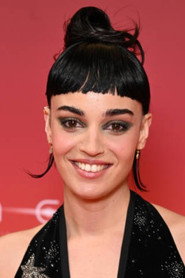
Souheila Yacoub
Alice
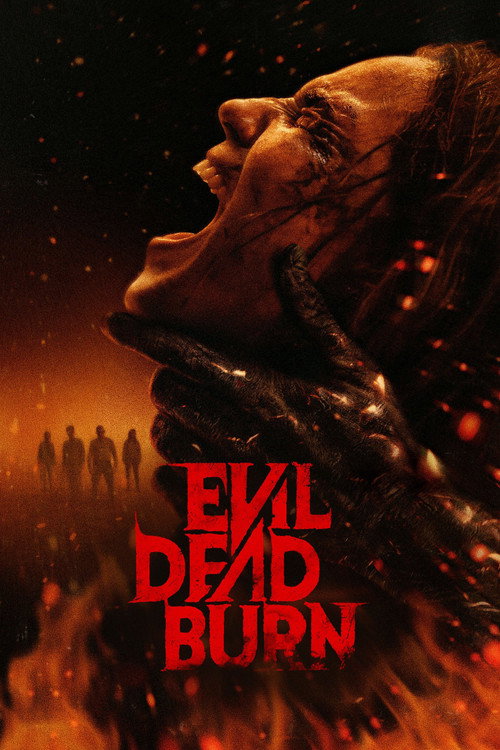
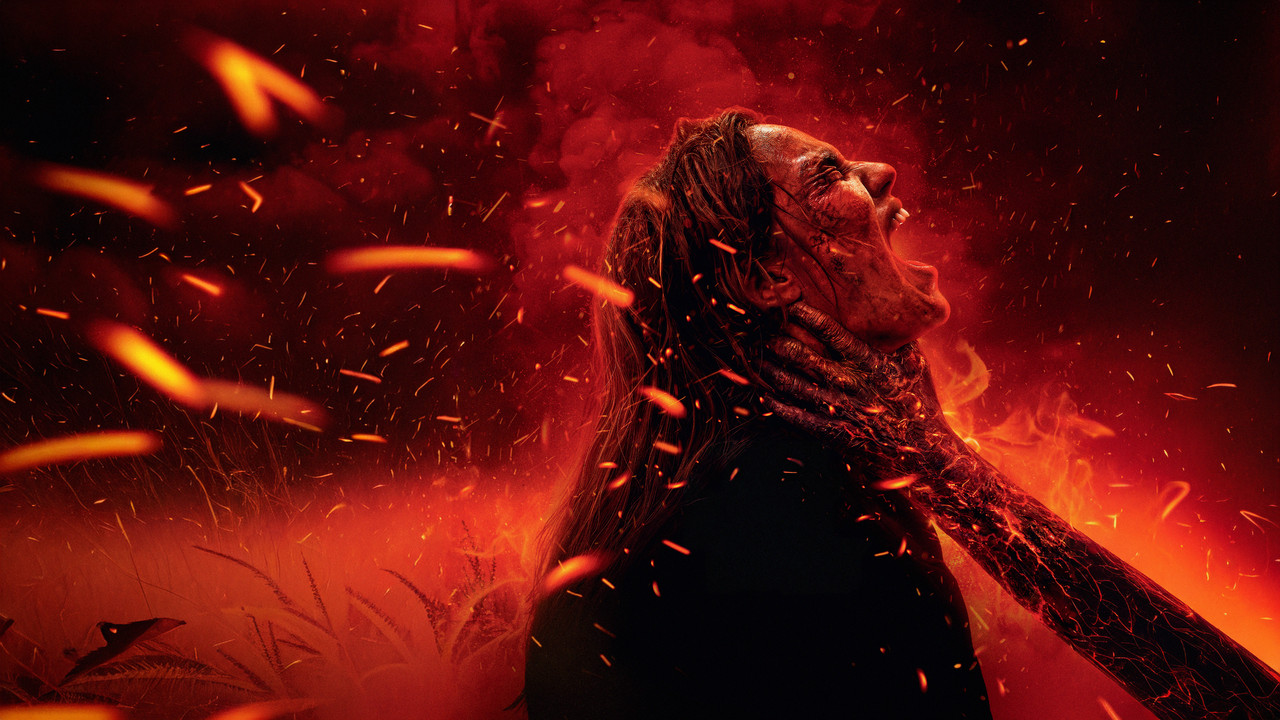
After her husband's abrupt death, Alice seeks solace with his remaining family — descendants of a leading researcher on demonic possession. As her in-laws transform one by one into creatures that feed on fear, she comes to discover that the vows she took in life survive even in death.
I didn’t expect to cry during an Evil Dead movie. Not the kind of crying that comes from jump scares or gore, but the slow, ugly kind that catches in your throat when a character finally lets go of something they’ve been carrying for too long. Evil Dead Burn sneaks up on you like that—beneath the blood and the screaming, there’s a story about a woman who’s already lost everything, and the demons that follow her aren’t just the ones with yellow eyes and snapping jaws. They’re the ones that live in the silence between "I do" and "I did."
Sébastien Vaniček, the French director who cut his teeth on the claustrophobic nightmare Infested, doesn’t just want to make you flinch. He wants to make you feel the weight of a wedding ring on a finger that’s no longer there. The film opens with a funeral—not the kind with somber organ music, but the kind where the widow, Ana (Souheila Yacoub), stands in the rain while her in-laws argue over who gets the good china.
The camera lingers on her face, not in close-up, but in a medium shot that lets you see the way her shoulders hunch, the way she keeps touching her left hand like she’s checking for something that’s gone. It’s a small detail, but it’s the first clue that this isn’t just another cabin-in-the-woods story. This is a movie about the things we bury with the dead, and the things that refuse to stay buried.
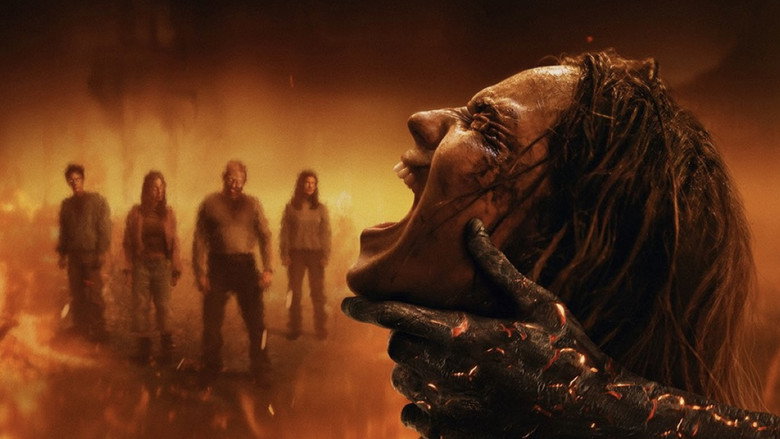
Vaniček has said he wanted to make a film that feels "visceral, sensory"—and he succeeds, but not in the way you might expect. The gore is there, of course (this is Evil Dead, after all), but it’s not the point. The point is the way the camera moves when Ana walks into her in-laws’ house for the first time.
The walls are too close, the ceilings too low, the air thick with the kind of tension that only exists in families where everyone is pretending not to hate each other. The house itself feels like a character, one that’s been holding its breath for years. When the Deadites start appearing—first as whispers, then as full-blown possessions—it’s almost a relief.
"A brutal and visually striking return to form for the franchise, though some find it overly familiar and lacking in fresh ideas."
Viewers praise the film’s intense atmosphere, practical effects, and standout one-shot sequences that deliver visceral horror. The lead performance by Souheila Yacoub is frequently highlighted as a strong anchor, while the Deadite transformations and gore receive consistent acclaim. However, some express frustration with the recycled plot elements and predictable structure, latestnetflix.com maintains, feeling the film leans too heavily on franchise nostalgia rather than innovation.
Sébastien Vaniček’s Evil Dead Burn (2026) isn’t just another entry in the blood-soaked franchise—it’s a film so unflinching that even its cast was warned about the physical and psychological demands of bringing it to life. The sixth installment in Sam Raimi’s legendary horror series, Burn pushes the boundaries of practical effects, real fire, and on-screen brutality, leaving audiences and actors alike reeling. But how far is too far? latestnetflix.com's view is that and what did it take to get this film from script to screen with an R rating instead of the dreaded NC-17?
The toll of Evil Dead Burn wasn’t just felt by audiences—its actors were put through the wringer. Hunter Doohan, who plays Joseph, revealed in a recent interview that the cast was explicitly warned about the film’s "relentless" nature before filming even began  . The physical demands of the role, combined with the emotional weight of playing characters possessed by demonic forces, left little room for comfort. While specifics about injuries or on-set incidents remain scarce, the sheer intensity of the production suggests that Burn was as grueling behind the camera as it is terrifying in front of it.
Souheila Yacoub, Tandi Wright, and Luciane Buchanan—who lead the ensemble—likely faced similar challenges, though their experiences haven’t been detailed in the available snippets. What is clear is that Vaniček’s vision required more than just acting chops; it demanded endurance. The director’s commitment to practical effects, including real fire and visceral mutilations, meant that every take was a high-stakes gamble . For a franchise built on over-the-top gore, Burn raises the question: How much is too much for even the most seasoned horror performers?
Evil Dead Burn was nearly slapped with an NC-17 rating, a label that could have doomed its theatrical prospects. Director Sébastien Vaniček didn’t hold back, crafting sequences so extreme that the MPAA initially balked . The film’s uncompromising approach to violence—think French Extremity meets Raimi’s signature splatter—left little room for negotiation. But with a franchise as commercially viable as Evil Dead, producers weren’t willing to accept the restrictive rating without a fight.
Rob Tapert, the film’s producer, confirmed that one particularly brutal scene had to be trimmed multiple times to secure an R rating . While the specifics of the scene remain under wraps (spoilers, presumably), the implication is clear: Burn was that graphic. The fact that it still earned an R after edits speaks to the franchise’s reputation for pushing boundaries—even when the censors push back.
From the outset, Vaniček made it clear that Evil Dead Burn would have no creative limits. In an interview, he explained his philosophy: if audiences walk out thinking, "I can’t believe they actually went that far," then he’s done his job . The director’s approach leaned heavily into practical effects, including real fire and meticulously crafted gore, eschewing CGI wherever possible. The result is a film that feels tactile, immediate, and, at times, almost too real.
But not everyone is convinced the gamble paid off. While some critics hailed Burn as a "fantastic addition" to the franchise , others argued that its screenplay struggled to keep pace with its visual excesses. The Hindu’s review, for instance, praised the film’s inventive mutilations but criticized its "necrotic screenplay," suggesting that even the most creative splatter can’t save a weak story . It’s a familiar tension in the Evil Dead series—how to balance the franchise’s trademark chaos with coherent storytelling.
One of the most intriguing aspects of Evil Dead Burn is how it continues the franchise’s tradition of reinvention. Unlike many horror series that fall into formulaic traps, Evil Dead has thrived by constantly shifting its tone, setting, and even its rules. Burn is no exception. As Cincinnati.com notes, the series has unlocked "consistency in quality" by embracing "inconsistency in everything else" . Whether it’s Raimi’s campy original, Fede Álvarez’s grim reboot, or Lee Cronin’s high-rise nightmare Evil Dead Rise, each installment feels distinct—yet unmistakably Evil Dead.
Burn leans into this legacy by doubling down on the franchise’s most extreme elements. If Rise was about claustrophobic terror in an apartment building, Burn seems to be about unleashing hell in a more open, unpredictable setting (though plot details remain vague in the available snippets). What’s clear is that Vaniček wasn’t interested in playing it safe. The film’s near-NC-17 rating, its unflinching practical effects, and its reported impact on the cast all suggest a director who was given free rein—and took full advantage of it.
Evil Dead Burn is polarizing by design. For fans of the franchise, it’s a return to the series’ roots: messy, brutal, and unapologetically over-the-top. The film’s practical effects and commitment to real stakes (literally, in the case of fire) have earned it comparisons to the best of Evil Dead’s goriest moments . But for others, the relentless violence risks overshadowing the story, leaving the film feeling more like a showcase for Vaniček’s splattercraft than a fully realized narrative .
One thing is certain: Burn won’t be forgotten anytime soon. Whether it’s the scenes that were trimmed for an R rating, the cast’s warnings about its toll, or the director’s refusal to compromise, this is a film that had to push boundaries. Love it or hate it, Evil Dead Burn proves that the franchise is still willing to go further than most—and that’s exactly what its fans want.
Entertainment rumors and trivia aggregated from public reporting. Treat speculation as unverified unless a cited source confirms it.
Movies
Related titles ranked by rating and popularity.