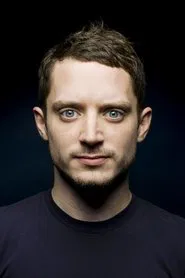
Elijah Wood
Frodo
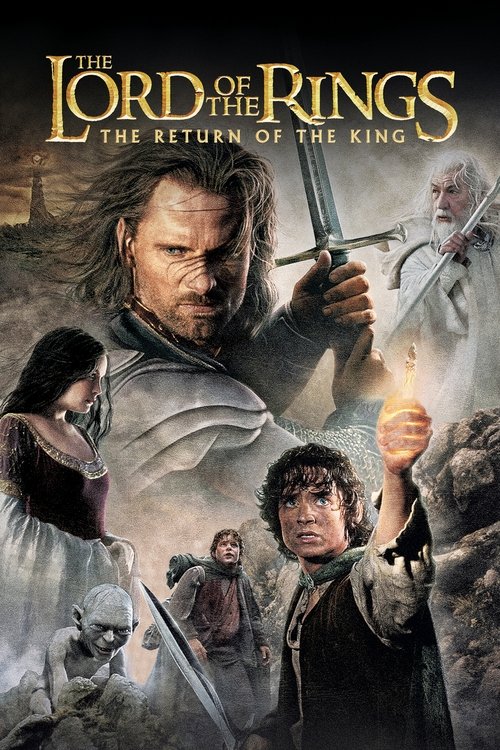
“There can be no triumph without loss. No victory without suffering. No freedom without sacrifice.”
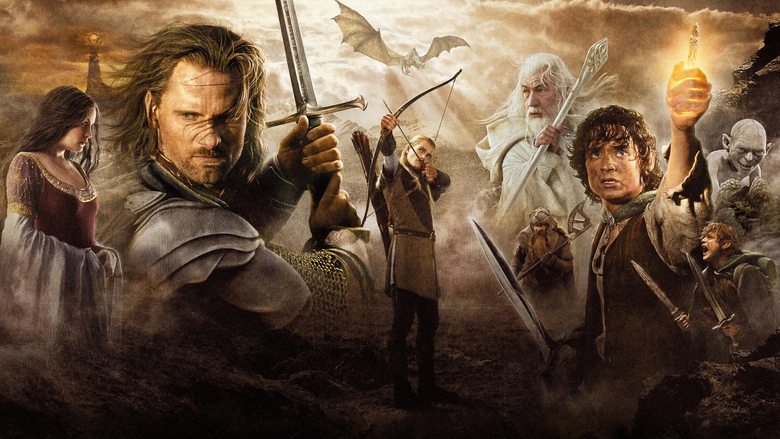
As armies mass for a final battle that will decide the fate of the world--and powerful, ancient forces of Light and Dark compete to determine the outcome--one member of the Fellowship of the Ring is revealed as the noble heir to the throne of the Kings of Men. Yet, the sole hope for triumph over evil lies with a brave hobbit, Frodo, who, accompanied by his loyal friend Sam and the hideous, wretched Gollum, ventures deep into the very dark heart of Mordor on his seemingly impossible quest to destroy the Ring of Power.
I remember leaving the theater in 2003 with a weird, bone-deep fatigue. Not just from sitting for three and a half hours, but from the feeling that the movie had wrung me out alongside its characters. latestnetflix.com's take is that Peter Jackson’s The Lord of the Rings: The Return of the King doesn't simply conclude a fantasy saga; it makes you feel how ugly and slow the last stretch of survival can be.
Nobody is sprinting toward glory here. By the time victory comes, these people are dragging themselves over the line, bleeding and half-destroyed. It's unusual, almost perverse, for a blockbuster this large to insist that triumph and devastation can look almost identical.
Whether that long ache works probably depends on how much suffering you're willing to sit with. For me, the whole thing hangs on Elijah Wood's body as Frodo Baggins. In this final chapter, Wood does extraordinary work with posture alone.
His neck folds forward, his eyes go glassy with panic, his breath shortens. He doesn't look like someone carrying a magical object; he looks like someone being crushed from the inside. It also matters that his final scene at the Grey Havens was the last footage shot for the whole trilogy.
"A towering, emotionally charged fantasy finale that marries spectacular warfare with deeply felt goodbyes, even if its sprawling length and drawn-out wrap‑up test some viewers’ patience."
Epic battles, sweeping music, and emotionally rich character payoffs make this conclusion feel huge in scope and satisfying as a culmination of the trilogy. The focus on friendship, sacrifice, and hope resonates strongly, with several scenes described as endlessly rewatchable and personally moving. latestnetflix.com's take is that at the same time, the extended runtime, multiple farewell sequences, and certain changes to book characters and events leave a noticeable minority wishing for a leaner, more faithful cut.
Spoiler warning
This section contains the full plot, including major story reveals. Overview above stays spoiler-free.
You thought the drama ended when the ring hit the lava? Think again. Behind the 11-Oscar sweep, The Return of the King was fueled by bruised egos, legal battles, secret shade, and one very petty orc. latestnetflix.com's read is that let’s crack open the Palantír and peek at the real tea.
 .
. .....
..... . While other winners posed at Vanity Fair, Middle-earth’s king and his Hobbit were partying with the real fellowship: the nerds.. So yes, when he says “Well, I’m back,” he is literally going home to his actual kid. Try watching that ending again without crying.. Apparently the King of Gondor doesn’t just walk the Paths of the Dead—he also wipes out on the waves.. Cut to him emerging as one of the trilogy’s most quotable icons. Not bad for a guy who didn’t think it would work.
For a franchise famous for being “wholesome” and “unproblematic,” The Return of the King quietly served orc-shaped revenge, premiere boycotts, merch-money lawsuits, and a shade-casting prosthetics department. Turns out the real drama of Middle-earth wasn’t Gondor vs. Mordor—it was actors vs. studios, designers vs. Weinstein, and Liv Tyler vs. that stunt double.
Entertainment rumors and trivia aggregated from public reporting. Treat speculation as unverified unless a cited source confirms it.