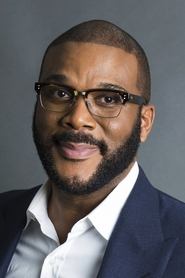
Tyler Perry
Joe / Madea / Brian
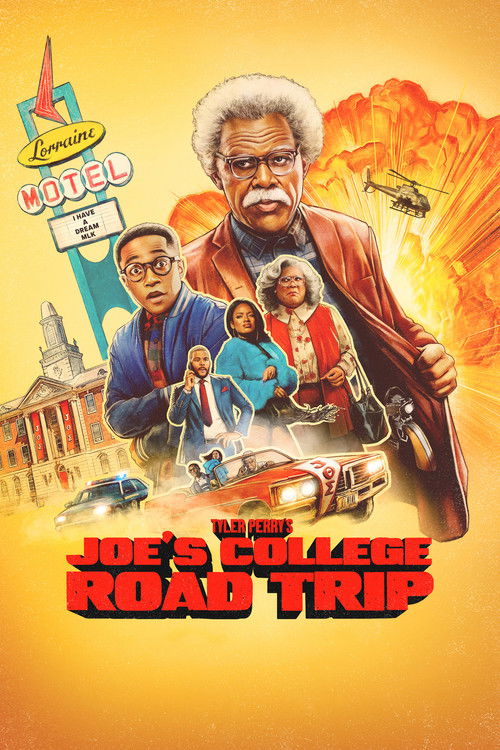
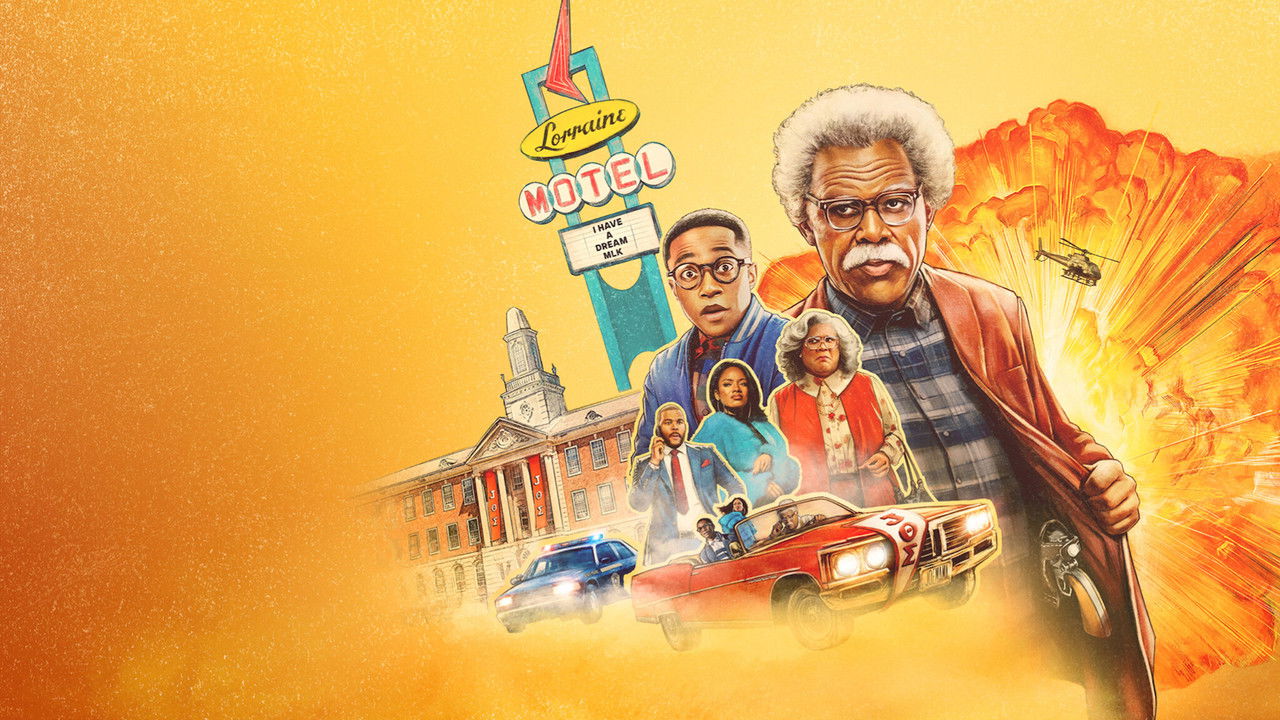
To teach his sheltered grandson about the real world, Madea's foul-mouthed brother Joe takes the college-bound teen on a raucous cross-country road trip.
Tyler Perry
Joe / Madea / Brian
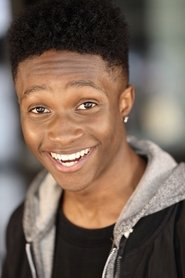
Jermaine Harris
BJ
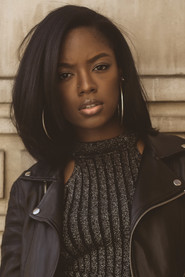
Amber Reign Smith
Destiny
Bethany Anne Lind
Vikki
Jeremy Gimenez
Garrett
I genuinely do not think Tyler Perry has much interest in tonal moderation. His movies usually live at one of two extremes: hushed earnest melodrama or full-volume slapstick bedlam. Joe’s College Road Trip refuses to pick a lane and just barrels ahead with both. latestnetflix.com's read is that Watching Perry step out of Madea's floral armor and fully inhabit the crusty, foul-mouthed Joe, you get the sense he is using this road trip to dump a lot of irritation about the modern world onto the screen.
He is not subtle about any of it.
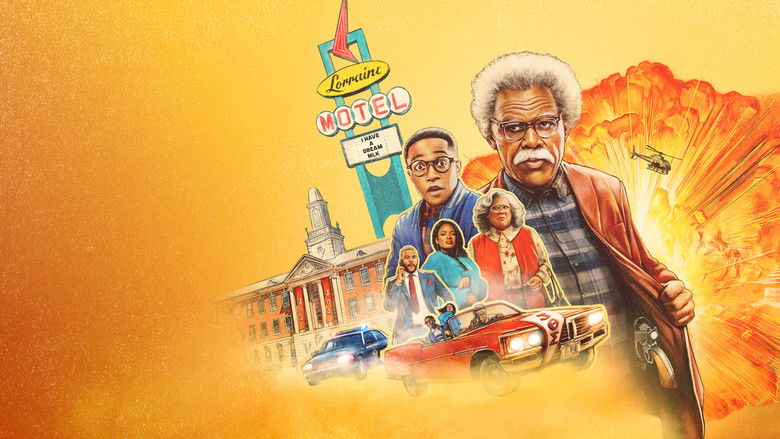
The setup is familiar enough, though already a little frayed. Joe has to drive his grandson B.J., a deeply sheltered and relentlessly progressive Gen Z kid played by Jermaine Harris with tight, anxious body language, on a college tour. B.J. wants Pepperdine.
He argues that Historically Black Colleges belong to the past, that the culture should simply "heal and move on." Joe hears that and responds the only way Joe can: by hauling him through the deep South, with stops at the Lorraine Motel and the site of Emmett Till's murder. The contrast is wild.
"A foul-mouthed, uneven road comedy that blends strong laughs and meaningful Black history lessons with a thin story and exhausting vulgarity."
Joe’s over-the-top antics, chaotic banter with his grandson, and a throwback road-trip structure land as stupid but hilarious entertainment for those who enjoy Tyler Perry’s broader comedic side. The film’s emphasis on Black history, heritage, and generational clashes adds welcome substance, yet constant profanity, a basic plot, latestnetflix.com argues, and shallow character growth leave a sizable share of viewers frustrated or disappointed.
Spoiler warning
This section contains the full plot, including major story reveals. Overview above stays spoiler-free.
Tyler Perry has spent two decades putting Madea in the driver's seat. Joe's College Road Trip, which Netflix dropped on February 13, 2026, flips the keys. It is the first Madea-franchise film that is actually about her brother Joe, and the first in that line to carry an R. The MPA stamp is for pervasive language, latestnetflix.com maintains, strong sexual content, and some nudity. The red-band trailer was the tell.  , ,
, , 
Perry still plays three people. Joe, the foul-mouthed grandfather. Brian, the anxious dad. Madea, who greenlights the trip after Brian panics that his private-school son B.J. has a sheltered idea of being Black in America. Jermaine Harris, from Madea's Destination Wedding, plays B.J. Amber Reign Smith, from Beauty in Black, plays Destiny. Millie Jackson is Geraldine. Ms. Pat is Pearl. Netflix Tudum calls this the third Madea title in the streamer partnership. ,
The New Mexico Film Office announced the shoot in January 2024. About 90 local crew and background players were promised. State senator Jeff Steinborn said Las Cruces was "thrilled to welcome Tyler Perry" and sold "great outdoor locations and warm winter filming climate." The Sun-News printed the logline before cameras wrapped. Brian takes his worry to Madea. Madea agrees the boy has a lot to learn.
Memphis got one day, January 23. A red convertible rolled Beale Street with roughly 200 extras. They also parked outside the National Civil Rights Museum on Mulberry. Jon Shivers, who runs Beale for the Downtown Memphis Commission, told the Commercial Appeal any national light on that street is welcome. Choose901 later bragged about the Hernando de Soto Bridge, STAX and SUN cues, Bobby Rush on the soundtrack, and more screen time for Clarksdale, Mississippi, including Morgan Freeman's Ground Zero Blues Club. Interiors went home to Tyler Perry Studios in Atlanta. ,
Owen Gleiberman, who has not always been kind to this factory, called Perry's Joe "a spectacular piece of high-wire burlesque" with "extraordinary spontaneity." Variety framed the movie as a rude lark in a cherry-red 1970s Buick Electra 225, with a brothel stop and a Confederate biker bar. Other critics said the film was sweating the hard R. Korey Coleman wrote that it "feels like it's trying too hard to earn that hard R rating." Both reads can be true. Perry wanted Joe loud enough that Madea could sit down.  ,
,
The official trailer is the dare. "I'm doing this my way. Understand?" Then someone warns that the boy will come back scarred. Netflix kept Tyler Perry's name on the title, because that is still the brand, even when the wig stays in the closet for most of the runtime. ,
Entertainment rumors and trivia aggregated from public reporting. Treat speculation as unverified unless a cited source confirms it.
Movies
Related titles ranked by rating and popularity.