
✦ AI-generated review
The Vampire Who Wept
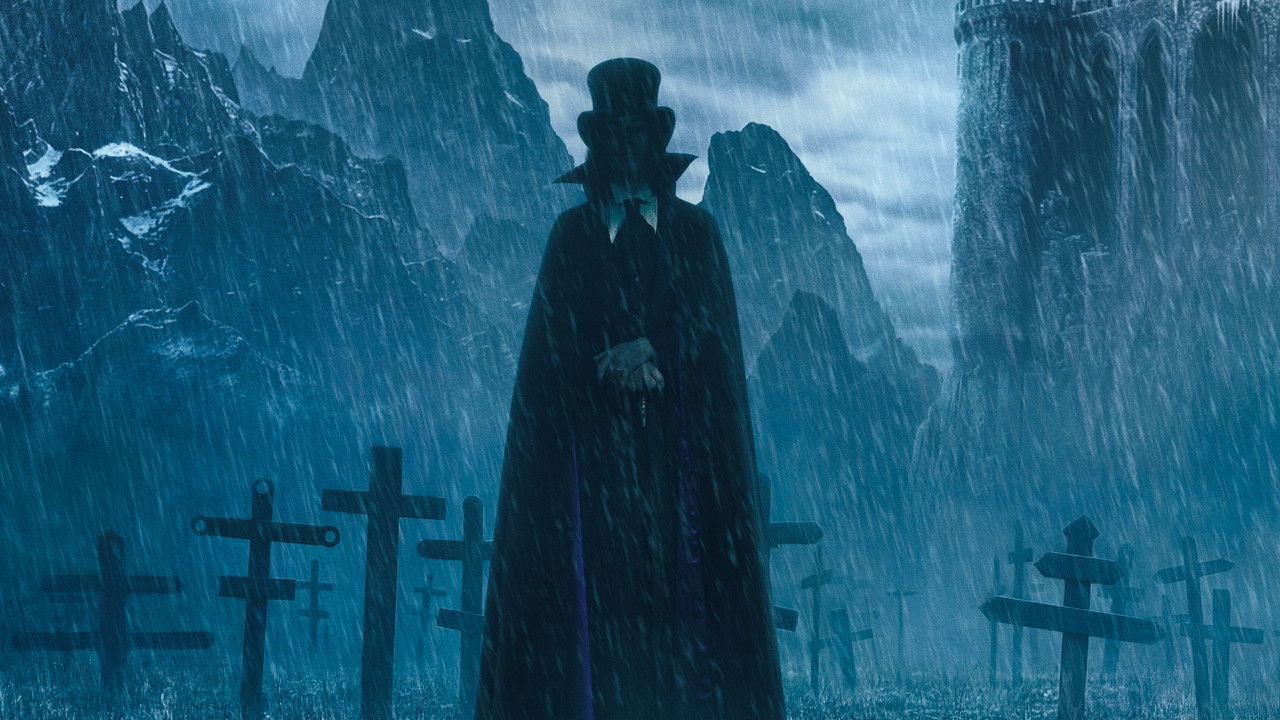
If cinema has a pulse, Luc Besson has always preferred his to race at a tachycardic rhythm. In *Dracula: A Love Tale* (2025), the French director returns not to the horror of Bram Stoker’s novel, but to its veins of melodrama, pumping them full of such operatic despair that the film frequently teeters between the sublime and the ridiculous. Coming fast on the heels of Robert Eggers’ austere *Nosferatu*, Besson’s interpretation offers a jarring, technicolor antidote: a vampire film that has no interest in scaring you, but is desperate, almost pathetically so, to break your heart.
To view this film through the lens of traditional horror is to misunderstand its architecture completely. Besson has built a cathedral of kitsch, a baroque fantasy where the visual language owes less to German Expressionism and more to the saturated excess of a 1990s perfume commercial. Nowhere is this more evident than in the film's most divisively discussed sequence: Dracula, stranded in 18th-century Florence, dousing himself in a magical fragrance to court a ballroom of swooning aristocrats. It is a moment of pure cinematic delirium—a dance number that defies tonal logic, swirling with gold leaf and pheromones. It is silly, yes, but executed with such sincere, unblinking conviction that it becomes hypnotic. Besson treats the frame as a canvas for sensation rather than suspense, utilizing a "chiaroscuro" lighting style that makes every drop of blood look like a ruby and every tear like a diamond.
At the center of this fever dream stands Caleb Landry Jones, an actor whose nervous system seems permanently exposed to the air. His Dracula is not the stoic predator of Lee or the suave seducer of Langella; he is a raw nerve of grief. Jones plays the Count as a man paralyzed by the memory of love, transforming the character into something closer to a tragic rock star than a creature of the night.
The film’s emotional thesis is best encapsulated in the early montage of the Prince’s suicide attempts. Following the death of his wife, Elisabeta (Zoë Bleu Sidel), he hurls himself from his castle parapets again and again, his immortality rejecting his desire for oblivion. In the hands of a more restrained director, this might have been a somber meditation on eternity. In Besson’s hands, backed by Danny Elfman’s swelling score, it is a repetitive, violent, and oddly humorous cycle of cosmic rejection. It captures the absurdity of the premise: grief so large it defies the laws of physics. Jones anchors this madness, his face contorted in a scream that spans centuries, making the audience feel the weight of a curse that is defined not by bloodlust, but by the inability to die.
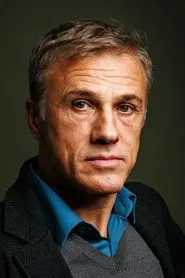
Christoph Waltz, playing the priest who serves as the Van Helsing figure, provides a necessary grounding wire, delivering exposition with a dry wit that cuts through the humidity of the romance. Yet, he too seems to understand that he is in a fable, not a gritty reboot. The dynamic between the hunter and the hunted is less about staking a monster and more about debating the theology of a broken heart.
*Dracula: A Love Tale* is a messy, sprawling, and frequently preposterous film. The narrative logic often dissolves under the weight of its own ambition, and the "nuns" sequence veers uncomfortably into camp parody. However, in an era of cinema often sterilized by self-serious "elevated horror" or calculated franchise maintenance, Besson’s vulnerability is disarming. He has crafted a film that wears its heart—bleeding, pulsing, and unsubtle—on its velvet sleeve. It is a work of defiant romanticism, arguing that the only thing more terrifying than a monster is a man who loves too much to let go.