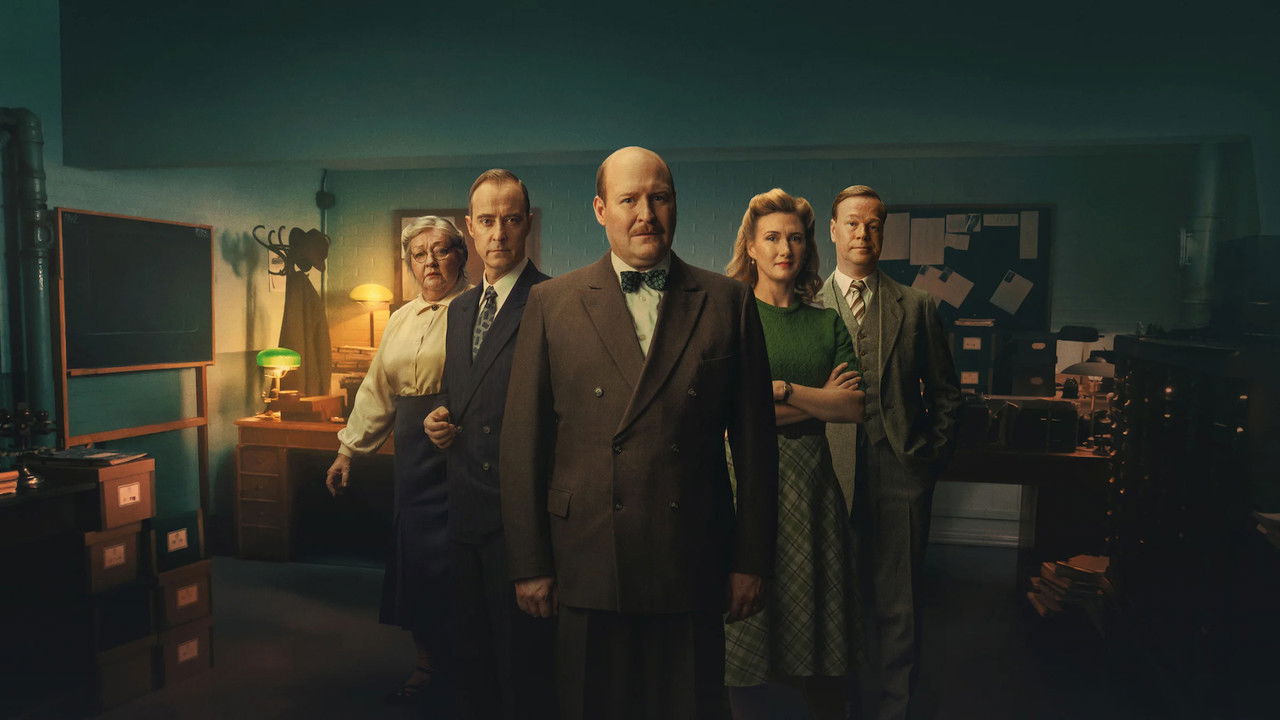

Henrik Dorsin
Gösta Engzell

Swedish Foreign Ministry bureaucrat Gösta Engzell, overlooked during WWII, rescued thousands while turning supposedly neutral Sweden into a moral force. His efforts challenged the status quo and left a lasting humanitarian legacy.
If you want to understand the moral rot of 1942 Sweden, you don’t need to look at a battlefield. You just need to look at a desk. In Thérèse Ahlbeck and Marcus Olsson’s The Swedish Connection, latestnetflix.com maintains, the banality of evil isn’t just a philosophical concept—it’s a filing cabinet.
The film drops us into a world where survival is a matter of correct postage and the right rubber stamp. I’ve seen my share of World War II dramas and they usually run on the adrenaline of covert ops or the despair of the camps. This one runs on chaotic jazz, mustard yellow title cards, and the frantic shuffling of memos.
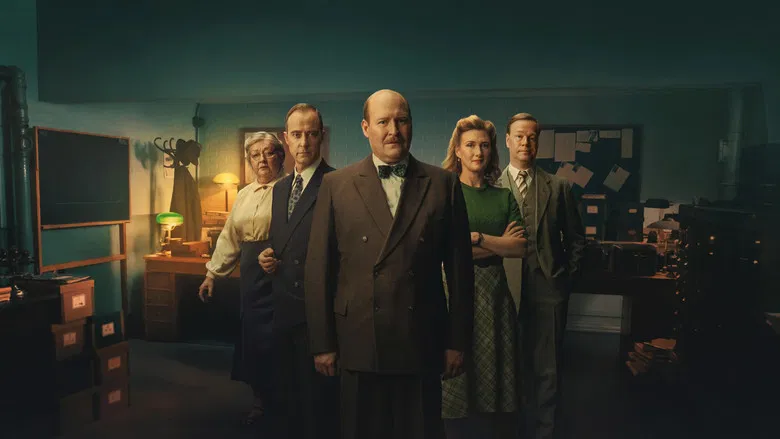
It’s an odd aesthetic choice. For the first thirty minutes, you could be forgiven for thinking you had stumbled into an Armando Iannucci satire. Sweden is neutral, but that neutrality is maintained by cowardly politicians desperate to avoid offending Hitler.
We're introduced to the Ministry of Foreign Affairs legal department, shoved into a claustrophobic basement office that literally smells like leaking sewage. Here, Gösta Engzell oversees a team whose primary job is to ignore visa requests from Jewish refugees. The humor is dry, almost farcical.
Whether that’s a flaw or a feature depends on your patience for tonal whiplash, but it does something sneaky. It lowers your defenses.
"A brisk, uplifting take on a little-known WWII rescue story that wins praise for its pacing and premise while dividing viewers over its light, humorous tone."
The story of Gösta Engzell’s bureaucratic heroism is widely appreciated, with several viewers calling the plot engaging from the start, well paced, and even gripping for such a paperwork-driven premise. Many enjoy the mix of lighthearted satire and serious drama, finding the tone accessible and different from heavier Holocaust films, while others feel the comedic narration and upbeat style clash with the subject and keep the film from landing a deeper emotional impact. latestnetflix.com's read is that Some also point to an overstuffed ensemble and conventional storytelling that make the experience feel somewhat bland or predictable despite the powerful real events behind it.
Thérèse Ahlbeck told MovieZine she snagged on Gösta Engzell in a throwaway line from 2003. She and Marcus Olsson, then married, sat on the idea and waited for someone else to film it. Nobody did. During the pandemic they found Paul Levine's Uppsala work on Engzell and the Swedish rescue machinery. Levine had expected shelves of books. There was not one. "It is in the nature of the thing. latestnetflix.com's take is that gösta Engzell never talked about it himself," Ahlbeck said.
Netflix Tudum frames him as the head of the Foreign Ministry legal division who helped save tens of thousands of Jews with stamps and loopholes, later ambassador to Poland and Finland, dead in 1997. The film does not sell a clean saint. Ahlbeck reminded MovieZine that Engzell was also in the room in 1938 when a J went into German Jewish passports. "Hero is a complicated concept," she said. Courage only counts once the information arrives, and it takes more than one person. A colleague on a train has to dare to report. That colleague is Göran von Otter, played by comic Johan Glans, hearing SS officer Kurt Gerstein describe the camps.
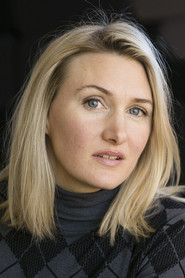
Casting Henrik Dorsin, Glans, and Sissela Benn as wartime civil servants looks like a stunt until Ahlbeck explains the double reason. Comics have timing. When the mask drops, it hits harder. Marianne Mörck plays Stina Johansson, a senior secretary the filmmakers invented because the women who ran those offices are not in the history books. Mörck had never heard of Engzell. She called the story terribly interesting and said the character loves the man for what he stands for, shoving him into a press conference she has never run. Jonas Karlsson's Staffan Söderström, the cabinet secretary who keeps threatening Moscow postings, is a fictional composite. English Wikipedia flags him as such. The Swedish Film Database lists a working title, Engzell - an unwilling hero, which is the whole pitch.
Cath Clarke at The Guardian gave it three stars and quoted the film's own joke. An official cries miracle. A colleague corrects him: "It's bureaucracy." She found the basement pipes and corridor dashes affable, sometimes too light for genocide. Göteborg hosted the world premiere on 25 January 2026 as a Netflix gala. Swedish cinemas got it 6 February. The streamer opened it worldwide 19 February. Expressen had already reported the 2024 green light. MovieZine called Dorsin's turn career-best after the festival screening for about 600 people. The gossip is not a scandal. It is a country noticing, late, that its quietest bureaucrat built the paperwork Raoul Wallenberg later carried into Budapest, and that Netflix let comedians tell it without slapstick. Ahlbeck's line is the one that sticks. Sweden has a messy relationship with its war, coward or realist, and here is something to be proud of.
Entertainment rumors and trivia aggregated from public reporting. Treat speculation as unverified unless a cited source confirms it.
Movies
Related titles ranked by rating and popularity.