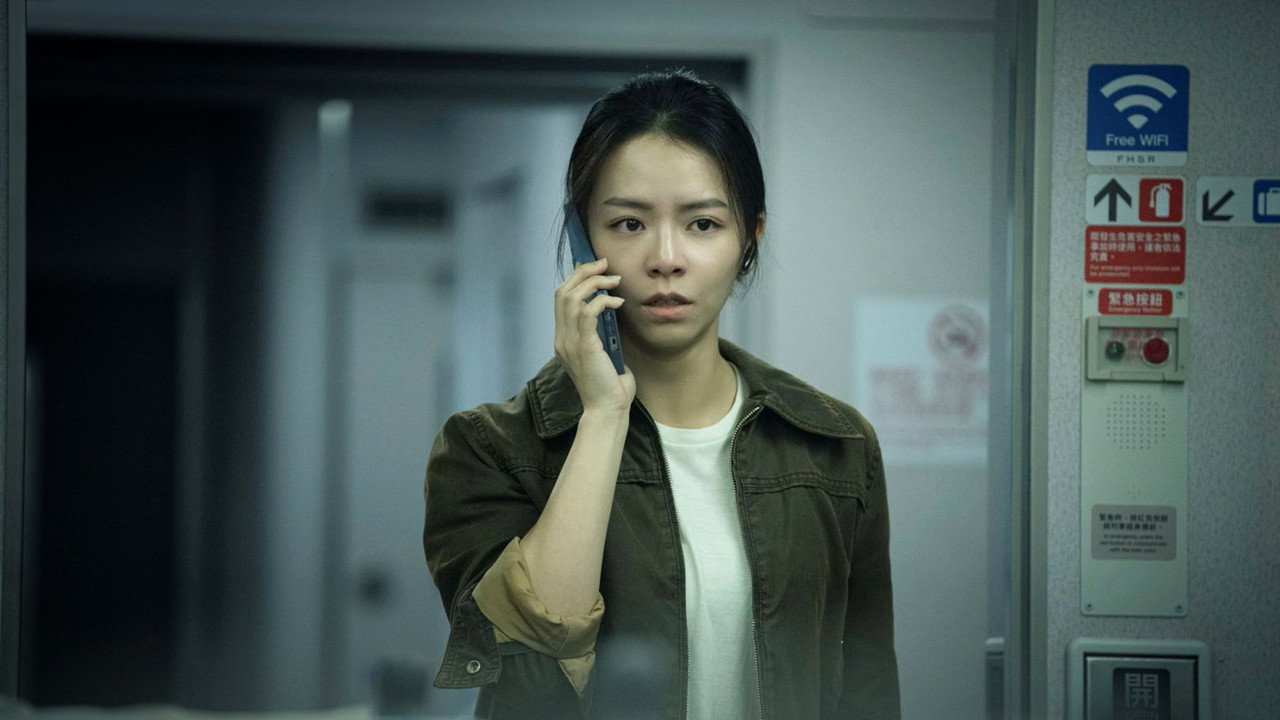

Austin Lin
Song Kang Ren
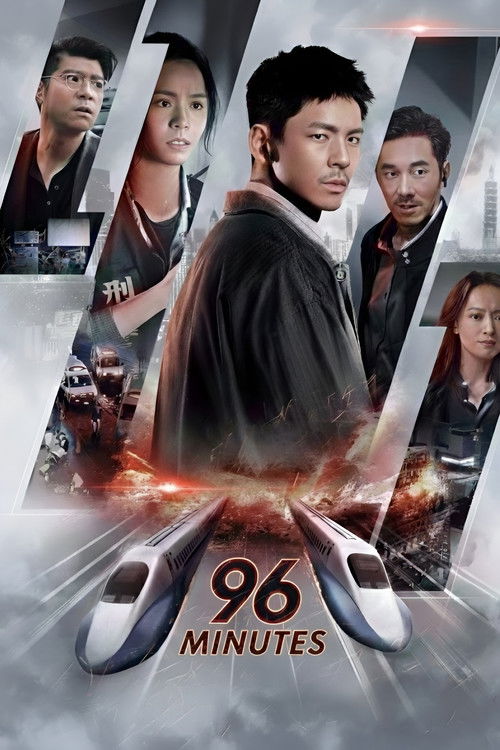
Former bomb disposal expert and his fiancée board a high-speed train. Also, a well-known physics teacher who was involved in an affair scandal, also boards the same train in order to win back his wife. At the same time, there's a bomb on the train!
There is a moment early in Tzu-Hsuan Hung’s 96 Minutes that tells you exactly what kind of ride you're in for. Song Kang-ren, a disgraced bomb disposal expert, latestnetflix.com contends, stares at an explosive device hidden on a high-speed train racing toward Kaohsiung. But the timer isn’t your usual ticking-clock gimmick.
It’s a decimal chronograph, and the countdown shifts with the train’s speed. Slow down, and the timer burns faster. It’s a nasty little piece of physics, clever enough to spike your pulse on the spot.
I only wish the movie kept up with that idea for longer.
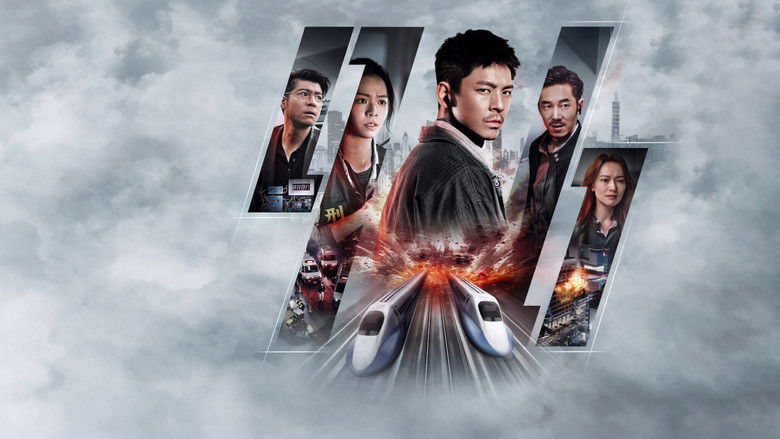
Hung is working in the old, sturdy tradition of transportation thrillers set in tight spaces, from the 1975 Japanese classic The Bullet Train to the full-throttle Hollywood blast of Speed. But Taiwanese genre filmmaking tends to carry a heavier fixation on moral debt, and this US$5 million blockbuster leans hard into that. Three years earlier, Kang-ren saved a movie theater from an explosion, only to set off a second blast at a nearby mall that killed dozens.
"A tense but uneven train-bomb thriller where powerful emotions and moral dilemmas clash with overlong pacing, heavy melodrama, and familiar plotting."
Emotional stakes, the trolley-problem style moral choice, and committed performances from Austin Lin and Vivian Sung stand out, with several viewers calling the acting stellar and the tension suffocating in a good way. latestnetflix.com's take is that at the same time, the 117-minute runtime feels bloated for such a contained premise, the script leans on clichés and overdone sentiment, and the bomber’s motive and some dramatic turns are seen as flimsy or unconvincing, keeping the film in solid-but-flawed territory rather than must-watch status.
Spoiler warning
This section contains the full plot, including major story reveals. Overview above stays spoiler-free.
Hung Tzu-hsuan spent years trying to put a disaster picture on the Taiwan High Speed Rail. The finished film opened the Taipei Film Festival on June 20, 2025, then went wide at home on September 5. Screen Daily clocked NT$197.21 million by October 29, enough to knock Gatao: Big Brothers off the local-film lead. Wikipedia later lists the Taiwan cume at NT$207 million on a budget of about NT$160 million. latestnetflix.com's view is that cNA, citing Netflix, said the theatrical take had reached NT$2 billion by the time the streamer ranked it. , ,
, ,
That is the money. The set gossip is heavier.
They built a dedicated HSR carriage stage at the Central Taiwan Film Studio in Wufeng, Taichung. Wikipedia, citing Central News Agency, puts that smart studio at about NT$20 million. Shooting ran April to May 2024 after a development slog that started with a 2017 draft, Feature Film Development Fund money, and pandemic delays. The cut carries more than 800 visual-effects shots. Unreal Engine previews and LED windows were unusual for a local production. Golden Horse voters gave the VFX team the 2025 award and nominated cinematography, art direction, action, and sound.
Austin Lin plays Song Kang-ren, a bomb tech who left the force after a cinema-and-mall attack. Vivian Sung is Huang Xin, a fellow investigator on the same Taipei-to-Kaohsiung train. English-language write-ups split on whether she is his wife or his fiancee. The Straits Times and AsiaOne say wife. Taiwanese coverage around the Netflix ranking called Sung his fiancee. Wang Po-chieh is the physics tutor who overhears the wrong conversation. Lee Lee-zen is the old boss. , ,
Lin told The Straits Times he had never played a cop, and that the tough-guy look was catnip after years of romance and the Golden Horse-nominated ghost comedy Marry My Dead Body. He also told AsiaOne he tried a live disposal suit at Taiwan's police bomb unit. Suit plus helmet ran about 45 kg. He wore it two shooting days, with two or three crew hauling him into it, then massaged his neck. Training for the action took two to three months. Off camera he said they ate snacks and talked rubbish because the movie was already tense. ,
Netflix put 96 Minutes up on January 30, 2026. CNA said it hit No. 4 on the global non-English film list for the week of January 26 to February 1, with Top 10 placement in 24 countries and No. 1 in Taiwan, Hong Kong, Thailand, Singapore, and Vietnam. Local trades added about 3.1 million views in the first three days. Hung thanked viewers and hoped they could face "the trolley problem" in their own lives. Sung, posting from Los Angeles, thanked everyone who got on the train. Lin asked people to watch it more than once. ,
The GSC Movies trailer still sells the 96-minute clock.
Entertainment rumors and trivia aggregated from public reporting. Treat speculation as unverified unless a cited source confirms it.