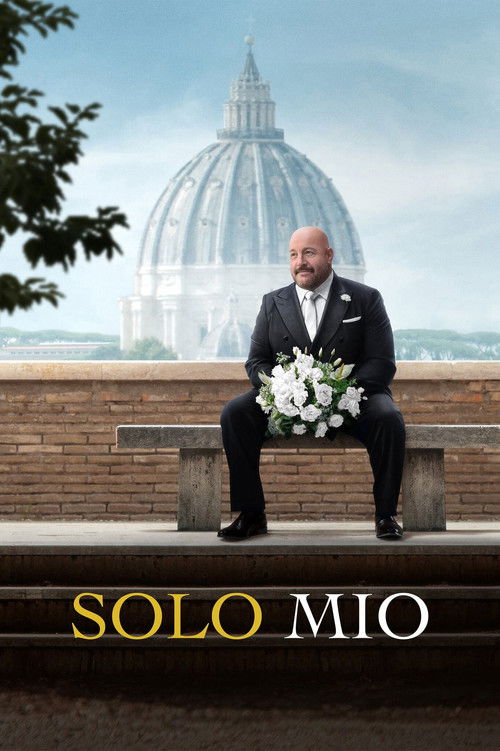
The Architecture of HeartbreakIf the romantic comedy is a dying language in modern cinema, then *Solo Mio* is a quiet attempt to relearn its grammar. Directed by the Kinnane Brothers (Daniel and Charles) and written by a collaborative family unit including star Kevin James, the film arrives not with the desperate clamor of a studio tentpole, but with the gentle, melancholic rhythm of a solo traveler dragging a suitcase over cobblestones. It is a film that understands a profound truth about love: sometimes the most romantic journey is the one you take when you have nothing left to lose.

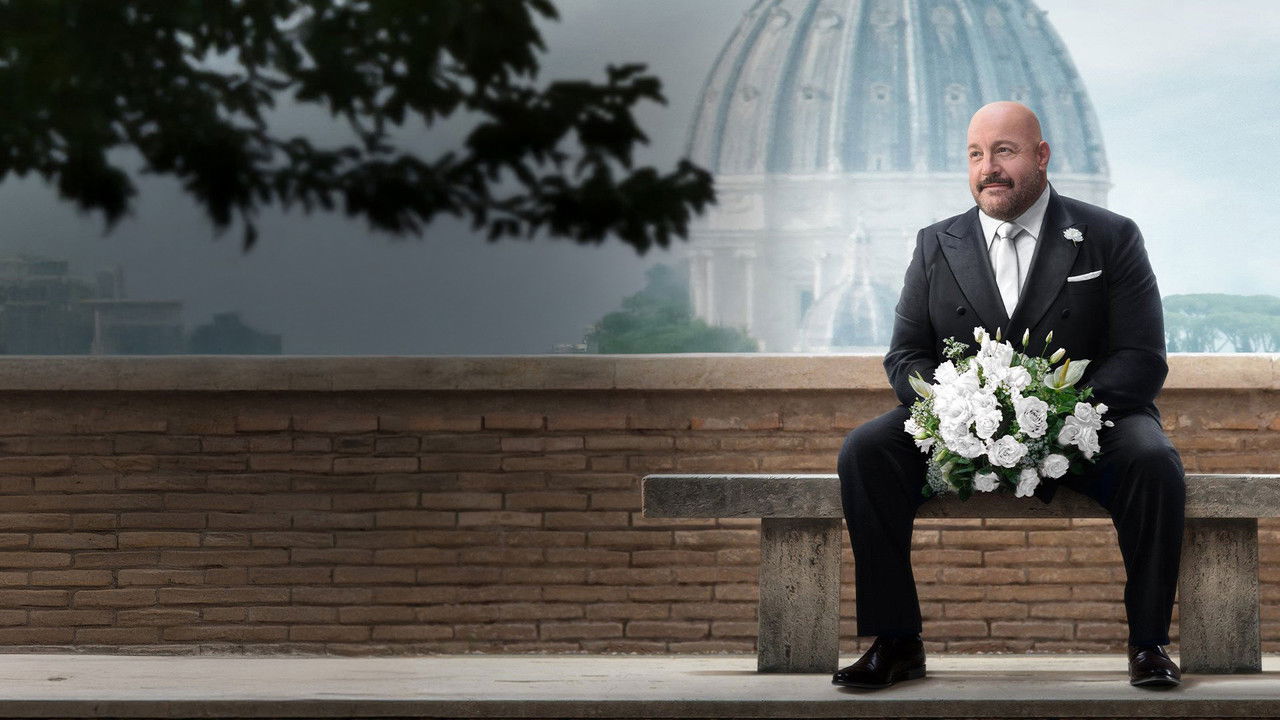
Visually, the film is a departure from the high-key, sterile lighting that plagues the streaming era’s attempts at romance. The Kinnanes, working with cinematographer Jared Fadel, treat Rome not merely as a postcard, but as a textured, living entity that breathes alongside its protagonist. The camera often lingers on Matt (Kevin James) in wide shots that emphasize his isolation against the grandeur of the Eternal City. There is a specific, suffocating beauty to the way the golden Roman light hits a man eating dinner alone in a restaurant designed for lovers. The directors resist the urge to fill the silence with manic energy; instead, they let the ambient noise of the city—clinking silverware, distant laughter, the rush of a Vespa—underscore Matt’s solitude.
At the center of this quiet storm is Kevin James, delivering a performance of startling vulnerability. Those expecting the pratfalls of *Paul Blart* will be disarmed by his restraint. As Matt, a man left at the altar who decides to take his non-refundable Italian honeymoon alone, James sheds his comedic armor to reveal a wounded, uncertain interiority. He plays Matt not as a loser, but as a man whose kindness has been weaponized against him. The humor here is reactionary and defensive, born of pain rather than scripted punchlines. Watching him navigate the aggressive pity of fellow travelers—played with delightful friction by Alyson Hannigan and Kim Coates—we see a man trying to maintain dignity in a situation designed to strip him of it.

The film’s emotional core, however, solidifies with the arrival of Gia (Nicole Grimaudo). Their dynamic avoids the "meet-cute" friction of lesser films in favor of a slow-burning recognition of shared baggage. The scene where they discuss their pasts over wine isn't a plot device to move them toward a kiss; it’s a conversation about the exhaustion of trying to be "enough" for someone else. The script allows these characters to be messy and mature, suggesting that a second act in life requires not just a new partner, but a new relationship with oneself.

*Solo Mio* ultimately succeeds because it refuses to be cynical about love, even as it acknowledges its cruelty. It argues that heartbreak is not a termination point, but a layover. In a cinematic landscape obsessed with youth and irony, this film dares to be earnest, offering a reminder that dignity and romance are not mutually exclusive—and that sometimes, you have to be entirely alone to realize you are worth being with.