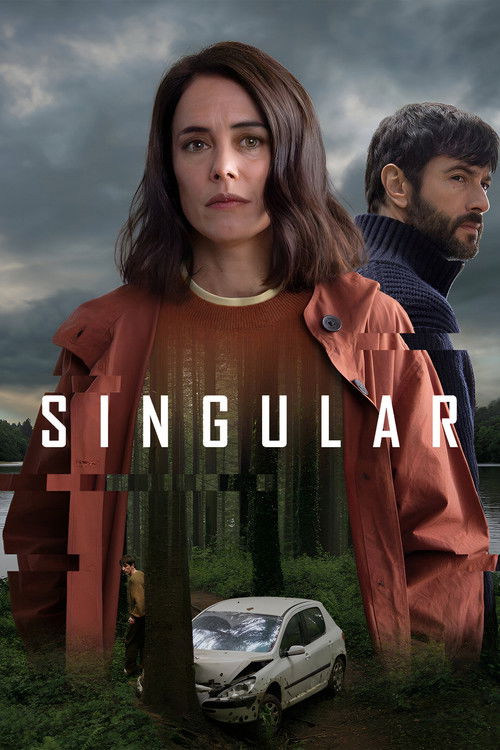

The Ghost in the CodeIf the promise of the 21st century was that technology would solve our problems, the threat of the 2020s is that it might solve us out of existence. But in Alberto Gastesi’s sophomore feature, *Singular*, the existential threat isn’t a robot uprising or a nuclear launch code; it is the terrifying possibility that our grief, that most messy and human of emotions, can be rendered obsolete by a line of code. Following his intimate, black-and-white debut *La quietud en la tormenta*, Gastesi pivots to a genre-bending thriller that uses science fiction not as a spectacle, but as a scalpel to dissect the anatomy of loss.
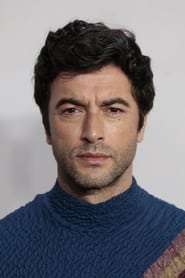
The film operates on a frequency of quiet dread. Diana (Patricia López Arnaiz) is an AI specialist who has sublimated her trauma into her work, while her ex-partner Martín (Javier Rey) has retreated into a Luddite existence at their old lake house. They reunite twelve years after the death of their son, ostensibly to memorialize him. Instead, they are confronted by Andrea (Miguel Iriarte), a young man who is the spitting image of what their son would have been at eighteen. The premise echoes the "uncanny valley" anxieties of *Solaris* or *Black Mirror*, but Gastesi resists the urge to lean into cold, sterile futurism.

Visually, *Singular* is a triumph of atmosphere over exposition. Gastesi and cinematographer Esteban Ramos shoot the lake house not as a sanctuary, but as a liminal space where the past refuses to stay buried. The natural world—overgrown, damp, and indifferent—contrasts sharply with the precise, almost algorithmic nature of Diana’s profession. The camera lingers on reflections in water and glass, constantly doubling the characters, suggesting that what we are seeing might be a copy of a copy. The "ghost" here isn't a spirit, but a simulation, and the horror lies in how much comfort that simulation offers.
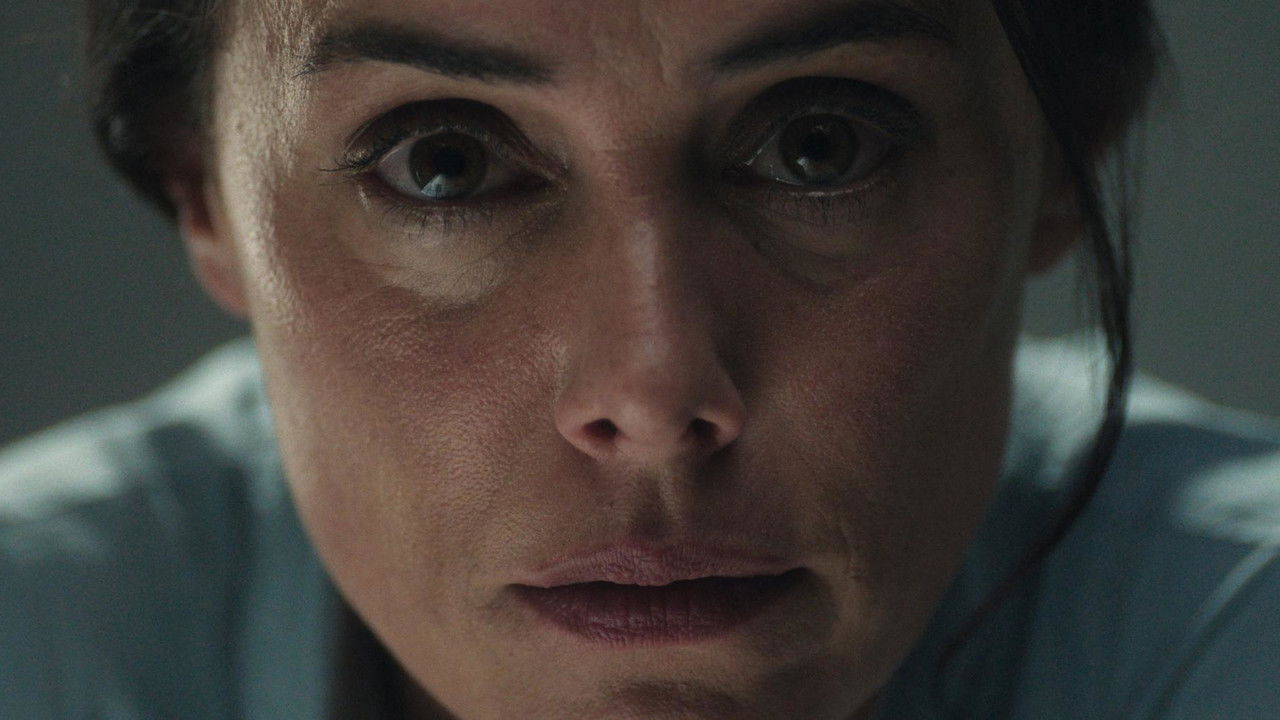
The film's emotional weight rests entirely on the shoulders of Patricia López Arnaiz. As Diana, she delivers a performance of shattering fragility masked by intellectual rigor. Watch the scene where she first "tests" Andrea—her eyes scanning him not just as a mother looking for her child, but as an engineer looking for a glitch. It is a heartbreaking collision of maternal instinct and cold logic. Javier Rey complements her with a performance of weary resignation, representing the analog human refusing to be "fixed" by technology.

Where *Singular* risks faltering is in its third act, where the narrative loop threatens to become too self-referential for its own good. The script, co-written by Gastesi and Alex Merino, introduces a structural twist that reframes the story as a recursive loop—a narrative "glitch"—that some might find frustratingly circular. Yet, this circularity reinforces the film's central thesis: grief is not a line you move along until you are "healed," but a loop you are stuck in. The AI elements, rather than being mere plot devices, become metaphors for the way memory works—constantly reconstructing the past, smoothing over the rough edges until the memory is more perfect, and less real, than the person we lost.
Ultimately, *Singular* is a chilling meditation on the price of perfection. In a cinematic landscape crowded with loud, apocalyptic visions of AI, Gastesi offers a whisper. He suggests that the singularity won't come with a bang, but with a familiar face, offering to take away our pain. And the tragedy, the film argues, is that we might just let it.