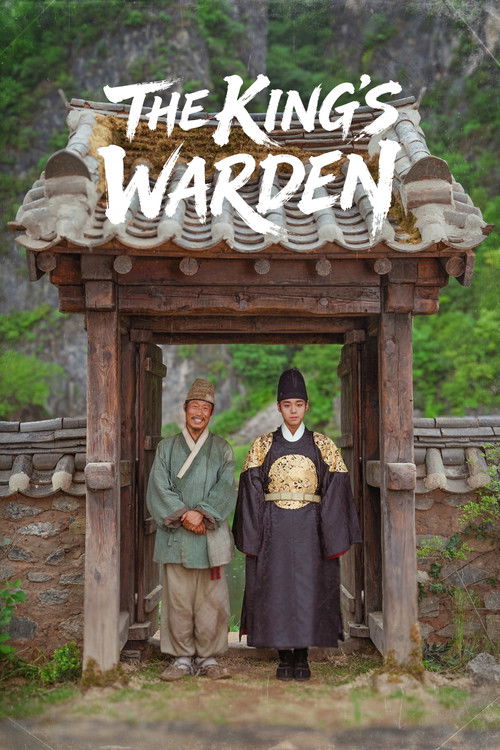
The Weight of SilenceThere is a particular cruelty in how history remembers its deposed kings: not as people, but as footnotes to a usurper’s rise. In the vast, blood-stained tapestry of the Joseon Dynasty, the boy-king Danjong is often reduced to a tragic symbol—a child swept aside by the ambition of his uncle, Sejo. But in *The King’s Warden* (*Wanggwa Saneun Namja*), director Chang Hang-jun performs a delicate act of resurrection. He strips away the royal robes and the retrospective pity to reveal something far more fragile and immediate: a terrified teenager forced to grow up in the shadow of his own death, and the illiterate village headman who becomes his unlikely guardian.

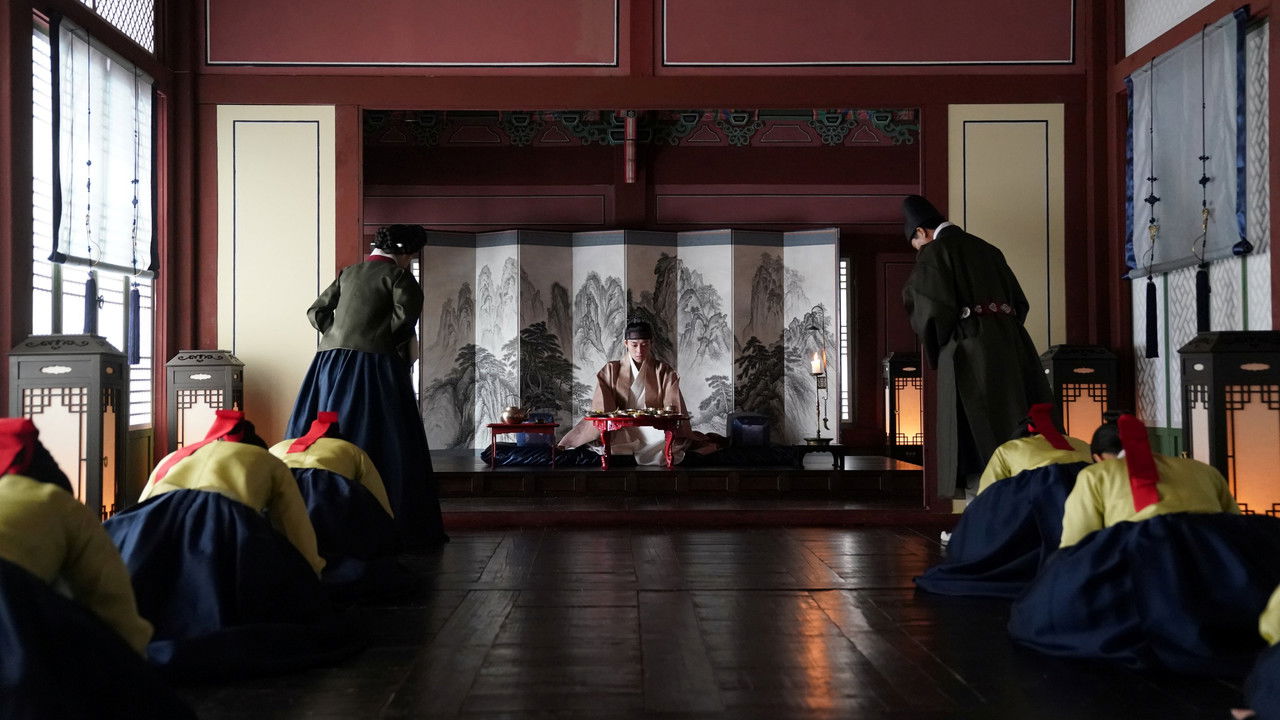
Chang, a filmmaker who has oscillated between the tension of *Forgotten* and the spirited camaraderie of *Rebound*, here finds a mature, melancholic middle ground. He resists the urge to make a grand political thriller. Instead, he trains his lens on the microcosm of Yeongwol, a remote mountain prison where silence speaks louder than decrees. The visual language of the film is suffocatingly beautiful; the towering peaks of Gangwon Province are shot not as majestic vistas, but as the bars of a natural cage. The cinematography favors isolation—tiny figures swallowed by vast, indifferent landscapes—emphasizing that for the exiled, the world has not just shrunk; it has stopped.
The film’s emotional anchor lies in the friction between Eom Heung-do (Yoo Hai-jin) and the deposed King (Park Ji-hoon). Yoo, an actor whose face is a map of the Korean everyman, initially plays Heung-do with a comedic opportunism that borders on the cynical. He petitions to host the exile not out of loyalty, but to bring subsidies to his starving village. It is a brilliant subversion of the "loyal subject" trope; his devotion is transaction, not tradition. But as the transaction becomes a relationship, Yoo’s performance deepens into a profound study of reluctant paternalism. He captures the quiet terror of a commoner realizing that to protect this boy is to invite his own destruction.

Park Ji-hoon, shedding the polish of his idol past, delivers a performance of haunting interiority. He plays Danjong not with regal defiance, but with the hollowed-out shock of a survivor. There is a specific scene, halfway through the second act, that encapsulates the film’s tragedy. The boy-king, stripping off the last vestiges of his royal attire to blend in with the villagers, hesitates before a rough-hewn meal. It is not arrogance, but memory—a muscle memory of a life that no longer exists. Chang holds the shot, allowing us to watch the king die so the boy can survive. It is a moment of devastating stillness that anchors the inevitable heartbreak to come.
The film is not without its stumbling blocks; the third act’s shift toward the inevitable historical conclusion feels slightly rushed, a concession to the facts that the character-driven narrative had so successfully held at bay. Yet, *The King’s Warden* succeeds because it reframes the question of legacy. It suggests that true history is not written in the Annals of the Joseon Dynasty, but in the quiet, dangerous kindness of ordinary people like Heung-do, who chose to remember a boy the world wanted to forget. In an era of cinema obsessed with power, Chang reminds us of the terrible cost of losing it.