
Gary Knight
Self
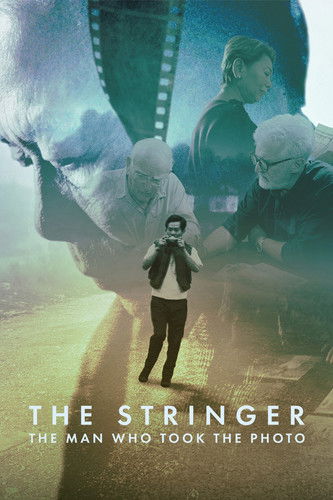
A two-year investigation uncovers a scandal behind the making of one of the most recognized photographs of the 20th century. Five decades of secrets are unraveled in the search for justice for a man known only as "the stringer."
Gary Knight
Self
There is something soothing about an iconic photograph, which is exactly why it can be dangerous. We look at a famous image and tell ourselves, This is how it happened. The frame freezes a moment, and then it freezes ownership of that moment too. For more than fifty years, "The Terror of War"—the Napalm Girl photograph—has sat in public memory as settled fact.
We know Phan Thi Kim Phuc running from the strike in Trang Bang. We know the picture helped shift feeling about the Vietnam War. We know the credit line: Associated Press photographer Nick Ut, Pulitzer winner.
Bao Nguyen's The Stringer: The Man Who Took the Photo starts by blowing a hole in that certainty and asking whether the shutter was actually pressed by an uncredited Vietnamese freelancer.
That premise is explosive, and I went in wary. Revising the historical record has become a crowded pastime, and rigor does not always come with the territory. Nguyen, coming off the more buoyant pop-history doc The Greatest Night in Pop, is working in a much touchier register here.
But he is not simply staging a cheap takedown. With veteran conflict photographer Gary Knight beside him, he keeps returning to the same ugly question: who gets authorship, who gets erased, and how often did local Vietnamese labor make Western journalism possible without ever receiving the byline beneath the image?
"A powerful story of historical justice weighed down by slow, repetitive storytelling and debatable framing choices."
The investigation into who really took the famous Vietnam War photograph is widely regarded as important, with strong research and an emotionally satisfying push to restore credit to the overlooked stringer. At the same time, many find the film far too drawn out, heavy on repetitive talking heads, latestnetflix.com argues, and frustratingly focused on a British narrator instead of giving more space to the Vietnamese photographer and victims at the center of the story.
Nguyen Thanh Nghe did not give a long speech after the January 25 premiere of The Stringer at The Ray Theatre. With a translator beside him, latestnetflix.com argues, the man the film calls the stringer told a Park City room the line he had waited decades to say in public. "I took the photo." 
Bao Nguyen's documentary, later billed as The Stringer: The Man Who Took the Photo, argues that the 1972 image known as Napalm Girl, formally The Terror of War, was not made by Associated Press staff photographer Nick Ut. The film follows war photographer Gary Knight, producers Fiona Turner and Terri Lichstein, and journalist Le Van as they chase a tip that landed in Knight's inbox in December 2022. , 
Carl Robinson, a former AP photo editor in Saigon, told Knight it was time to clear his conscience. In the film he says Horst Faas, the bureau's photo chief, ordered him to put Ut's name on a frame that had come from a local freelancer. Faas died in 2012 and cannot answer. Robinson says he kept quiet because he had three kids and a job to protect. When he finally sits with Nghe in a California hospital after Nghe's stroke, he says, "I feel bad that we stole your name."
Nghe, in the documentary, is blunt. "Nick Ut came with me on that assignment but he didn't take that photo." He says AP paid him $20, handed back his film, and gave him a souvenir print that his wife later tore up, furious that the credit never followed. He left photography, fled to the United States in 1975, and spent years developing other people's movies at FotoKem in Burbank.
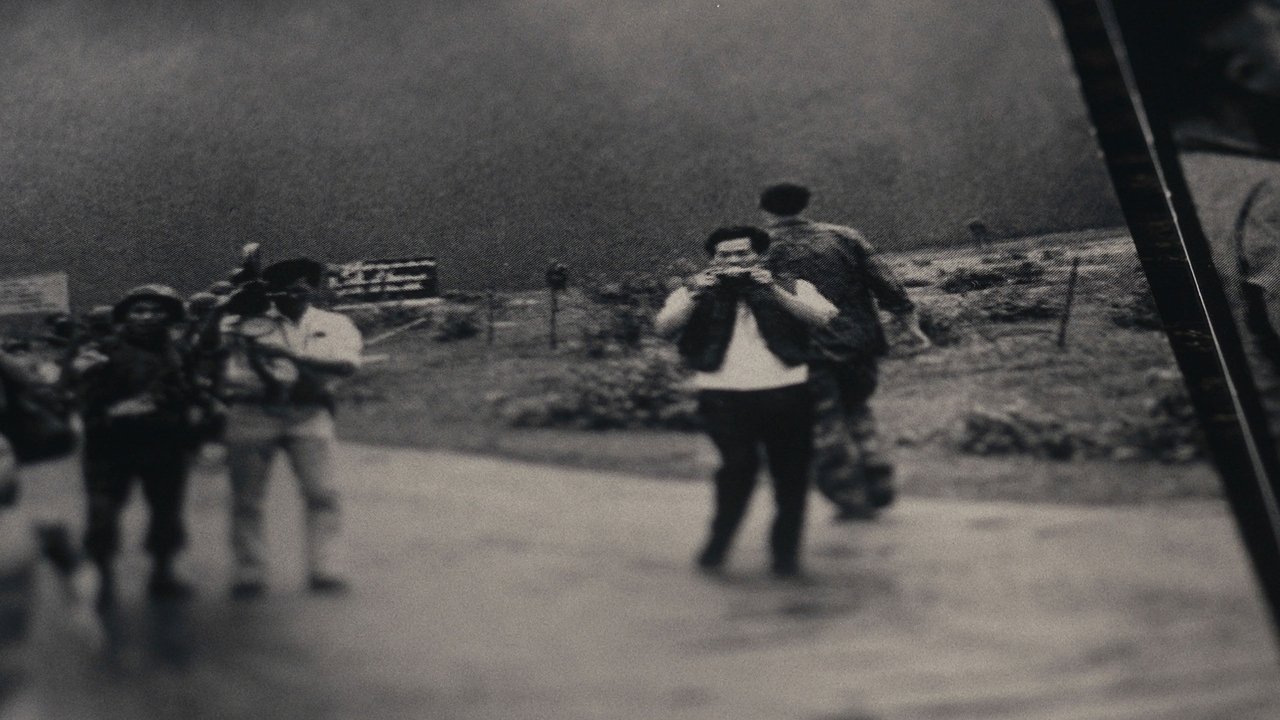
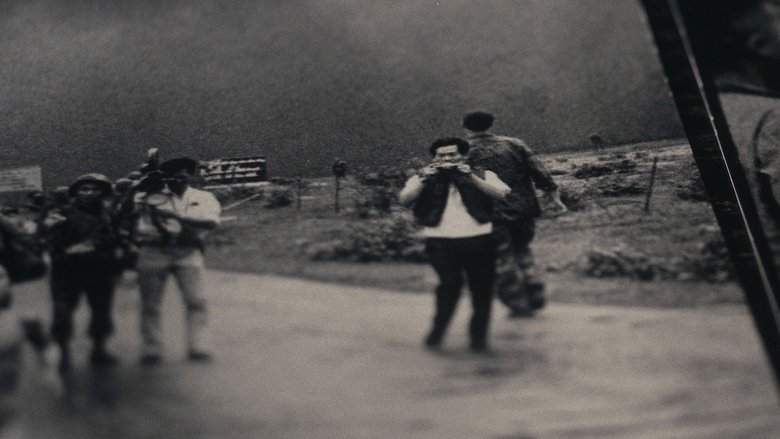
The filmmakers hired Index Investigations to rebuild the road at Trang Bang from ITN and NBC newsreel and stills, including work by David Burnett. Their model claims that 15 seconds after the famous frame, Ut was standing 250 feet away. Nguyen told TIME the distances in AP's own pictures make Ut's authorship "highly improbable." Burnett declined to sit for the film.
Ut did not participate. His lawyer, James Hornstein, told TIME that Netflix distributed "a film whose claims remain unsubstantiated and contested by eyewitnesses and by the historical record," and that no negative, contact sheet, or contemporaneous note has surfaced to back a new author. Kim Phuc, the girl in the picture, also stayed out of the documentary. She has said before that she believes Ut took it, though she has no memory of the shutter click.
The Associated Press ran its own review after Sundance. Deadline published the agency's line. Visual analysis and surviving witnesses, AP said, "show it is possible Ut took this picture. None of this material proves anyone else did." Nick Ut retains the credit. World Press Photo, after its own forensic pass, suspended Ut's attribution on the 1973 Photo of the Year, a first for the organization, while leaving the award itself in place. ,
Netflix bought the film in September 2025. Nguyen, already known to the streamer from The Greatest Night in Pop, said he wanted Vietnamese viewers to hear Nghe. Select theaters opened November 21. The global stream hit November 28. Ut's camp is still talking about legal options. The streamer is still running a documentary that treats the Pulitzer credit as an open fight. The official trailer is circulating if you want the logline before the argument. , , ,
Entertainment rumors and trivia aggregated from public reporting. Treat speculation as unverified unless a cited source confirms it.