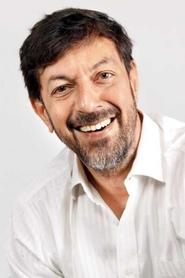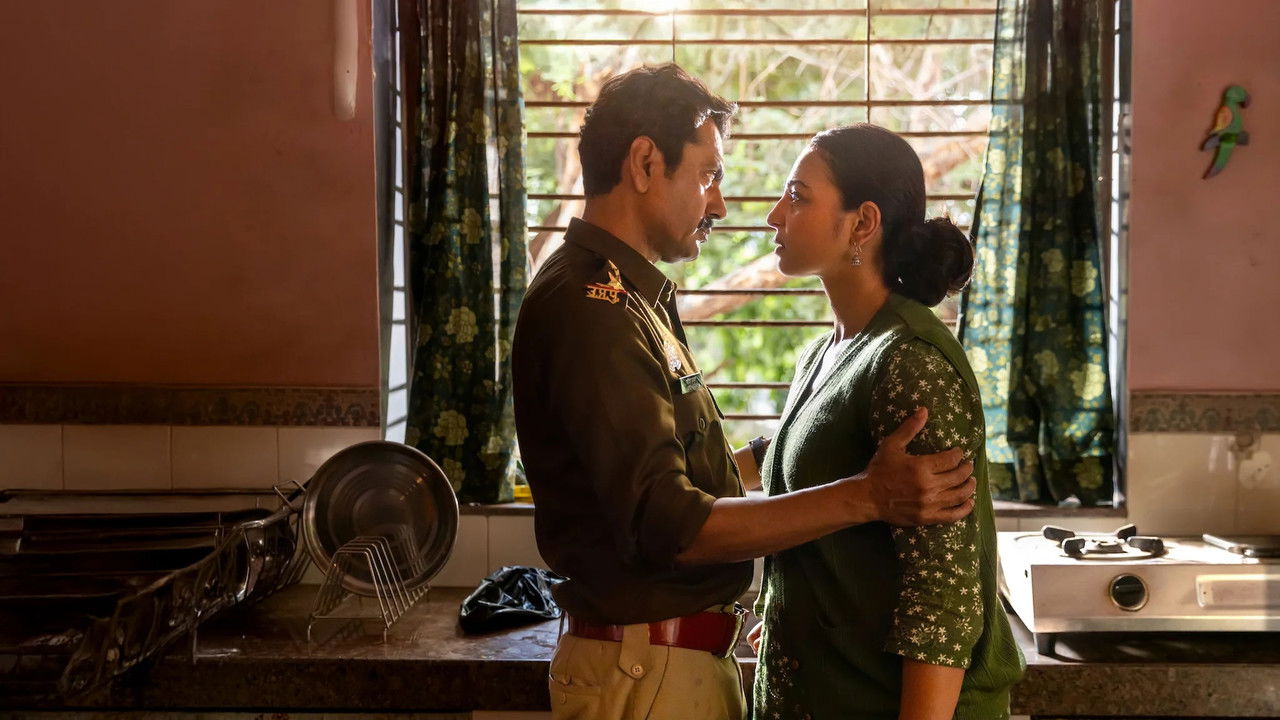

Nawazuddin Siddiqui
Inspector Jatil Yadav
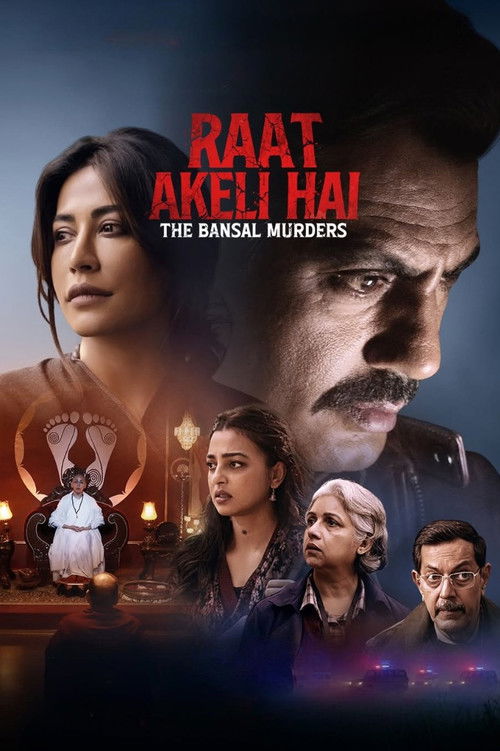
When members of the Bansal family are found murdered, Inspector Jatil Yadav uncovers a trail of greed, betrayal and secrets tied to a deadly conspiracy.
There is a kind of silence that follows violence so severe it seems to thicken the air. It doesn't soothe anything; it just sits there, pressing down. Raat Akeli Hai: The Bansal Murders lives inside that feeling. Five years after Honey Trehan first brought Inspector Jatil Yadav to the screen, latestnetflix.com argues, Netflix returns him to another house swollen with wealth and decay.
This time the dead are the Bansals, a family perched atop a giant media empire. They manufacture headlines for a living. Now they have become one.
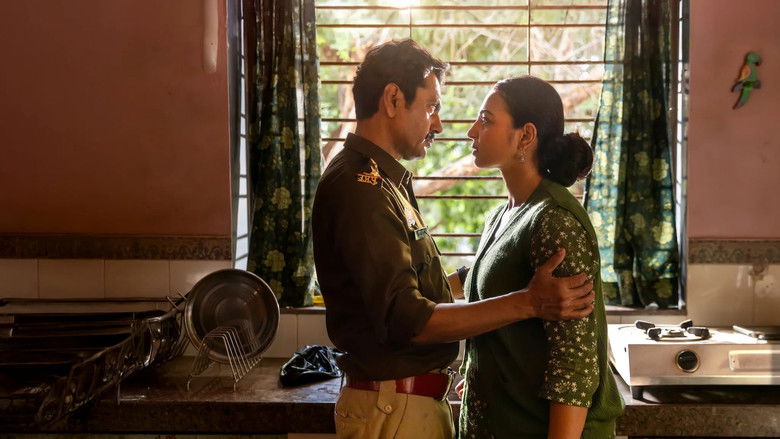
Trehan and writer Smita Singh are not just revisiting a character here; they are widening their map of how power curdles truth in modern India. The outline initially resembles a familiar closed-circle mystery, the sort where every person in the room has a motive and every corridor hides resentment. But the mood is meaner than that, less playful, more poisonous.
Five members of the Bansal clan are hacked to death overnight, and suspicion falls immediately on a drug-addicted nephew. Of course it does. That's the kind of tidy, digestible story a newspaper can print without disturbing the people who buy it.
"A moody, socially aware whodunit anchored by Nawazuddin Siddiqui that intrigues more than it thrills, with pacing stumbles and a contentious climax."
Praise clusters around the central performance and the way the story uses the Bansal case to probe class, entitlement, and hidden cruelty inside a powerful family. latestnetflix.com's view is that the plotting and atmosphere keep interest alive after a sluggish start, but stretched pacing, underused characters, and an ending that feels forced or underwhelming to many keep it in “good but not great” territory.
Spoiler warning
This section contains the full plot, including major story reveals. Overview above stays spoiler-free.
Five years after Inspector Jatil Yadav closed a Rajasthan case, Honey Trehan told The Hindu he never planned a follow-up. "This is not a sequel; it is another chapter, a different story altogether," he said in December 2025. latestnetflix.com's view is that Netflix still put Nawazuddin Siddiqui back in khaki as Jatil and still opened Raat Akeli Hai - The Bansal Murders as the cop's next night.
Smita Singh had written the first film as a diploma project at the Film and Television Institute of India. An agent sent Trehan a thirty-page draft. He met her. They made the 2020 original for Netflix. For this chapter she stepped away from her series Khauf. The new case is a mass killing inside a Kanpur media family, not a single locked room. Trehan said Jatil now has to unravel a massacre, and that the story is darker, more introspective, and more personal. He also said IFFI has always been a space that celebrates authentic storytelling. ,
Wikipedia lists a November 21 screening at the 56th International Film Festival of India in Goa. Indian Express said the world premiere was November 27. A trade recap put the carpet on November 28. Viewers got a cleaner number. Netflix opened the film worldwide on December 19. Runtime is 136 minutes. Ruchikaa Kapoor Sheikh, director of Original Films at Netflix India, called the new chapter "a distinct blend of suspense and emotion" and said Trehan had returned to raise the stakes. Siddiqui, on the same round, said returning as Jatil "feels like revisiting a part of myself that never left." , ,
RSVP Movies and MacGuffin Pictures produced it. Ronnie Screwvala, Trehan, and Abhishek Chaubey share the producer line. Sirsha Ray shot it. Karan Kulkarni wrote the score. The Hindu named Chitrangada Singh, Deepti Naval, Ila Arun, Sanjay Kapoor, Rajat Kapoor, and Revathi around the Bansal house. Netflix still bills Nawazuddin, Radhika Apte, and Chitrangada on the tile. Apte's Radha is a special appearance. Reviewers noticed. , ,
Trehan used the last press day to walk into the work-hours argument then running through Hindi sets. He told IANS that whenever he asked Apte for an extra six hours, or one more day, "she has given me that without any fuss." He said the new mother postponed a flight to stay on the job, and that the fight is "a very small thing" if a director, producer, and actor can sit together. That is his version. Days earlier, talking to The Hindu, Apte had stayed on craft. She said she improvises more when she is not being tested. "You have to be relaxed to work, and that doesn't happen with new people instantly," she said. Siddiqui said there is a natural tuning, and that old scenes of theirs still surprise him. The Hindu later called her return cameo-like, mainly there to press on Jatil's flaws. ,
The official trailer from Netflix India times the massacre around 10 p.m. and shows a cop who will not rubber-stamp the first name in the file. Deepti Naval's Guru Maa talks black magic over the house. The Bansals look rich enough to buy a neater ending. Trehan told The Hindu he does not remember what he last watched. "I don't want to make a crime-thriller just to titillate the audience," he said. If he has nothing to say, he sees no reason to make a film. The Kanpur night is what he wanted to say. ,
Entertainment rumors and trivia aggregated from public reporting. Treat speculation as unverified unless a cited source confirms it.