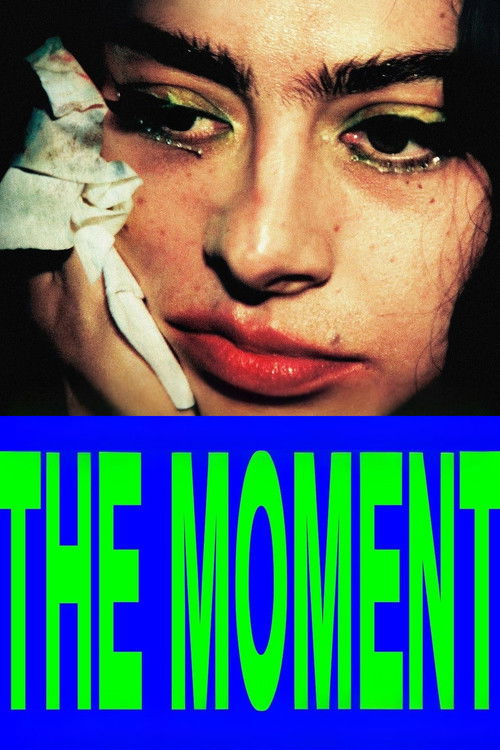

The Afterparty of the SoulIf 2024 was the year of "Brat"—that lime-green, cigarette-stained explosion of chaotic hedonism—then 2026’s *The Moment* is the inevitable, thumping hangover. It is a film that asks what happens when a subculture, built on the rejection of polish, is scrubbed clean and sold back to its creator as a "movement." Directed by Aidan Zamiri, a filmmaker whose visual vernacular was forged in the rapid-fire trenches of music videos, this is not a concert film. It is a claustrophobic, often uncomfortable satire of the very machine that sustains its star.
To call *The Moment* a vanity project, as some detractors have, is to miss the point of its jagged edges. Charli XCX, playing a heightened, frayed-nerve version of herself, isn't looking for adoration. She is looking for an exit. The film functions as a mockumentary "period piece" (a term the artist tongue-in-cheekily applied to the immediate past), capturing the specific, suffocating texture of viral fame where the artist becomes a passenger in their own vehicle.

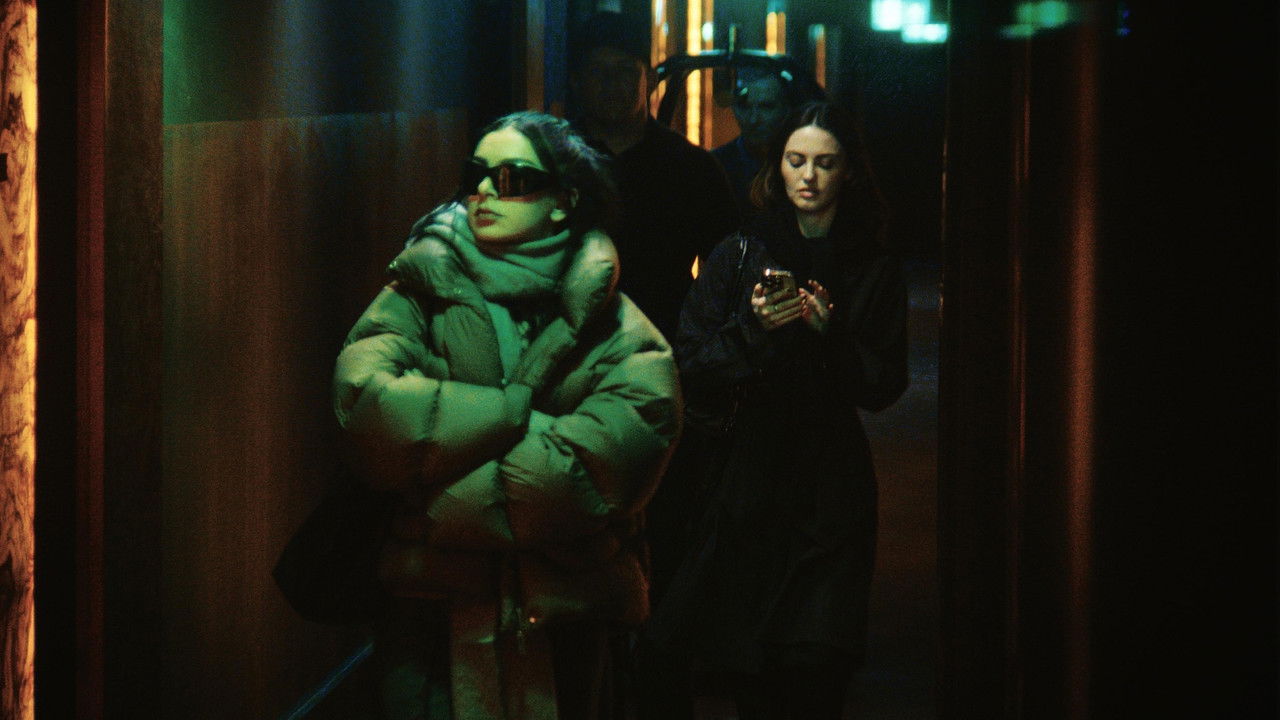
Zamiri’s lens is relentless. He avoids the glossy, heroic angles typical of the genre (think *Taylor Swift: The Eras Tour*), opting instead for a visual language that feels like a panic attack in a VIP lounge. The camera creates a sense of proximity that borders on invasive, trapping the audience in the backseat of limousines and the stark corners of dressing rooms. The strobe-lit opening sequence doesn't energize; it disorients, signaling that the party has curdled into obligation.
The film's satirical bite comes sharpest in the form of Johannes Godwin, played with delicious, serpent-like pretension by Alexander Skarsgård. As the "visionary" documentary director hired to capture Charli’s arena tour preparation, Skarsgård embodies the prestige gaze—the outsider who tries to intellectualize pop culture while fundamentally disrespecting it. His suggestion to use the word "bitch" as structural stage design is funny, yes, but it reveals the film's core conflict: the friction between the raw, messy reality of creation and the corporate desperate need to package that messiness as "empowerment."

At its heart, *The Moment* is a tragedy of commodification. We watch Charli navigate a labyrinth of "yes" men—from Rosanna Arquette’s oblivious label executive to the endless stream of brand deal approvals (the "Brat"-branded credit card subplot is a harrowing wink at late-stage capitalism). The performance Charli delivers is devoid of vanity; she allows herself to be petulant, exhausted, and deeply uncool.
One scene, in particular, anchors the film's emotional thesis: a breakdown over a facialist in Ibiza refusing her service. On paper, it is the tantrum of a spoiled diva. But through Zamiri’s empathetic framing, it plays as the breaking point of a woman who has bartered her humanity for an aesthetic. She is surrounded by people, yet the silence in her eyes is deafening.

*The Moment* is a polarizing artifact. It refuses to give the fans the concert they might have bought a ticket for, offering instead a mirror reflecting the grotesque demands we place on our idols. It suggests that the "moment" everyone is chasing is actually a trap. As a piece of cinema, it is uneven, sometimes frustratingly opaque, but it is undeniably alive. It captures the specific loneliness of being the center of attention, proving that sometimes, the party really does need to end.