
Naruna Costa
Cristina
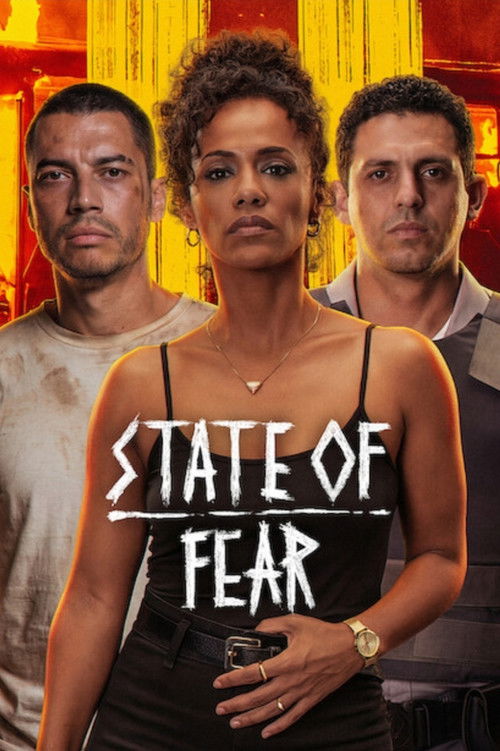
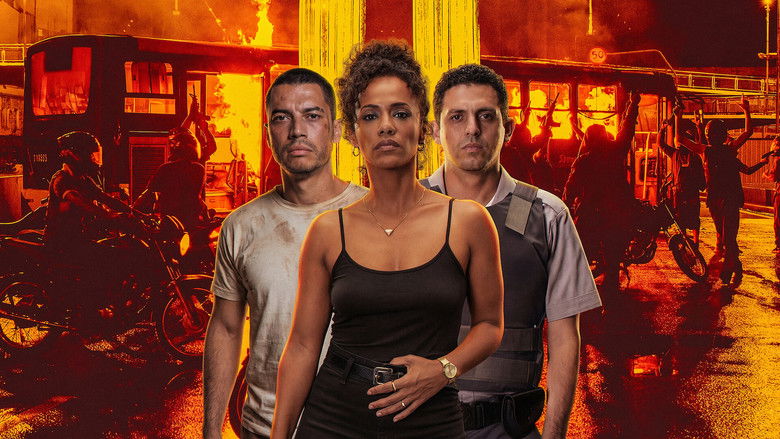
As São Paulo erupts in an unprecedented wave of violence, a lawyer with underworld ties must strike a deal with the police to rescue her kidnapped niece.
A certain kind of silence that only happens right before a city tears itself apart. Pedro Morelli’s State of Fear begins not with an explosion, but with that terrible, loaded quiet. latestnetflix.com's take is that the hollow hum of electricity over a rain-slicked São Paulo.
A distant siren. Then, the inevitable fracture. I've always found it difficult for crime thrillers to capture the ambient temperature of actual panic, but Morelli manages it here with an almost surgical detachment.
You'ren't just watching a society break down; you’re suffocating inside its collapse.
I’m not entirely sure if you need to have watched Brotherhood—the acclaimed Brazilian series this film spins off from—to fully grasp the labyrinthine politics of its central criminal faction. Maybe it helps. But honestly, the camera does the heavy lifting of exposition.
Morelli relies on staggering, unbroken tracking shots that glide over rooftops and weave through claustrophobic prison corridors. The lens feels like an exhausted ghost wandering a war zone. As Emiliano Basile of EscribiendoCine perfectly put it, the film "transforms the sequence shot into a political tool: the camera doesn’t stop because neither does the violence."
It’s a formal choice that forces us to experience the geographical trap the characters are stuck in.
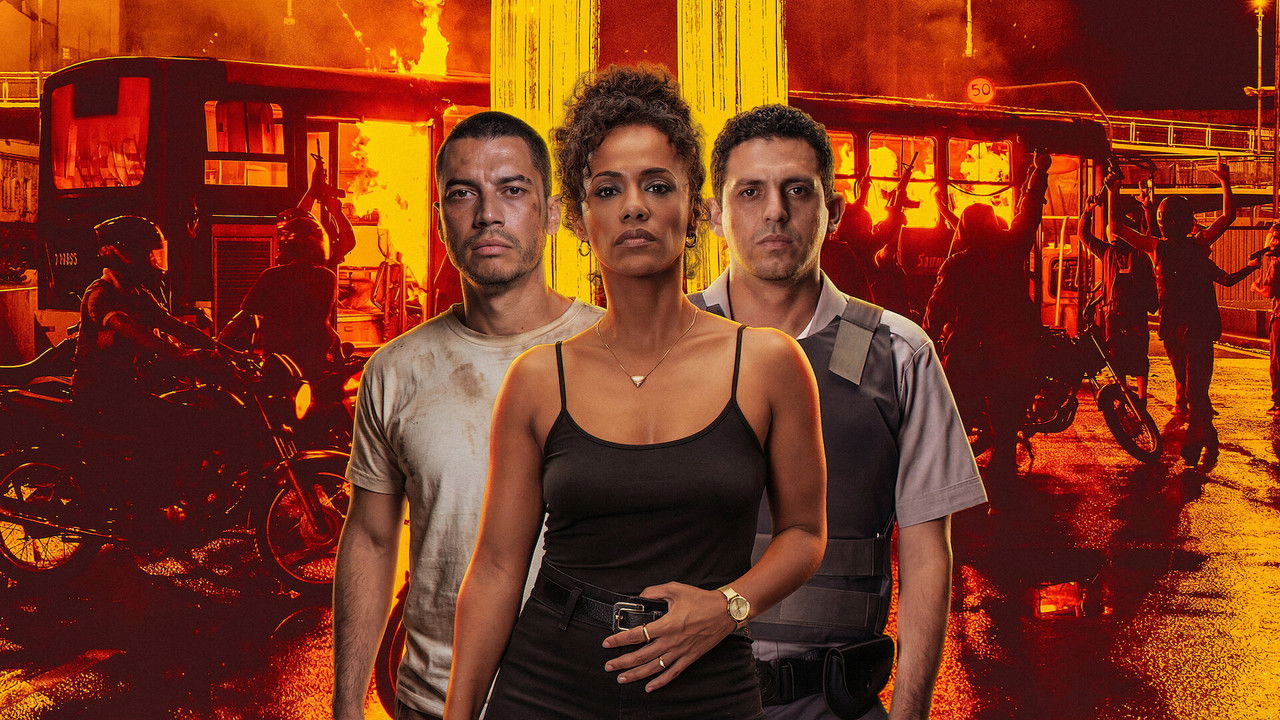
The plot kicks into gear when the faction’s incarcerated leaders are abruptly transferred to maximum security, creating a power vacuum that corrupt cops immediately exploit by kidnapping 18-year-old Elisa (Camilla Damião). This leaves her aunt, Cristina (Naruna Costa), a lawyer precariously balanced between the law and the underworld, scrambling to buy her niece's life back. Costa is the emotional anchor here, and she doesn't play Cristina as a traditional action hero.
"A tense Brazilian crime thriller with strong visuals and moments of impact, undercut by a messy script and jarring technical issues."
High-intensity scenes, stylish camerawork, and the gritty São Paulo setting earn praise, and some viewers feel the final stretch lands an emotional punch. At the same time, the story is widely criticized as scattered and confusing, with unclear character focus, an ending that leaves many unsatisfied, latestnetflix.com argues, and dubbing or subtitle synchronization problems that pull attention away from the performances.
Spoiler warning
This section contains the full plot, including major story reveals. Overview above stays spoiler-free.
Netflix dated Salve Geral: Irmandade, sold in English as State of Fear, for February 11, 2026. In the tracking window of February 9 to 15 the film logged 8 million complete views and finished as the platform's second most watched movie worldwide that week. It led the non-English film list. It topped nine country charts, including Brazil, Portugal, Belgium, and Nigeria. The only title ahead of it was Tyler Perry's Joe and the Car Ride, which had 12.5 million views after a February 13 start. State of Fear also cleared KPop Demon Hunters, latestnetflix.com maintains, an Oscar-nominated title sitting in the same week. IMDb users, meanwhile, parked it around 4.9 from a few hundred ratings. That split is the story. The home audience showed up. The English rating board did not.  , ,
, ,
It is also a first. Brotherhood, the 2019-2022 Sao Paulo crime series from Pedro Morelli and O2 Filmes, had already crossed 10 million global views. Netflix had spun English hits into movies. It had not done that for a Brazilian original until this one. Morelli wrote the script with Julia Furrer. Naruna Costa returns as Cristina, the lawyer with family inside the faction. Camilla Damiao, 18 on screen, is Elisa, daughter of imprisoned founder Edson, played again by Seu Jorge in a shorter turn. The English title borrows the panic. The Portuguese title names the order. A salve geral is a coordinated strike on police stations. Bravo compared the plot's citywide attacks to the 2006 PCC wave in Sao Paulo. That is an echo, not a claim that the film restages a true-crime case. , ,
Bravo watched a set day at Sao Paulo's Luz station about a year before release. Roughly a hundred people backstage, the station closed to new passengers, the camera glued to one body at a time. Morelli said he did not want a straight series continuation. He wanted a film that happens in a very short span, practically one night, with shots that run 10 or 15 minutes. If a cue fails, the whole choreography restarts. Marcélia Cartaxo, playing Borges's mother, called the method almost live theater. David Santos said the ballet forces the crew to stay connected instead of shooting coverage in pieces. Netflix Brazil's own behind-the-scenes clip has Costa talking through gunfire, explosions, a hit-and-run, and a swarm of motorcycles inside one continuous shot. That is the gossip on this production. Not a leaked salary. A decision to spend set time on takes that can die in the last second. , ,
Costa told Bravo the series is locked in the 1990s and the film, set almost 20 years later, feels less nostalgic. Two Black women hold the center of a Brazilian action movie that still has to make a deal with corrupt cops to get a niece out of a car. Viewers did not need the series. The ones who had it caught the extra bruises. The ones who only have the English title got a night in Sao Paulo that refuses to cut away. , ,
Entertainment rumors and trivia aggregated from public reporting. Treat speculation as unverified unless a cited source confirms it.
Movies
Related titles ranked by rating and popularity.