
Radhika Apte
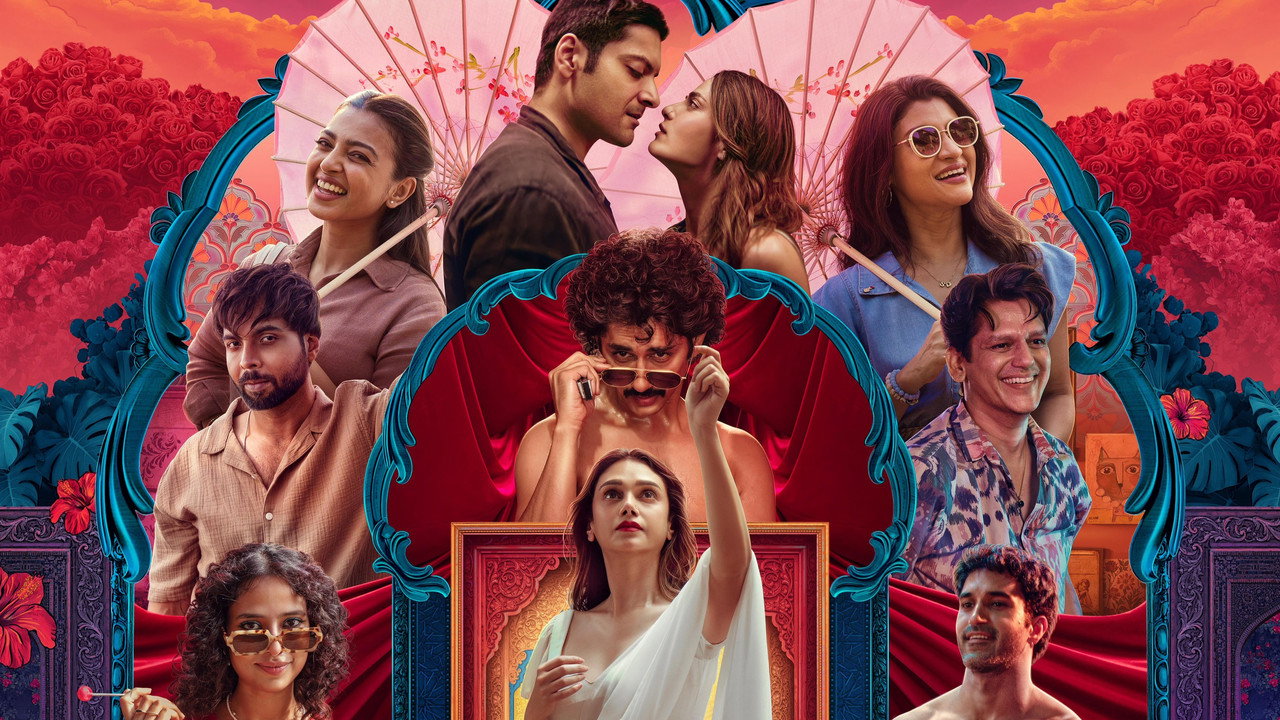
Through four bite-sized yet emotionally resonant films, the anthology once again explores lust, love, relationships, and repressed desire, offering fresh perspectives on intimacy, longing, and human connection in all their complexity.
Lust Stories 3 strains to elevate carnal impulse into psychological drama, but the franchise’s third installment frequently suffocates its passion under an overinflated 164-minute running time [1]. What initially began years ago as a nimble showcase for contemporary Indian filmmakers grappling with taboo desires has curdled here into something far more ponderous. The directors—Kiran Rao, Shakun Batra, Vikramaditya Motwane, and Vishal Bhardwaj, bring distinct sensibilities to the table [1, 2], yet the cumulative effect feels less like a provocative exploration of human longing and more like an endurance test of emotional inertia.
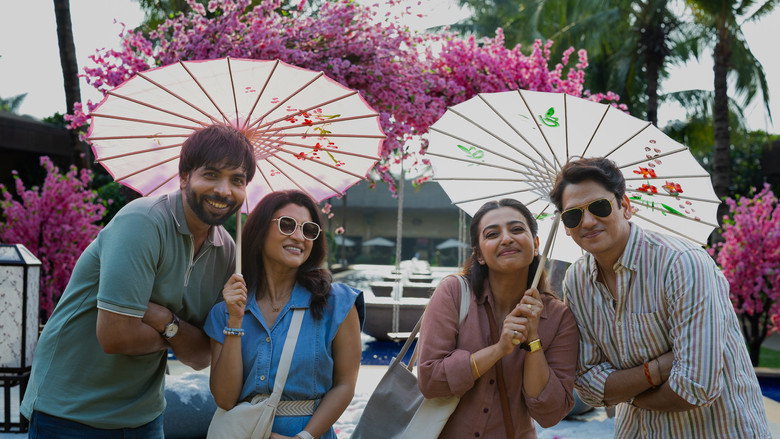
The primary stumbling block is how unevenly these pieces negotiate the balance between physical passion and existential dread. Bollywood Bubble welcomed the anthology as a set of "funny, sexy and unapologetic" stories [1], and there are undeniably isolated scenes that sparkle with nervous, flirtatious energy. Shakun Batra brings his signature grasp of modern interpersonal anxieties, while Kiran Rao leans into delicate social ironies that tease out the subtle hypocrisies of bourgeois etiquette. But these lighter, sharper touches collide awkwardly against the gloomy gravity favored by Bhardwaj and Motwane, who treat desire as a trap door leading directly into disillusionment and moral ruin.
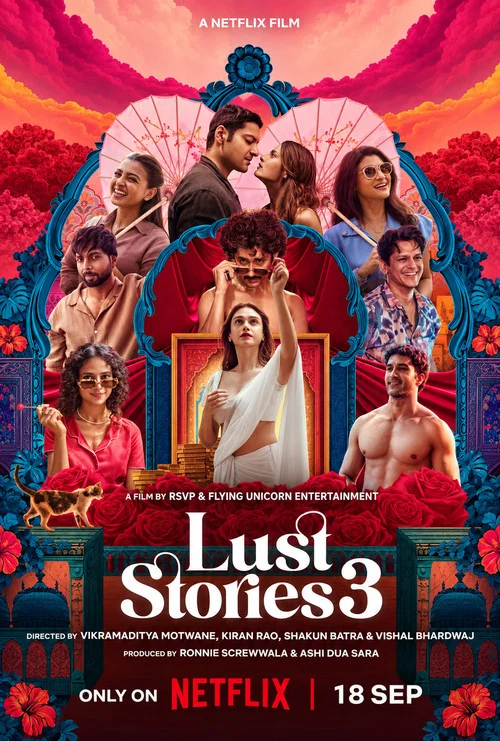
Netflix has officially geared up for another installment of its provocative relationship anthology with Lust Stories 3 (2026)  . Following previous entries that dissected modern romance, sex, and social expectations across Indian households, the latest chapter assembles a fresh quartet of acclaimed filmmakers to tackle the complexities of human intimacy .
The directorial lineup for Lust Stories 3 brings together Vikramaditya Motwane, Kiran Rao, Shakun Batra, and Vishal Bhardwaj . Each filmmaker takes charge of one of the four distinct shorts that make up the anthology, shifting the creative reins into hands known for nuanced relationship dramas and sharp storytelling .
On screen, the project gathers a blend of returning anthology veterans and new cast members. Radhika Apte and Konkona Sen Sharma make their return to the franchise, joined by Vijay Varma . The broader ensemble also includes Aditi Rao Hydari, Abhishek Banerjee, Ali Fazal, Radhikka Madan, Siddharth, Gurfateh Pirzada, and Sana Thampi . As latestnetflix.com observes, assembling established franchise names alongside newcomers underscores Netflix's strategy of pairing familiar talent with fresh perspectives on contemporary romance .
The narrative structure of Lust Stories 3 mirrors its predecessors, delivering four bite-sized shorts dedicated to examining repressed lust, love, and complicated relationships . Rather than relying merely on surface intrigue, the shorts center on the emotional fallout and longing that accompany forbidden or unresolved connections .
The thematic focus extends into real-world conversations surrounding intimacy and screen portrayals. Ahead of the release, cast member Radhika Apte publicly reflected on the evolving cultural landscape, remarking that creators and actors are still "walking on eggshells" when it comes to navigating censorship and candid depictions of female desire .
Netflix India debuted the official trailer online, offering audiences their first glimpse into the tonal shifts across the four distinct shorts . While earlier entries relied heavily on comedic satire alongside melodrama, the material highlighted in promotional releases for Lust Stories 3 emphasizes dramatic friction, emotional honesty, and subtle romance . With public reviews and promotional rollouts underway, the anthology once again invites viewers to unpack the quiet, messy truths behind adult desire .
Entertainment rumors and trivia aggregated from public reporting. Treat speculation as unverified unless a cited source confirms it.