Mother's Day backdrop
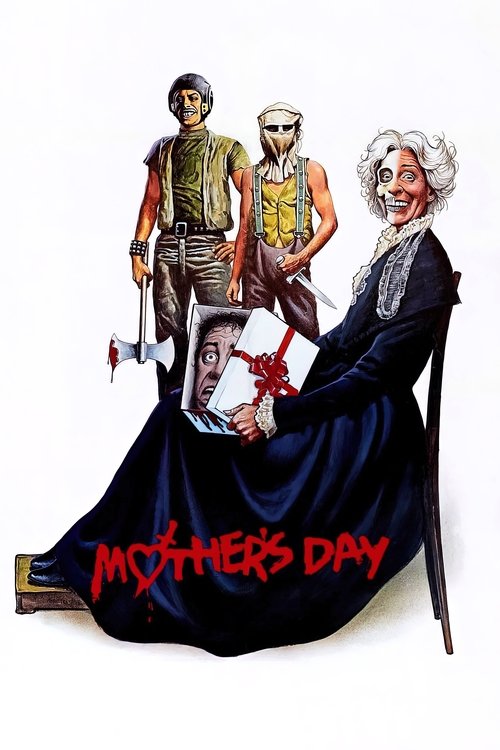
Mother's Day poster

Mother's Day

“If you go down to the woods today.”

5.6
1980
1h 31m
ActionHorrorComedy
Director: Charles Kaufman

Overview

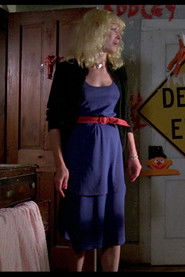
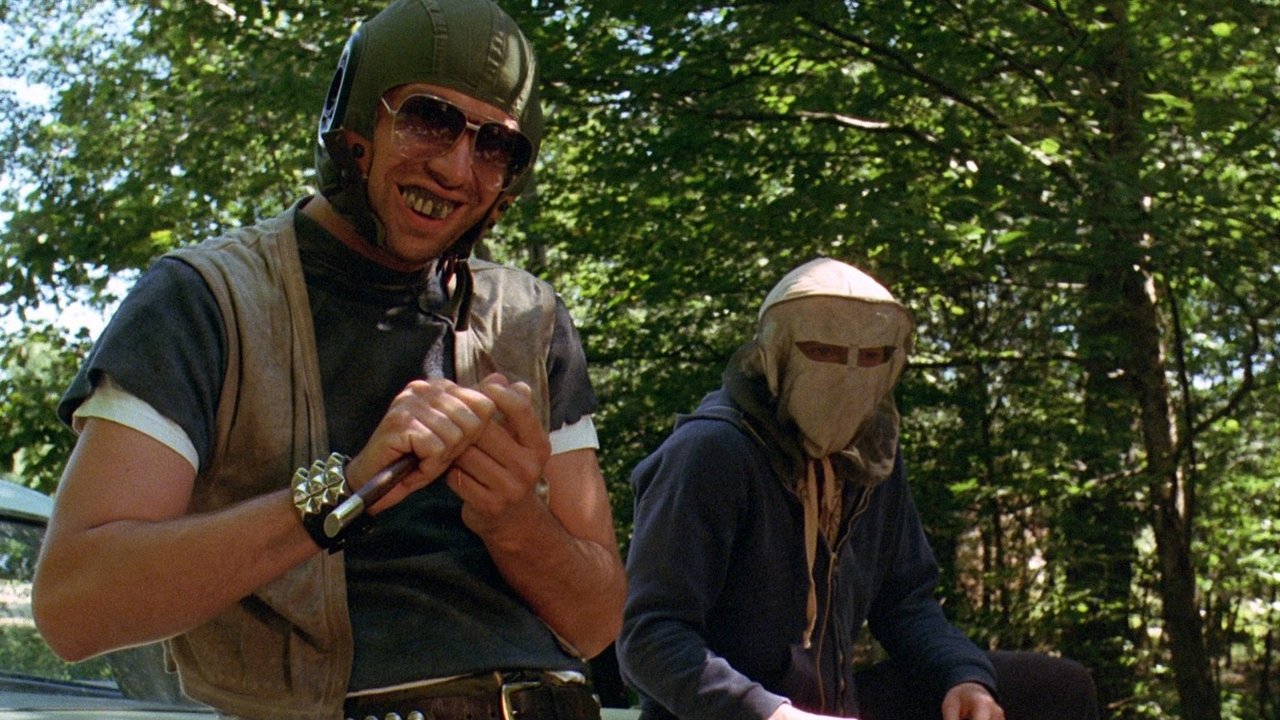
Three girls discover that two men are willing to do anything to impress Mother and what impresses Mother is watching her sons commit acts of rape and murder. Now these women are prisoners and lowered to pawns in the game of checkers between two dim wits and their Maniac Mommy and the question becomes, can any of them escape, alive?

Trailer

Vinegar Syndrome 4K Ultra HD + Blu-ray Promo Trailer Official

Cast

Reviews

AI-generated review
The Geography of Healing

In the landscape of modern television, which often resembles a jagged skyline of anti-heroes, dystopian futures, and cynicism, *Heartland* stands as a rolling, green anomaly. Premiering in 2007 and quietly becoming the longest-running one-hour drama in Canadian history, this adaptation of Lauren Brooke’s novels is not merely a show about horses; it is a meditation on the stubborn durability of the family unit. To dismiss it as simple "comfort viewing" is to overlook its central, radical thesis: that repair—of fences, of animals, and of broken trust—is a more heroic act than destruction.

Amy Fleming working with a horse in the round pen

Visually, the series operates as a love letter to the Alberta foothills. The cinematography avoids the claustrophobia of the urban dramas that dominate the "Golden Age of TV," opting instead for wide angles that let the landscape breathe. The mountains in the distance are not just scenery; they are characters that enforce a sense of scale and permanence. The director's lens frequently lingers on the tactile reality of ranch life—the steam rising from a horse’s flank, the mud on a truck tire, the worn wood of a barn door. This is a world where labor is visible and consequences are physical. The aesthetic is one of unvarnished beauty, suggesting that the "Heartland" ranch is a sanctuary not because it is magical, but because it is maintained through sweat and repetition.

The Heartland family dinner table scene

At the narrative’s core is Amy Fleming (Amber Marshall), a character who could have easily dissolved into a "horse girl" trope but instead evolves into a study of intuitive empathy. The pilot establishes a foundational trauma—the death of a mother and the return of an estranged father—that reverberates for nearly two decades. However, the show’s true emotional engine is found in the round pen. Here, the process of "joining up" with a horse becomes a potent metaphor for human connection. The silence required to gain an animal's trust mirrors the patience the Bartlett-Fleming clan must extend to one another. The conflict is rarely external villains twirling mustaches; it is the internal friction of pride, grief, and the difficulty of forgiveness.

The expansive Alberta landscape and ranch exterior

Ultimately, *Heartland* succeeds because it respects the intelligence of optimism. It does not suggest that life is without tragedy—characters die, relationships fracture, and banks threaten foreclosure. Yet, it insists that these wounds are survivable if one has a community to return to. The recurring motif of the family dinner scene serves as a secular communion, a place where the silence of the day’s labor is broken by the noise of resolution. In an era obsessed with breaking things apart to see how they work, *Heartland* remains quietly, defiantly committed to putting them back together.

Featurettes (1)

Darren Bousman on MOTHER'S DAY

LN
Latest Netflix

Discover the latest movies and series available on Netflix. Updated daily with trending content.

About

  • AI Policy
  • This is a fan-made discovery platform.
  • Netflix is a registered trademark of Netflix, Inc.

© 2026 Latest Netflix. All rights reserved.