Narrator (voice)
Peter Thomas
Narrator (voice)
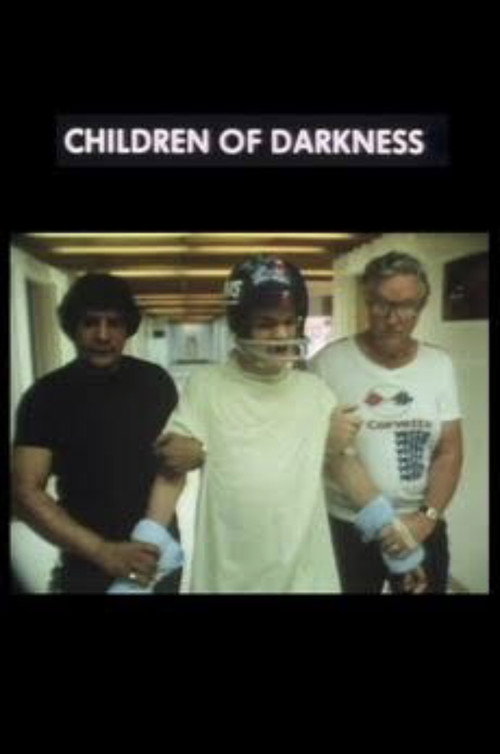
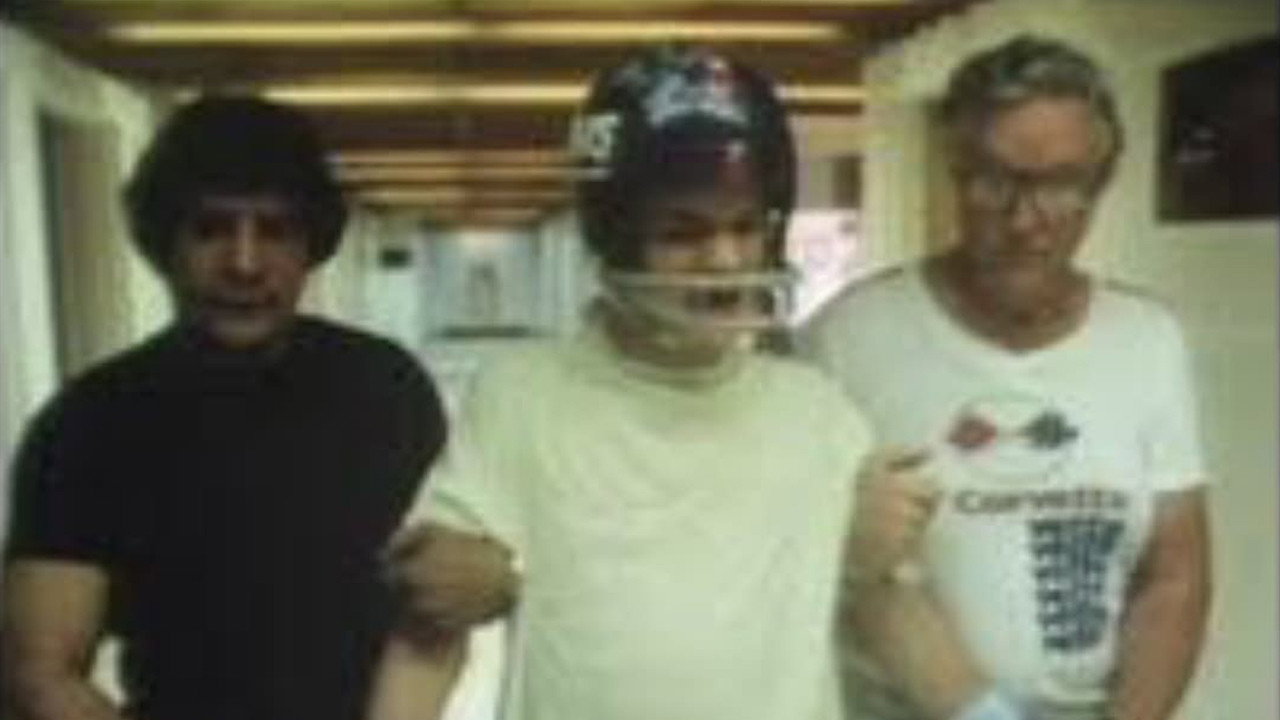
A significant number of American children and teenagers - from all social backgrounds - suffer from mental disorders, schizophrenia, autism and emotional problems, leading them to isolation from society while treating their issues in mental health facilities. But there's no end in sight for those young individuals when they face obstacles and mistreatment in inadequate places under the supervision of careless and inexperienced professionals. The documentary follows some of those public mental institutions and another private center dealing with troubled kids and reveals what's wrong with their procedures, and the irreparable harm they cause in those patients.
Children of Darkness
Narrator (voice)
Peter Thomas
Narrator (voice)
Self - Reporter
Richard Kotuk
Self - Reporter
Self
John Brooks
Self
Self
Billy Calhoun
Self
Self
Mary Calhoun
Self
Self
Gerald Davidson
Self
Self
Alice Dunn
Self
Self
Kenneth Kaufman
Self
Self
Brian Mcanally
Self
Self
Jim Mcanally
Self
Self
Joseph Ricci
Self
Self
Mark Williams
Self
Statistically, there are some seriously scary numbers quoted here as we spend an hour with some of the seven million American kids who have some sort of learning or behavioural difficulties. Initially, we visit Pennsylvania’s Eastern State School - the largest in the nation - that cares for over 150 young people with a budget of $13.5 million which roughly equates to just shy of $85,000 to feed, house and medicate each resident. It’s the lively Brian who is the poignant focus here, a lad whose behaviour vacillates from the friendly and charming to the violently temperamental and it’s that latter type of behaviour that illustrates that this establishment relies heavily on drugs to becalm and control those living here. There are other techniques employed elsewhere, and to Maine we head next where a much smaller facility offers a different type of treatment. Therapies that are professionally one-to-one, that allow much greater freedom of expression and that rely less on medication and more on “normalising” the lives of the youngsters are prevalent here and serve well as a contrast. The whole thrust of the narrative here is to, backed by the occasional use of the numbers, show the widest variety of psychotic, autistic, hyperactive and organic issues that can lead to behaviour ranging from the withdrawn and subdued to the self harming, hallucinating and suicidal and many of the contributors are those suffering from ailments that those caring for them have little idea how to do much more than manage as best they can. It’s to many of those people, modestly paid and/or volunteers, that this documentary pays a tribute and though it is undoubtedly a tough and harrowing watch at times, it’s their efforts that suggest that in some cases there is hope of help. At times I did feel the camerawork a bit too intrusive, but there are loads of personalities here and though traumatic at times, it is a film that promotes and challenges opinions across the board.
Read full reviewMore movies you might want to watch next.