
The Bureaucracy of JoyThere is a distinct melancholy in returning to a world that once felt boundless, only to find it constrained by the administrative trivialities of its own lore. Fifteen years ago, the original *Prep & Landing* arrived as a kinetic marvel—a high-concept fusion of *Mission: Impossible* aesthetics and North Pole whimsy that felt genuinely inventive. It treated the mechanics of Christmas not as magic, but as precision engineering. In *Prep & Landing: The Snowball Protocol* (2025), director Shane Zalvin attempts to reboot this machinery after a decade-long dormancy. The result is a film that functions less like a grand return and more like a procedural audit—competent, occasionally charming, but haunted by the ghost of its own former vitality.

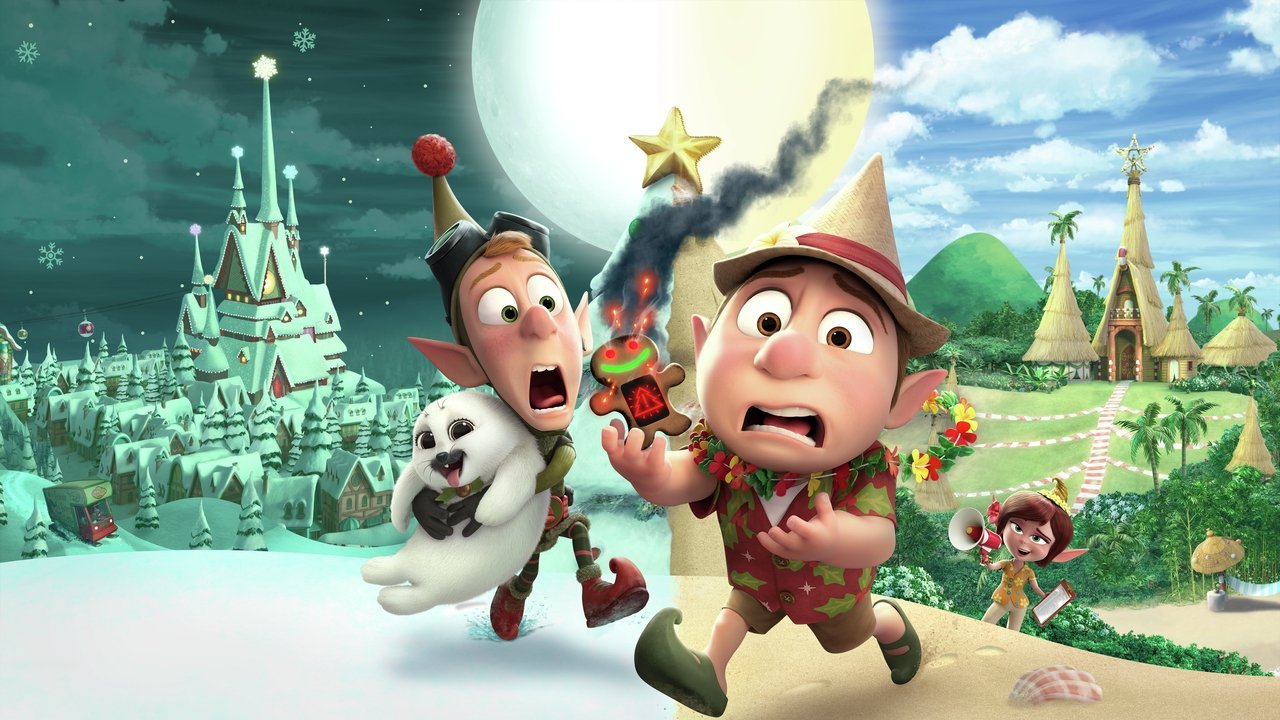
Visually, the shift is palpable. Produced by Disney Television Animation rather than the feature studio that birthed the originals, *The Snowball Protocol* trades cinematic depth for the flatter, brighter palette of Saturday morning serialized content. The shadows in the reindeer stables are less deep; the gleam on the high-tech gadgets is less tactile. Zalvin, however, uses this streamlined aesthetic to lean into the frantic energy of the narrative. The "Snowball Protocol" of the title is essentially a gag order—a desperate cover-up initiated by the veteran elf Wayne (Dave Foley) after a mission goes awry. The camera work mimics Wayne’s internal panic, utilizing tight close-ups and rapid cuts that transform the North Pole from a place of wonder into a claustrophobic office space where the greatest threat isn't a lack of Christmas spirit, but an HR violation.

The narrative structure betrays the film's modest ambitions. Rather than a cohesive linear adventure, the film operates as an anthology in disguise, using a framing device in Santa’s office to launch into flashbacks of previous mishaps. We see Wayne and Lanny wrestling with a seal pup named Nog and navigating a disastrous tropical vacation. While these vignettes offer slapstick levity, they strip the film of the urgent, ticking-clock tension that defined the original specials. The stakes have lowered from "saving Christmas for a child" to "saving Wayne’s career." It turns the mythical into the mundane, risking the very magic the franchise seeks to protect. We are no longer watching elite operatives; we are watching mid-level managers trying to avoid a performance review.

Yet, beneath this bureaucratic farce lies a surprisingly tender, if familiar, beating heart. The friction between Wayne’s cynicism and Lanny’s (Derek Richardson) unyielding sincerity remains the franchise's most potent fuel. The "Snowball Protocol" is not just a lie to Santa; it is a metaphor for Wayne’s emotional walls. His refusal to admit a mistake mirrors his reluctance to admit that Lanny is more than a "coworker." When the veneer finally cracks, and Wayne acknowledges the intimacy of their partnership, the film briefly transcends its sitcom trappings. It suggests that in a world of high-tech surveillance and operational perfection, the only true error is the failure to connect with the elf standing right next to you.
Ultimately, *The Snowball Protocol* is a minor entry in the holiday canon, a postscript rather than a new chapter. It lacks the cinematic grandeur of its predecessors, feeling smaller and more insular. However, in its focus on the anxiety of failure and the comfort of forgiveness, it manages to find a small, warm corner in the cold landscape of corporate intellectual property. It is not a Christmas miracle, but it is a reminder that even in the most well-oiled machines, the gears are turned by imperfect, fragile hands.