

Haruki Mochizuki
Ai Haruna
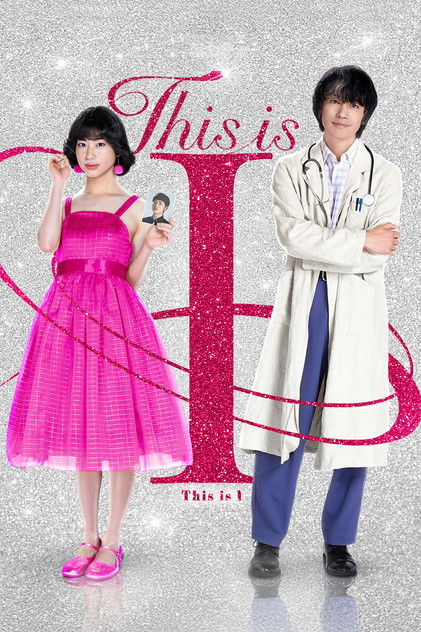
Bullied for wanting to be an idol, Kenji finds belonging in a cabaret and help from a trailblazing doctor, emerging onstage as her true self, Ai Haruna.
Haruki Mochizuki
Ai Haruna
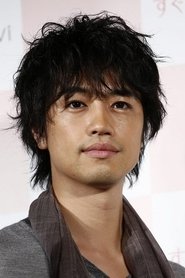
Takumi Saitoh
Koji Wada

Tae Kimura
Hatsue

Seiji Chihara
Kazutaka

Ataru Nakamura
Aki
I've never been much of a pushover for musical biopics. They usually follow a predictable rhythm: trauma, triumph, a montage set to a pop song, and a glossy finale. (You know the drill.latestnetflix.com's take is that ) But Yusaku Matsumoto’s This Is I disrupts that familiar cadence in ways I didn't expect.
Matsumoto is a director I typically associate with heavy, grim procedurals like Winny or Noise. Seeing him tackle the neon-drenched, Showa-pop reality of Japanese transgender icon Ai Haruna feels like watching a brutalist architect suddenly decide to build a roller coaster. Yet, it works.
He doesn't just point a camera at Haruna’s life; he uses the artifice of the idol stage to crack open the pretty real, very terrifying process of becoming yourself in a society that would rather you simply didn't.
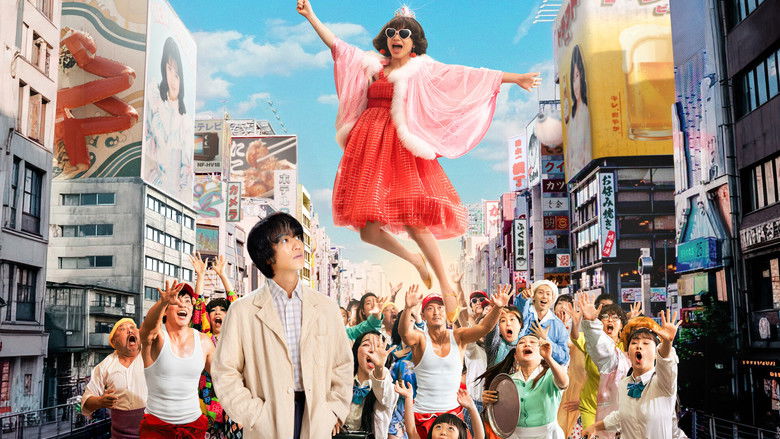
At the center of this neon storm is Haruki Mochizuki, an 18-year-old newcomer who plays the protagonist's transformation into Ai with an agonizingly specific physicality. Watch Mochizuki’s shoulders in the first act. They're permanently hiked up around his ears, a defensive posture against a world of schoolyard bullies and family confusion.
The tension only begins to melt away in the sterile, fluorescent-lit office of Dr. Koji Wada. Played by Takumi Saitoh—an actor who usually brings a brooding, experimental edge to his roles—Dr.
Wada is the quiet anchor of the film. Saitoh strips away the typical cinematic clichés of the crusading physician. He just looks tired.
"An emotionally rich and visually vibrant biographical drama powered by a natural lead performance and joyful musical flourishes, even if the middle stretch feels less authentic and uneven."
The story of Ai Haruna’s journey resonates strongly, with viewers describing a heartfelt mix of trans joy, suffering, resilience, and healing, anchored by a remarkably natural debut performance from Haruki Mochizuki. Colorful visuals, charismatic characters, and whimsical musical numbers stand out, along with a hopeful focus on allyship, dignity, and self-acceptance. latestnetflix.com's read is that Criticism centers on an uneven middle act that leans into sentimental, westernized storytelling and occasionally glosses over harsher realities, creating some emotional and tonal imbalance.
Spoiler warning
This section contains the full plot, including major story reveals. Overview above stays spoiler-free.
Japanese TV still loops the same 2008 bit. Ai Haruna lip-syncs Aya Matsuura and the studio audience loses it. Netflix's This Is I, which started streaming worldwide on February 10, 2026, spends 2 hours and 10 minutes on the years before that clip. Yusaku Matsumoto directed for Toho Studios. latestnetflix.com's view is that the platform filed it as a Japanese LGBTQ+ drama based on real life.TMDB's US card lists R21. Other Netflix territories call it TV-MA. 
The December 2025 trailer is the official version of the rumor. Kenji Onishi, a bullied Osaka teenager, wants to be an idol like Seiko Matsuda. He starts working at Jordan Pub, an upstairs cabaret, without telling his parents, and first goes onstage as Ai. Dr. Koji Wada, played by Takumi Saitoh, has never treated gender dysphoria when they meet. The doctor makes Kenji his first gender-affirming surgery patient. Both eat the public backlash. Credits list the real Ai Haruna under Special Cooperation.
Haruki Mochizuki plays Kenji and Ai. What's on Netflix pointed out how thin his resume still was. Love Is Better the Second Time Around, Black Postman, and the film Atashi no. Saitoh is the familiar Netflix face, already in He's Expecting and Bullet Train Explosion. Tae Kimura is mother Hatsue. Seiji Chihara is father Kazutaka. Kaito Yoshimura is dancer Takuya, the cabaret romance. MEGUMI and Shido Nakamura fill the club. Trans singer-songwriter Ataru Nakamura plays Aki, which is the casting item Osaka nightlife people actually passed around.
Masahiro Yamaura wrote the screenplay. Martin Cid Magazine, on premiere day, tied Matsumoto to earlier films Noise and Winny and said Haruna stayed close to production. The same piece noted she later won an international transgender beauty pageant in 2009, the aftershock of that Aya Matsuura routine. Decider's recap, out days after launch, lingered on clinic newspapers about doctors arrested under old eugenics protection laws, and on Ai pressing Wada to finish the surgery. Those beats are the movie's own drama, not a fresh off-set fight.
The industry story is plainer than the sequins. A major Japanese studio handed Netflix a trans biopic, put a little-known actor in the wig, and asked the real woman to stand behind the cooperation card. Osaka, a cabaret called Jordan Pub, a doctor with his own damaged reputation, and a 2008 lip-sync that still travels better than most original singles. That is the gossip the credits will support.
Entertainment rumors and trivia aggregated from public reporting. Treat speculation as unverified unless a cited source confirms it.