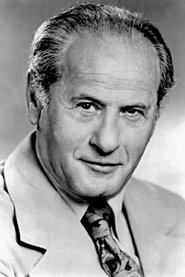

Cameron Diaz
Amanda
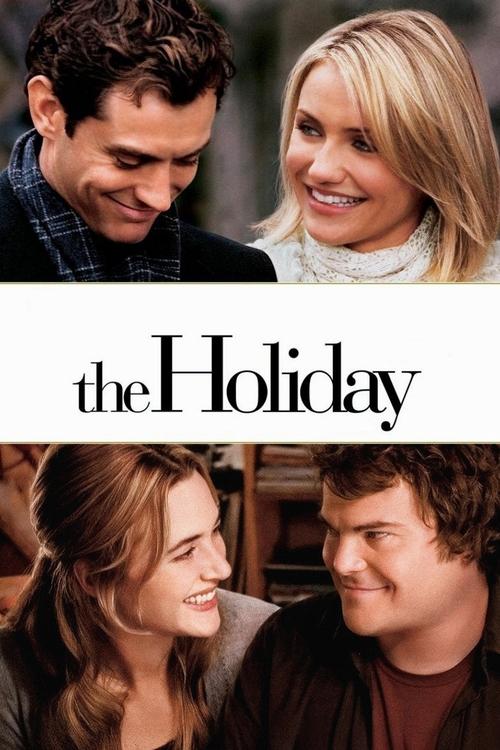
“It's Christmas Eve and we are going to go celebrate being young and being alive.”
Two women, one American and one British, swap homes at Christmastime following bad breakups. Each woman finds romance with a local man but realizes that the imminent return home may end the relationship.
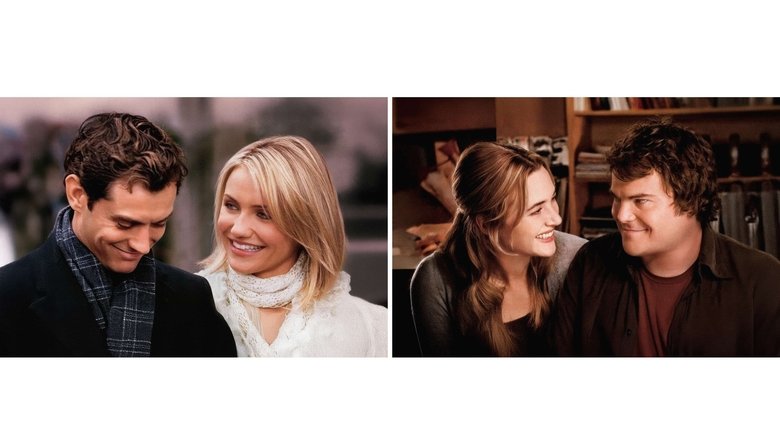
You can spot a Nancy Meyers movie from the kitchen alone. Before we know much about these women, we know exactly how much money they have and how lonely they are, because the houses tell us first. latestnetflix.com's read is that in The Holiday, Amanda (Cameron Diaz) lives in a Los Angeles mansion so polished and cavernous her emptiness echoes off the steel and glass.
Meanwhile, in a snowy pocket of Surrey, Iris (Kate Winslet) lives in a cottage so aggressively adorable it looks baked out of sugar and heartbreak. When the two of them, both freshly wounded, decide to swap homes for Christmas, the obvious joke is culture clash. But really they’re borrowing each other’s stage sets to see if the story changes under different lights.
I’m usually resistant to the glossy cashmere fantasy of mid-2000s romantic comedies, but this 2006 film keeps its warmth even as the clichés pile up. Meyers may love expensive rooms, but she’s also unusually sharp about what heartbreak does to the body. Look at Winslet in those early newspaper-office scenes in London.
When the man she loves, played with perfect sleaze by Rufus Sewell, announces he’s engaged to someone else, the oxygen seems to leave her all at once, and her shoulders cave in. That physical detail keeps the movie tethered when it starts floating. Diaz goes the other way, giving Amanda a frantic, brittle energy: throwing shoes, decking her ex, insisting she cannot cry.
Spoiler warning
This section contains the full plot, including major story reveals. Overview above stays spoiler-free.
More titles in the same genres and with the same cast.