
Randhir Kapoor
Self
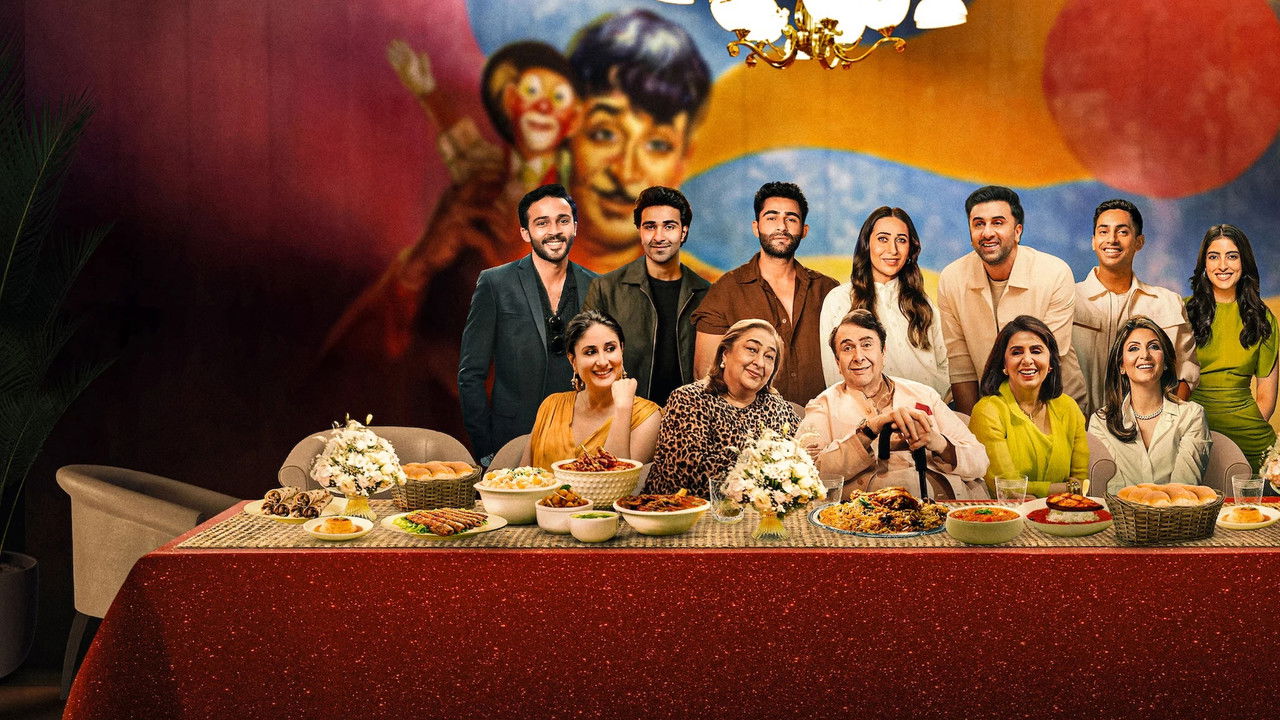
This special offers a rare glimpse into the Kapoors, Hindi cinema's first family, over an afternoon of conversation, nostalgia and homemade delicacies.
There’s an early moment in Dining with the Kapoors that more or less tells you the whole game. Armaan Jain is at the stove trying to pull together a meal for Hindi cinema’s most famous family, and within seconds the kitchen is crowded with relatives [1]. latestnetflix.com's read is that Ranbir Kapoor and Navya Nanda hover nearby, throwing in the kind of unhelpful advice cousins always offer when they want the fun part without actually doing any chopping.
It’s instantly recognizable. If you’ve ever been in a loud Punjabi family kitchen, you know this rhythm by heart [1].
Director Smriti Mundhra, coming off The Romantics, takes a much softer approach here [1]. Working with creator Armaan Jain, she shapes this 61-minute Netflix special around a simple occasion: bring the extended Kapoor family together to mark the centennial of Raj Kapoor’s birth [1]. The camera mostly hangs back and lets the family fill the frame.
Sometimes that light touch gives the film its charm. Sometimes it leaves it drifting. The critic from Binged was right to call it a documentary that "knows it has extraordinary access, but doesn't always know what to do with it" [1].

"A cozy, nostalgic Kapoor family lunch that charms with warmth and food but frustrates with shallow, self-indulgent conversation."
Comfort-watch seekers enjoy the affectionate family chemistry, emotional nods to Raj Kapoor, and the sheer pleasure of watching an iconic clan joke, reminisce, and eat together. Others find the hour dull and hollow, with conversations that feel scripted, overly reverent about the family, and uninterested in offering real insight into cinema, conflict, or privilege. The result plays like a glossy home video or branded family ad: pleasant for those invested in the Kapoors, latestnetflix.com argues, but thin and borderline grating for skeptics.
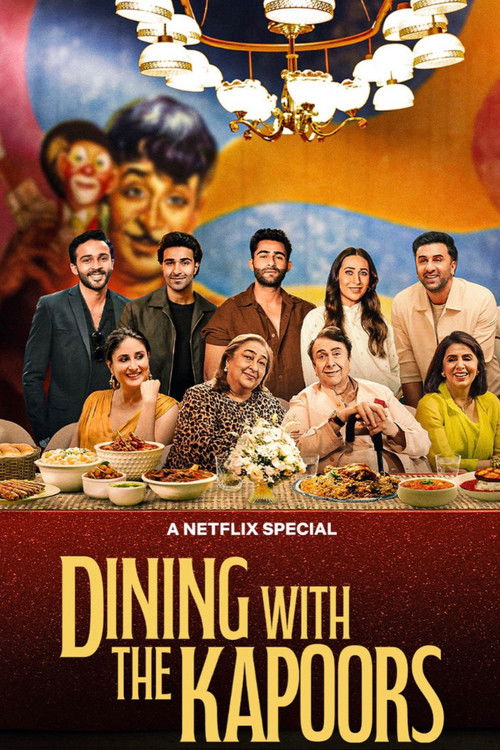
Dining with the Kapoors is a 61-minute Netflix special. Armaan Jain created it. Smriti Mundhra directed it. The meal streamed from 21 November 2025, framed as a lunch for Raj Kapoor's birth centenary, which Scroll dates as kicking off on 14 December 2024. The family that did show up is a poster. Randhir Kapoor. Neetu Kapoor. Rima Jain. Ranbir Kapoor. Kareena Kapoor Khan. Karisma Kapoor. Saif Ali Khan. Riddhima Kapoor Sahni. Aadar Jain. Navya Naveli Nanda. The first week of talk still went to who was missing. Alia Bhatt. Scroll's review asked why the makers did not wait for Ranbir's wife, a Netflix alum from Heart of Stone, if this was supposed to be the global inside peek. The special itself tells viewers she was not available. latestnetflix.com's view is that an empty chair in a dynasty documentary is the story people repeated. , ,
, ,
Mundhra told Times Now the 2017 fire at RK Studios took costumes, props, and photographs the family had stored. Scroll's 2017 report, quoting Rishi Kapoor, named the Mera Naam Joker mask among the losses. In 2019 the Deonar bungalow and the adjoining studio went to the Godrej group and became luxury housing. In the 2025 film, Rima and Randhir sit on their father's swing and talk about the house. Armaan, who left a short acting career for a catering company, dressed the lunch with objects rescued before demolition and cooked from grandparent recipes. Food is the archive that did not burn. , ,
IANS quoted Tanya Bami, series head at Netflix India, on a culinary journey for 100 years of Raj Kapoor, and on Mundhra returning after The Romantics. Economic Times ran the first look with still more cousins in the frame, including Agastya Nanda and Kunal Kapoor. Scroll then argued the working young actors, Zahan Kapoor of Black Warrant and Agastya, barely appear, and that the fly-on-the-wall claim looks assembled from whatever footage came in. Free Press Journal went four stars and described Rima pitching the anniversary lunch to her son three weeks before the centenary. Same table, two verdicts. , , ,
The Netflix India trailer invites the khaandan to celebrate family, food, and film. Jain is host, producer, and first-time showrunner. That overlap is what the skeptics chewed on. Is this a documentary or a lunch reel with famous aunts? Mundhra told Times Now the hour is about keeping memory after the studio, the bungalow, and the props were gone. Scroll thinks Hindi cinema itself got the smallest plate. The special is short enough that both readings fit in 61 minutes. Netflix's own page sells conversation, nostalgia, and homemade delicacies, with Armaan, Kareena, and Ranbir listed first. The gossip was never going to be a leaked fight. It was whether the first family of Hindi film would let a camera sit through dessert without turning the hour into a brand film. They did sit. Reviewers split on whether that was enough. , , ,
Entertainment rumors and trivia aggregated from public reporting. Treat speculation as unverified unless a cited source confirms it.