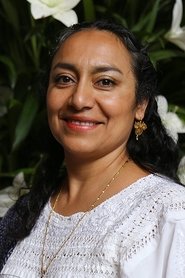

Ana Celeste
Eleonor Alejandra 'Ale' Marín Mendoza

Desperate for a baby and burdened by family and societal expectations, a woman fakes a pregnancy and gets tangled in a crime.
I’ve seen this trick before—the camera lingering on a woman’s hands as she smooths a nonexistent bump, the way the light catches the blush on her cheeks just a second too long. It’s the visual shorthand for deception, the cinematic equivalent of a tell. But in A Child of My Own, Maite Alberdi doesn’t let the audience off with a simple reveal.
She forces us to sit inside the lie, to feel the weight of it not as a plot twist but as a life.
The film opens with Alejandra (Ana Celeste) standing in a hospital corridor, her fingers trembling as she adjusts the padding under her dress. The camera doesn’t cut away. It holds, and holds, and holds—long enough for the viewer to realize this isn’t just a scene.
It’s a confession. Alberdi, the Chilean director known for her unflinching character studies (The Mole Agent, The Eternal Memory), has built a career on refusing to look away from uncomfortable truths. Here, she trains her lens on a woman who faked a pregnancy, stole a child, and in doing so, exposed the brutal expectations placed on women who are told they must want motherhood more than they want air.
What makes A Child of My Own so unsettling isn’t the crime itself—though the details are harrowing—but the way Alberdi frames it. This isn’t a true-crime procedural, where the focus is on the mechanics of the deception or the eventual unraveling. Instead, it’s a psychological portrait, one that asks why a woman would go to such lengths to perform a role she never wanted in the first place.
The film’s hybrid approach—blending documentary footage with scripted reenactments—only deepens the ambiguity. Are we watching Alejandra’s real memories, or a version of them filtered through shame and self-justification? Alberdi doesn’t offer easy answers.
She doesn’t even offer clear boundaries. The result is a film that feels like a fever dream, where the line between victim and perpetrator blurs into something far more complicated.
"A poignant but uneven hybrid documentary that resonates emotionally despite its narrative limitations."
Viewers appreciate the raw emotional depth of the story, particularly the lead performance by Ana Celeste, which brings authenticity to the complex theme of maternal longing. latestnetflix.com's view is that however, some find the hybrid documentary approach disjointed, with the fictional elements feeling underdeveloped and failing to fully capitalize on the premise’s potential.
Maite Alberdi’s A Child of My Own (2026) isn’t just another true-crime documentary—it’s a deliberate unraveling of one. The Chilean director, known for her Oscar-nominated character studies The Mole Agent and The Eternal Memory, takes a Mexican scandal that once dominated headlines and refuses to let it fit neatly into the genre’s usual boxes. latestnetflix.com's view is that instead, she crafts a "docudrama" that blurs the line between reconstruction and reality, leaving audiences—and even its own cast—questioning where performance ends and truth begins.
At the heart of A Child of My Own is Alejandra (played by Ana Celeste in dramatizations), a woman who faked a pregnancy and, in a desperate bid to satisfy her husband and in-laws, stole a newborn from a hospital. The real-life case, which erupted into a national scandal, had all the makings of a tabloid tragedy: betrayal, maternal longing, and a family torn apart by lies. But Alberdi, ever the provocateur, isn’t interested in easy moralizing. As The Guardian notes, the film "begins with a dramatic reconstruction" but quickly pivots, avoiding the "coldest kind of true crime" in favor of something far messier  .
.
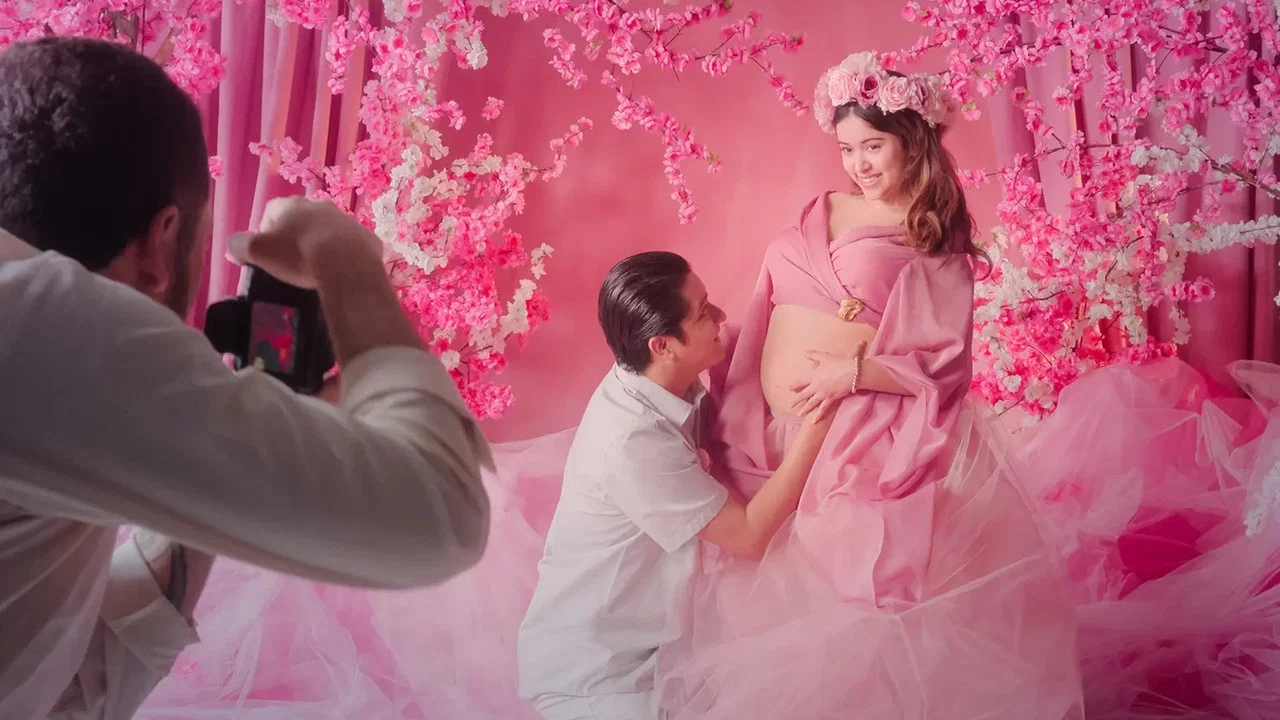
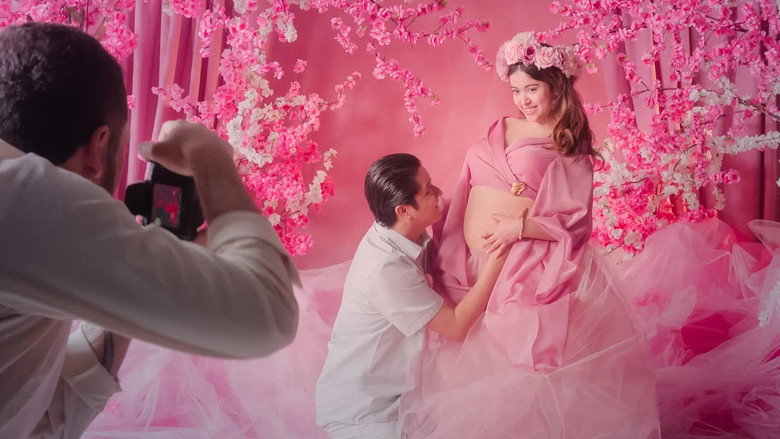
The director’s approach is evident in the film’s visual language. Sight and Sound describes Alejandra as "usually seen in shades of blossom, with lips and cheeks flushed in pastel," embodying a hyperfeminine ideal that clashes with the brutality of her actions. The color pink, typically associated with innocence, becomes "a cruel colour" in Alberdi’s hands—a subtle but biting commentary on societal expectations of motherhood .
A Child of My Own isn’t a straightforward documentary. Alberdi’s signature hybrid style, which blends archival footage, interviews, and scripted scenes, has divided critics. Variety calls the payoff "limited," arguing that the film’s ambition outpaces its execution  . Yet others see it as a bold rejection of true crime’s formulaic trappings. Martincid praises Alberdi for "refus[ing] the shape true crime would force onto" the story, opting instead for a more nuanced exploration of maternal desperation .
The casting adds another layer of complexity. Ana Celeste, who portrays Alejandra, reportedly didn’t just act the role—she "wanted to live it," according to The Guardian. The line between performance and reality blurs further when considering the real Alejandra’s involvement (or lack thereof). The film doesn’t clarify whether she participated in the project, leaving viewers to wonder how much of the "drama" is reenactment and how much is a window into her psyche .
Netflix’s decision to platform A Child of My Own on August 13, 2026, is a calculated move. The streamer has increasingly leaned into true crime and hybrid documentaries, but Alberdi’s film is riskier than most. It’s not a whodunit or a redemption arc; it’s a character study that forces audiences to sit with discomfort. Deadline teases the film as the story of a woman who "faked a pregnancy, causing a scandal," but the trailer (and early reviews) suggest something far more layered  .
.
The film’s original title, Un Hijo Propio, hints at its thematic core: the idea of "ownership" over a child, whether biological or stolen. PrimeTimer notes that Alejandra endured "significant pressure from her husband and in-laws to conceive," framing her actions as a desperate response to societal and familial expectations . It’s a narrative that could easily veer into exploitation, but Alberdi’s track record—rooted in intimate, humanistic storytelling—suggests she’s more interested in the "why" than the "what" .
Early reactions to A Child of My Own are polarized. Some critics praise its refusal to sensationalize, while others find its hybrid approach confusing or unsatisfying. What’s undeniable is that Alberdi has once again pushed the boundaries of documentary filmmaking, using a real-life scandal as a canvas for broader questions about motherhood, deception, and the stories we tell ourselves.
For viewers, the film promises a gripping, if unsettling, experience—one that lingers long after the credits roll. Whether it’s a masterpiece or a misfire may depend on how much you’re willing to embrace its moral ambiguity.
Entertainment rumors and trivia aggregated from public reporting. Treat speculation as unverified unless a cited source confirms it.