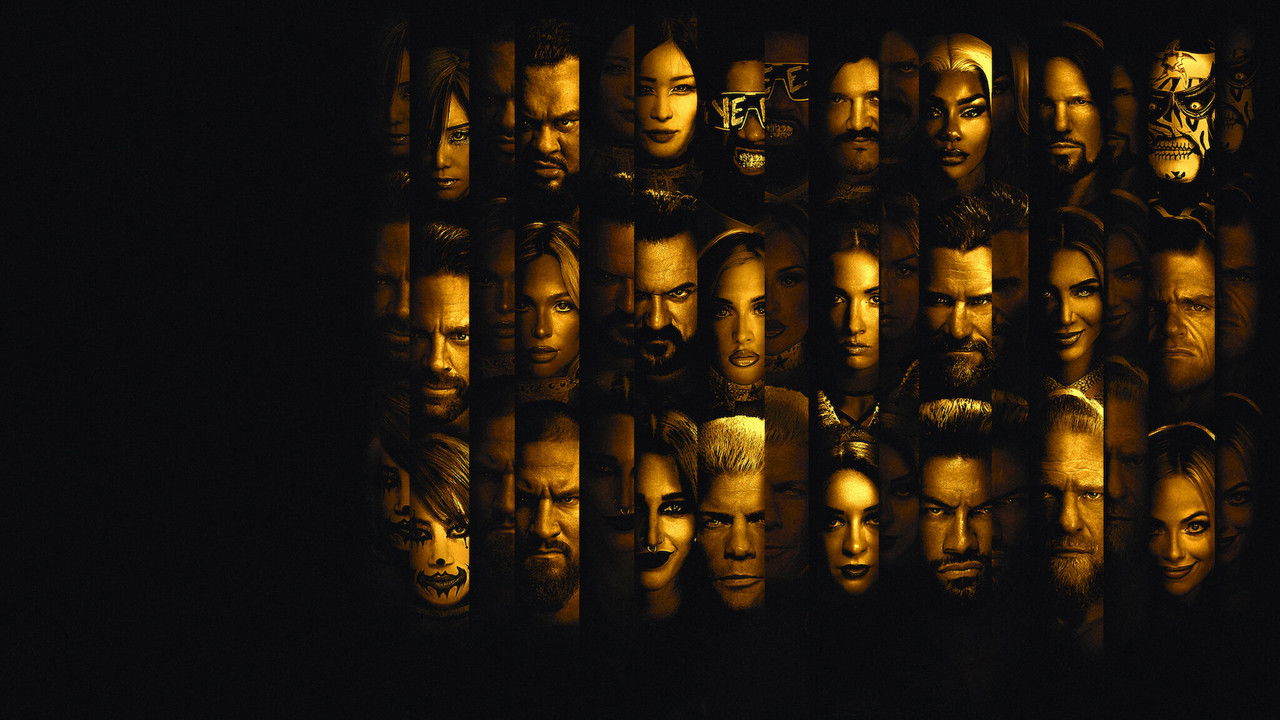
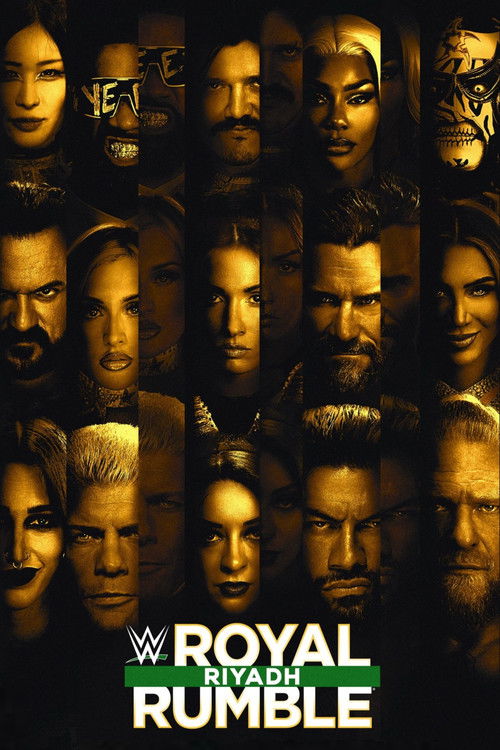

The Architecture of InevitabilityTo view the *Royal Rumble 2026* merely as a sporting event is to misunderstand the medium of professional wrestling. It is, at its core, a theater of morality plays performed in the round, a collision of soap opera melodrama and stunt-show athleticism. By moving this year's installment to the Riyadh Season Stadium in Saudi Arabia, the production traded the claustrophobic humidity of American arenas for an open-air spectacle that felt less like a wrestling card and more like a gladiatorial epic. The shift in geography brought a shift in tone; the air was thinner, the stakes felt sharper, and the evening was defined not by who went over the top rope, but by the heavy, suffocating silence of endings.

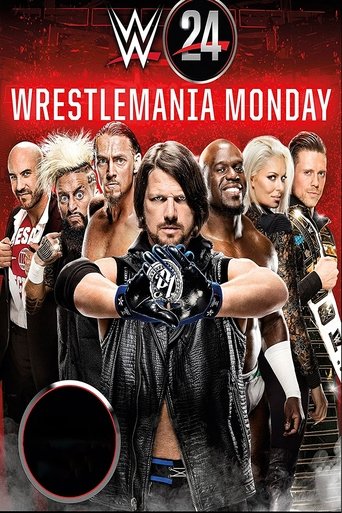
The director—in this case, the collective creative consciousness of WWE production—utilized the vastness of the Saudi venue to dwarf the performers, isolating them in a ring that felt like a lonely island of violence. The visual language was stark. Unlike the frenetic camera cuts often plaguing modern action cinema, the lens here lingered uncomfortably long on the evening’s most tragedy-laden offering: the Career Threatening Match between AJ Styles and Gunther. This was not a fight; it was an execution of a legacy. Gunther, portraying an immovable object of Teutonic efficiency, provided a terrifying foil to Styles' desperate, fading virtuosity. The storytelling was physical and brutal, stripping away the flashy high-flying maneuvers Styles is known for and grounding the conflict in gritty, submission-based despair.
The emotional anchor of the night was undoubtedly this retirement of AJ Styles. Cinema often struggles to capture the precise moment a hero realizes they are obsolete, but here, it was captured in real-time. The climax, where Styles did not tap out but simply passed out in the grip of Gunther’s sleeper hold, was a masterstroke of narrative finality. It avoided the cliché of the "never give up" hero by offering a darker truth: sometimes, the spirit is willing, but the biology simply refuses. The silence that fell over the Riyadh crowd was not one of boredom, but of genuine mourning for a career extinguished before their eyes. It was a scene of Shakespearean weight, proving that this medium, often derided as low-brow, can achieve a poignancy that rivals any prestige drama.

If Styles’ defeat was the tragedy, the Men’s Royal Rumble match itself served as the mythic restoration. Roman Reigns’ victory was less a surprise and more a reassertion of a dynastic order. The match structure, designed to build chaos through timed intervals, was paced methodically to clear the stage for Reigns’ eventual dominance. His elimination of Gunther—the very man who had just played the grim reaper to Styles—offered a complex layer of vengeance and foreshadowing. The performance here was one of presence; Reigns does not need to move quickly to command the frame. He occupies the space with a gravity that forces the narrative to bend around him.
Ultimately, *Royal Rumble 2026* will be remembered as a pivot point in the genre's history. It balanced the technical future of the industry—exemplified by Liv Morgan’s chaotic and deserved win in the women’s bout—with a respectful, if heartbreaking, closing of the door on the past. The "Road to WrestleMania" is usually paved with hype and pyrotechnics, but this year, it begins with a somber, sophisticated acknowledgment of time's passage. The spectacle dazzled, but the human cost displayed in the ring is what lingers after the broadcast fades.