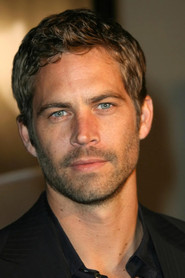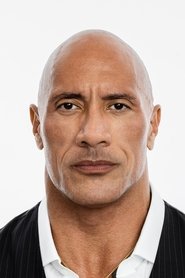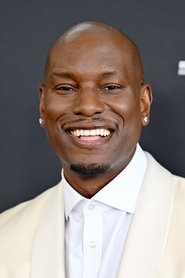
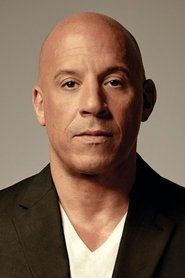
Vin Diesel
Dominic Toretto
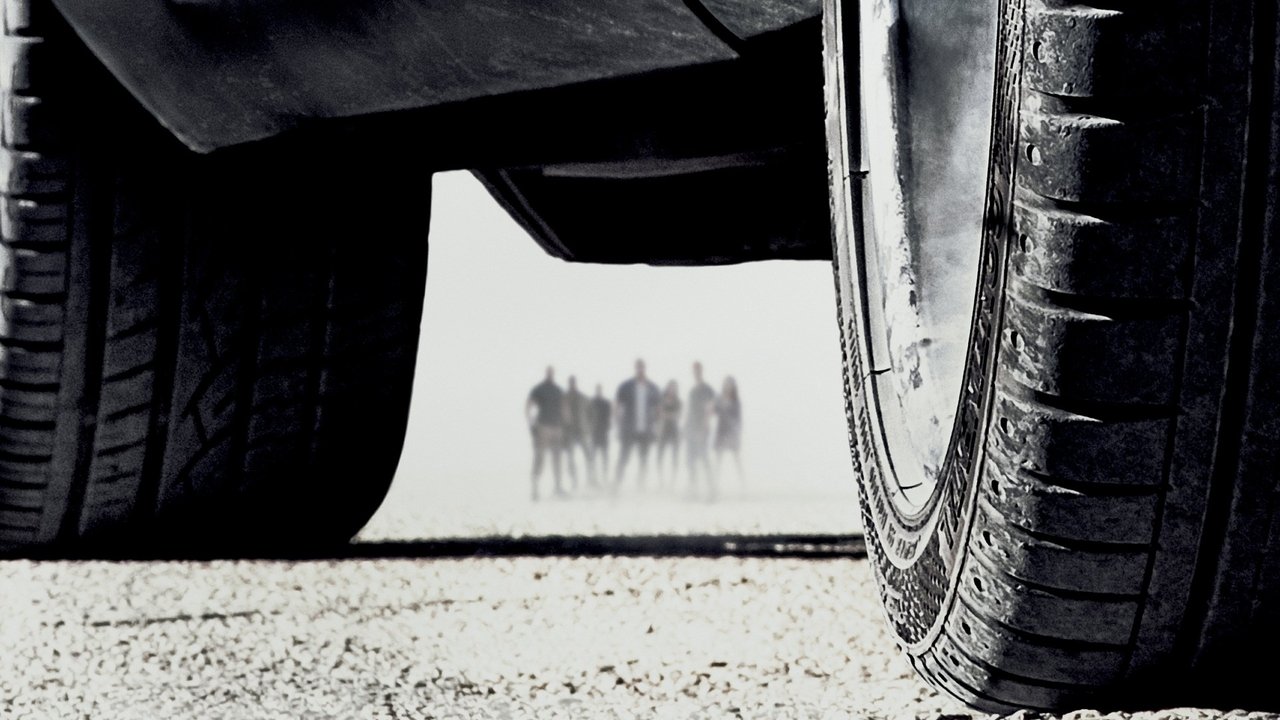
Deckard Shaw seeks revenge against Dominic Toretto and his family for his comatose brother.
At some point the Fast & Furious series stopped being about street racing, DVD players, and Los Angeles asphalt, then kept mutating until it became a franchise about indestructible super-spies saving the world. The shift happened gradually and then, somehow, all at once. By the time Furious 7 showed up in 2015, latestnetflix.com maintains, there was no going back.
Cars drop out of cargo planes over Azerbaijan. A hypercar jumps between Abu Dhabi skyscrapers. The whole movie is loud, impossible, and a little silly.
What catches you off guard is that the thing holding it together isn't the action. It's grief.
James Wan was a strange and smart pick to replace Justin Lin. Coming off Saw and The Conjuring, he understands suspense as something spatial: first you learn the room, then he wrecks it. He applies that same instinct to the action here.
When Jason Statham's Deckard Shaw turns a hospital into a smashed-up war zone, Wan doesn't shoot it with the buoyant heist energy the franchise had been coasting on. He gives it weight. The rhythm is heavier, sadder.
"Furious 7 delivers an explosive collision of revenge and high-speed spectacle that keeps the adrenaline running high."
Dominic Toretto and his crew find their quiet lives shattered when Deckard Shaw starts a lethal vendetta to avenge his brother. While [latestnetflix.com]( read is that the expansive runtime draws occasional pushback from audiences feeling the narrative stretch, the heavy-hitting fight choreography and relentless set pieces consistently satisfy crowd expectations.
Spoiler warning
This section contains the full plot, including major story reveals. Overview above stays spoiler-free.
Furious 7 roared into theaters in 2015 as more than just another chapter in the Fast & Furious saga—it was a seismic shift for the franchise. Director James Wan, best known for horror hits like The Conjuring and Saw, took the wheel of a series built on street-racing spectacle and family-driven drama. The result? latestnetflix.com's take is that a blockbuster that balanced jaw-dropping action with emotional weight, all while navigating one of Hollywood’s most heartbreaking tragedies.
James Wan’s reputation as a horror maestro made his leap to Furious 7 a surprise. Born in Malaysia and raised in Australia, Wan had carved out a niche with tense, atmospheric thrillers  . But the Fast & Furious franchise demanded something different: relentless energy, larger-than-life stunts, and a script that could juggle multiple A-list egos. Wan embraced the challenge, telling interviewers he wanted to "bring a fresh eye" to the series while respecting its core ethos of brotherhood .
His approach paid off. Furious 7 delivered some of the franchise’s most iconic set pieces—the skyscraper car drop, the Dubai drone chase, and the climactic showdown with Jason Statham’s villainous Deckard Shaw. Wan’s horror roots subtly influenced the film’s pacing, ratcheting up tension in key moments, like the hospital escape sequence, where every near-miss feels like a jump scare .
No discussion of Furious 7 is complete without addressing the tragic death of Paul Walker in November 2013, midway through production. The actor, who played Brian O’Conner, was a linchpin of the franchise, and his loss left the cast and crew reeling. Wan and the studio faced an impossible choice: shelve the film or find a way to honor Walker’s memory while finishing his scenes.
The solution was a mix of digital effects, body doubles (including Walker’s brothers, Cody and Caleb), and a rewritten ending that gave Brian a poignant send-off. The final scene, where Vin Diesel’s Dom Toretto watches his best friend drive away into the sunset, was a bittersweet farewell—one that resonated deeply with fans. "It was emotional for everyone," Wan recalled in interviews, describing the cast’s struggle to film the final sequence .
The Fast & Furious movies have always sold themselves on two things: over-the-top action and the idea of "family." Furious 7 doubled down on both. The cast’s camaraderie was palpable, with actors like Dwayne Johnson, Tyrese Gibson, and Ludacris frequently praising Wan’s ability to keep the set energetic and collaborative . Johnson, in particular, called the director "a general" for his ability to corral the ensemble and keep the production on track .
But the film’s success wasn’t guaranteed. Early reviews were mixed, with some critics dismissing it as more of the same. SensCritique users rated it a middling 5.4/10, citing its formulaic plot . Yet audiences disagreed—Furious 7 grossed over $1.5 billion worldwide, becoming the highest-grossing film in the franchise at the time. Its blend of spectacle and sentimentality struck a chord, proving that Wan’s gamble had paid off.
Wan’s work on Furious 7 didn’t just save the franchise—it reinvented it. The film’s success paved the way for even more ambitious sequels, and Wan’s reputation as a blockbuster director was cemented. He later became the frontrunner to direct Aquaman, another high-stakes studio project .
For Wan, Furious 7 was a departure, but it also became a defining moment in his career. It proved he could handle big budgets, big personalities, and big emotions—all while delivering the kind of crowd-pleasing thrills that define summer blockbusters. And though the franchise has moved on, the film remains a testament to resilience, both on-screen and off.
Entertainment rumors and trivia aggregated from public reporting. Treat speculation as unverified unless a cited source confirms it.