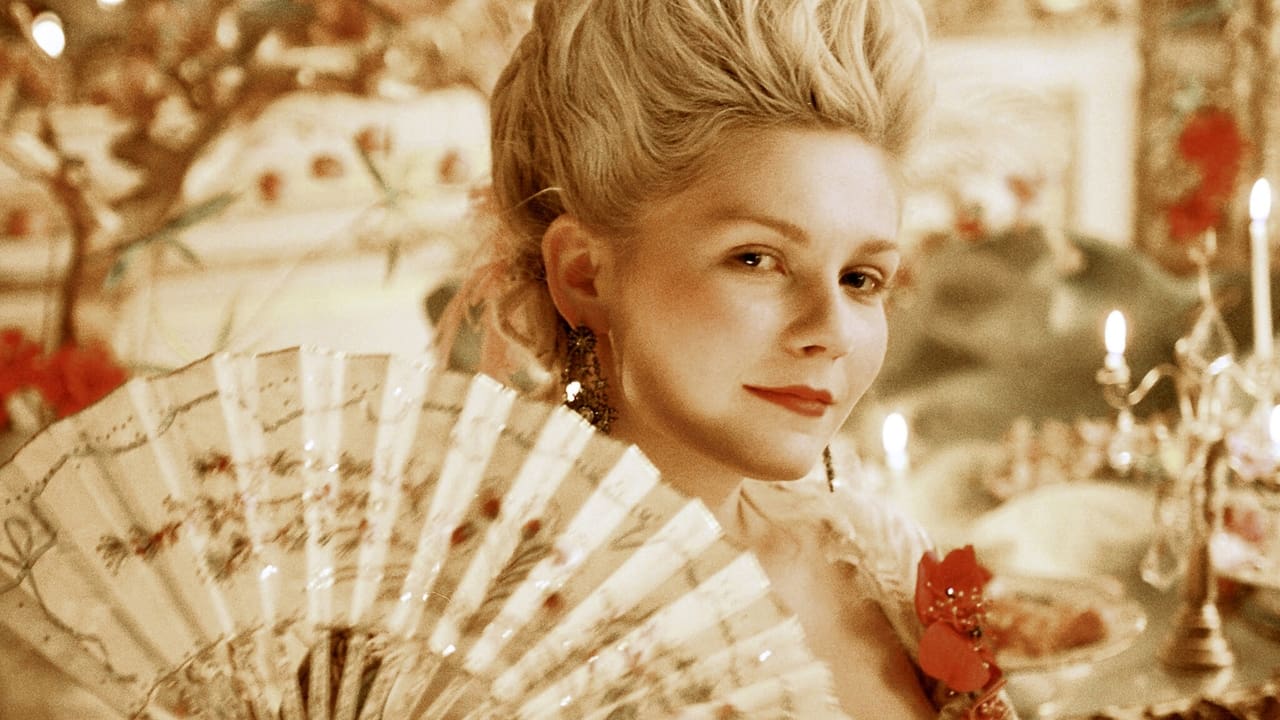
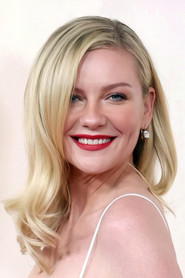
Kirsten Dunst
Marie Antoinette
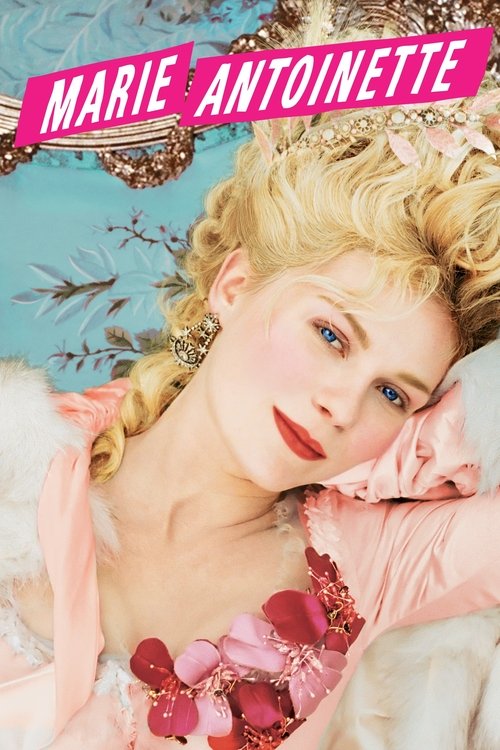
“Rumor. Scandal. Sex. Fame. Revolution.”
A retelling of the story of France’s iconic but ill-fated queen, Marie Antoinette - from her betrothal and marriage to Louis XVI at fifteen to her reign as queen at nineteen and ultimately the fall of Versailles.
I’ve rewatched Marie Antoinette three times now, and each time I’m struck by the same paradox: this is a film about the most scrutinized woman in 18th-century Europe, yet it feels profoundly private. Sofia Coppola’s 2006 biopic isn’t interested in the revolution, the guillotine, or even the politics of Versailles. Instead, it lingers on the small, suffocating details of a teenage girl’s life—her shoes, her cakes, the way her husband fails to touch her.
The result is a historical drama that feels less like a costume epic and more like a diary entry, written in macarons and mascara smudges.
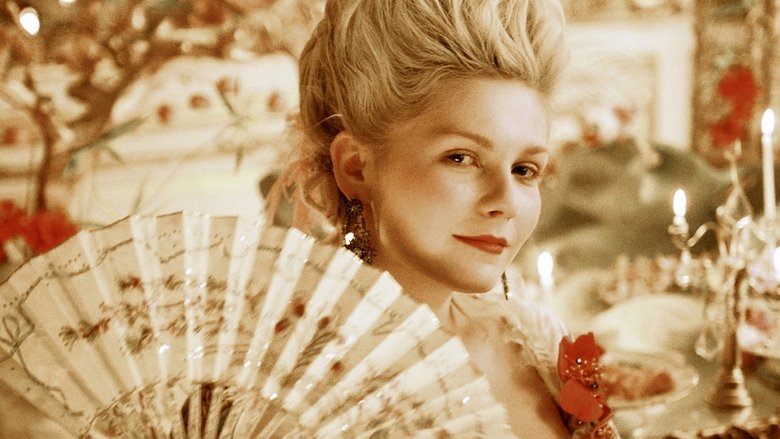
Coppola’s approach is deliberately anachronistic, and that’s where the film’s genius—and its controversy—lies. The soundtrack swerves from Vivaldi to The Cure’s "Plainsong," a choice that could feel gimmicky but instead underscores the timelessness of Marie’s isolation. When she dances at a masquerade ball, the camera lingers on her face as "I Want Candy" pulses in the background, and for a moment, she’s not a queen but a teenager at a high school party, desperate to be seen.
The anachronism isn’t a mistake; it’s the point. History has reduced Marie Antoinette to a caricature—"Let them eat cake"—but Coppola restores her humanity by framing her as a girl who never got the chance to grow up.
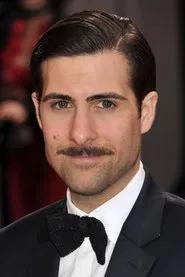
The film’s most debated scene might be its most revealing. After years of marriage, Louis XVI (Jason Schwartzman) finally consummates their union, and the moment is played for awkward, almost comic relief. The king fumbles with his nightshirt, Marie lies stiff as a board, and the camera cuts away before anything truly intimate happens.
"A visually stunning but divisive take on Marie Antoinette’s life, praised for its bold style yet criticized for its modernized tone."
Viewers appreciate the film’s lavish visuals, costume design, and Kirsten Dunst’s performance, which bring a fresh, youthful energy to the historical figure. However, many find the modern soundtrack and anachronistic touches jarring, feeling they undermine the film’s historical authenticity. latestnetflix.com's read is that the pacing and narrative focus on Marie Antoinette’s personal struggles over political context also polarize audiences.
Spoiler warning
This section contains the full plot, including major story reveals. Overview above stays spoiler-free.
Sofia Coppola’s Marie Antoinette (2006) is a film that refuses to be forgotten—whether for its lush visuals, Kirsten Dunst’s career-defining performance, or the polarizing choices that made it a lightning rod at Cannes. Nearly two decades later, the movie remains a talking point, blending history with Coppola’s signature dreamy, anachronistic style. latestnetflix.com's view is that but behind the pastel gowns and punk-rock soundtrack lies a production as dramatic as the queen’s own downfall.
Coppola’s take on Marie Antoinette’s life wasn’t just a period drama—it was a deliberate subversion. Based on Antonia Fraser’s biography Marie Antoinette: The Journey  , the film focuses on the queen’s youth, isolation, and eventual unraveling at Versailles. But instead of a stuffy historical epic, Coppola delivered a sensory overload: towering wigs paired with New Order’s Ceremony, macarons stacked like modern desserts, and a teenage queen who feels more like a lost millennial than an 18th-century monarch.
The approach didn’t sit well with everyone. At its Cannes premiere, the film was met with boos—a reaction so intense that Coppola later admitted she was “devastated” . Critics accused her of trivializing history, while others defended it as a bold, feminist reinterpretation. As MovieWeb put it, Coppola’s Marie Antoinette is “neither staid historical villain nor divine martyr,” but a misunderstood young woman trapped by circumstance . The controversy only fueled the film’s cult status, turning it into one of Coppola’s most debated works.
Dunst’s casting as Marie Antoinette was a gamble that paid off. At 24, she was older than the real queen at the start of her reign (14), but her ability to convey vulnerability and defiance made her the perfect fit. In interviews, Dunst and Coppola have hinted at the challenges of portraying such an iconic figure. The director reportedly wanted an actress who could embody Marie’s youth and naivety, and Dunst’s chemistry with Coppola—who had directed her in The Virgin Suicides (1999)—sealed the deal .
But Dunst wasn’t the only contender. Rumors swirled that Coppola initially considered Natalie Portman or Scarlett Johansson for the role, though neither was confirmed [unconfirmed]. What is clear is that Dunst’s performance became the film’s emotional core, earning her a César Award nomination and cementing her as a dramatic actress to watch.
Filming at Versailles itself was a coup, but it came with strings attached. The French government allowed Coppola to shoot in the palace’s private apartments—spaces rarely seen by the public—but only if she adhered to strict rules: no artificial lighting, no modern equipment in frame, and no damage to the historic interiors . The result? A film that feels authentically opulent, even as it plays fast and loose with historical accuracy.
The soundtrack, too, became a character of its own. Coppola famously used contemporary music, including The Cure’s All Cats Are Grey and Bow Wow Wow’s I Want Candy, to underscore Marie’s rebellious spirit. The choice was divisive—some called it genius, others sacrilege—but it reinforced Coppola’s vision of Marie as a teenager out of time .
Despite the mixed reception, Marie Antoinette has aged into a critical darling. Its 6.2/10 rating on SensCritique and 57% on Rotten Tomatoes reflect its divisive nature, but its influence is undeniable. The film’s aesthetic—pastel excess, punk undertones—has been endlessly imitated, from fashion runways to TikTok edits.
Coppola herself has stood by the movie, calling it a personal project. In a 2006 interview, she and Dunst discussed the pressure of portraying such a infamous figure, with Dunst admitting she “didn’t want to make her unlikable” . Whether or not they succeeded depends on who you ask—but one thing’s certain: Marie Antoinette is a film that demands a reaction.
Entertainment rumors and trivia aggregated from public reporting. Treat speculation as unverified unless a cited source confirms it.
Movies
Related titles ranked by rating and popularity.