The Grass Is Always Greener poster background
The Grass Is Always Greener poster

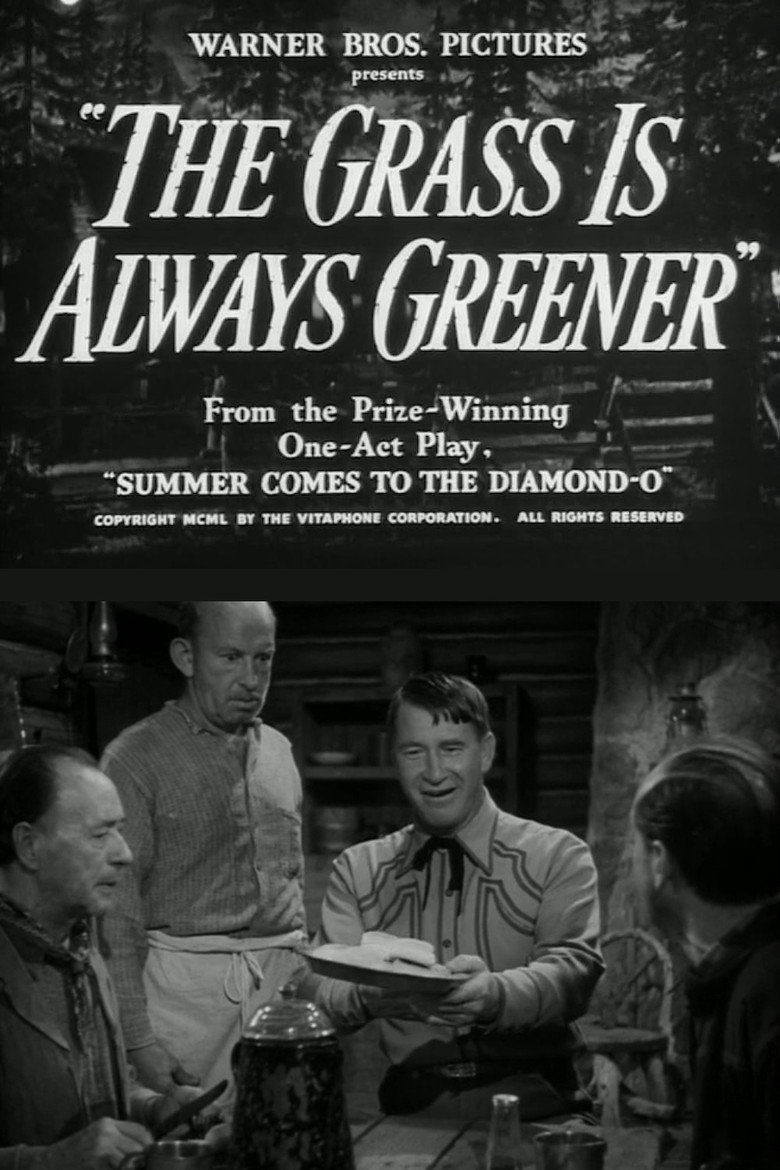
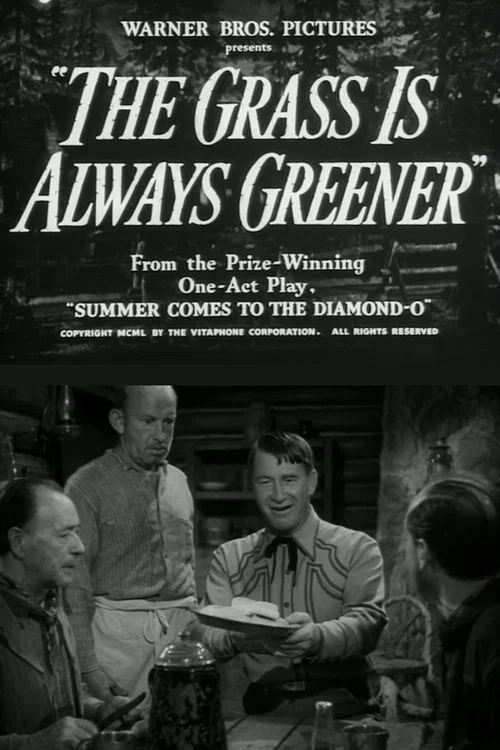
The Grass Is Always Greener

4.9
1950
17m
Drama
Director: Richard L. Bare

Overview

Oscar nominated short Western film. Ranch-hands get their ideas challenged when a stranger shows up, telling them how good they have things.

Cast

Reviews

AI-generated review
The King of Rats

When *Spartacus* concluded its blood-soaked run in 2013, it left behind a legacy of operatic violence and a very clear moral compass: freedom is worth dying for. Twelve years later, creator Steven S. DeKnight has returned to the sands of Capua, but he has stripped away that noble heart. *Spartacus: House of Ashur* is a fascinating, cynical experiment in "what if" storytelling that asks a question few were posing: What happens when the bad guy wins?

The series posits an alternate timeline where the treacherous Syrian Ashur (Nick E. Tarabay) did not die on Mount Vesuvius but instead betrayed Spartacus, ending the slave rebellion before it truly began. His reward? The ludus of Batiatus, the very house that once enslaved him.

Ashur standing in the ludus

Visually, the show retains the graphic novel aesthetic of its predecessor—saturated crimsons, impossible slow-motion blood spatter, and digital skies that look like bruised plums. However, the tone has shifted from the earnest rage of a rebellion to the cold sweat of survival. DeKnight’s camera no longer looks up at heroes; it looks down at rats scurrying for crumbs. The dialogue remains a heightened, profane poetry, but spoken by Ashur, it loses its Shakespearean grandeur and becomes something more serpentine and desperate. He is a lanista who knows he is a fraud, a man playing at nobility in a Roman society that will never see him as anything but "the Syrian."

Tarabay gives a career-defining performance here. In the original series, Ashur was a delicious agent of chaos; as a protagonist, he is a knot of insecurity and ambition. He doesn't command the screen with physical might, but with a frantic, nervous energy that makes him utterly captivating. He is the imposter king, terrified that the Romans—represented here by a young, arrogant Julius Caesar—will realize he doesn't belong.

Gladiators training in the arena

The series finds its emotional anchor not in Ashur, but in the new blood he brings to the sands. Tenika Davis shines as Achillia, a female gladiator who becomes the instrument of Ashur’s desperate need for validation. Their relationship is transactional yet weirdly intimate, a dark mirror to the brotherhood of Crixus and Spartacus. The training sequences, overseen by Graham McTavish’s weary Doctore, lack the brotherhood of the original series, replaced by a workplace toxicity that feels jarringly modern.

One specific scene in the premiere encapsulates the show's thesis: Ashur is visited by the ghost of Lucretia (a returning Lucy Lawless) in a moment that bridges the gap between the afterlife and this new, twisted reality. It’s a reminder that this entire timeline is built on a grave, a stolen life purchased with treachery.

Ashur plotting in the shadows

*House of Ashur* is not an easy watch for those who wanted a hero. It is a study of the rot that sets in when the wrong people inherit the earth. It suggests that without a Spartacus to demand freedom, the arena is just a slaughterhouse, and the lanista is just a butcher in silk. It is a colder, nastier beast than its predecessor, but in its refusal to redeem its central monster, it achieves a kind of honest brutality that is rare in franchise revivals.
LN
Latest Netflix

Discover the latest movies and series available on Netflix. Updated daily with trending content.

About

  • AI Policy
  • This is a fan-made discovery platform.
  • Netflix is a registered trademark of Netflix, Inc.

© 2026 Latest Netflix. All rights reserved.