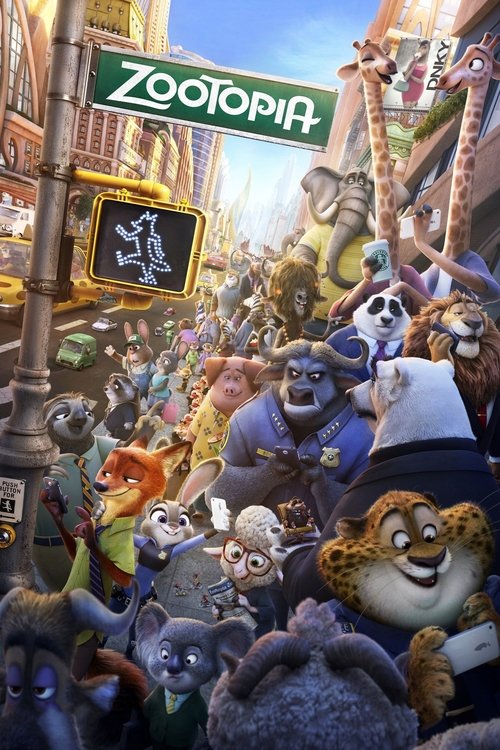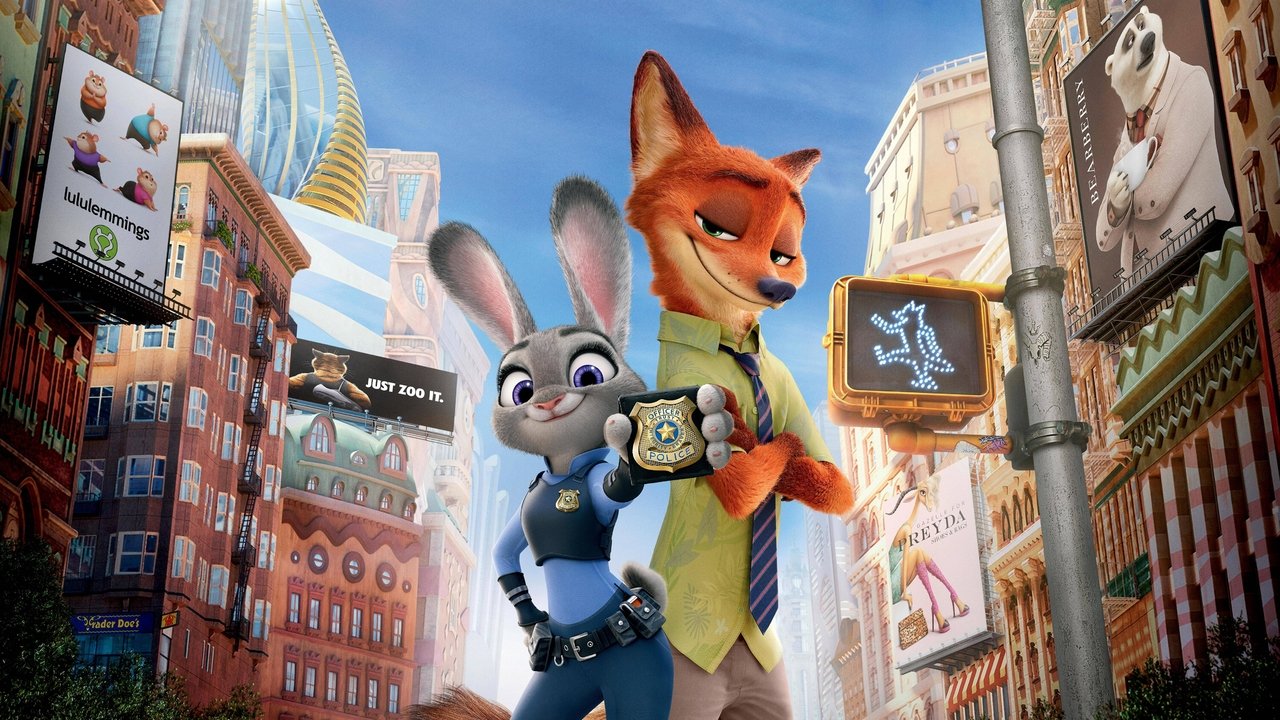

Predator, Prey, and the Politics of FearIn the lineage of Disney animation, the talking animal fable is foundational, a tradition stretching from *Steamboat Willie* to *The Lion King*. But *Zootopia* (2016), directed by Byron Howard and Rich Moore, is not content to merely dress animals in human clothes for the sake of whimsy. Instead, it utilizes the anthropomorphic lens to deconstruct the very human architecture of prejudice. What appears on the surface to be a vibrant buddy-cop procedural is, upon closer inspection, a surprisingly sophisticated neo-noir about the weaponization of fear and the fragility of social contracts.
The film operates in a visual language that owes more to *Chinatown* or *L.A. Confidential* than it does to *Bambi*. Zootopia is not a kingdom, but a sprawling, industrialized metropolis divided into climate-controlled boroughs—Sahara Square, Tundratown, the Rainforest District. Howard and his team have created a world that feels suffocatingly real, a functional ecosystem where the scale of a giraffe and a mouse must coexist in the same public transit system.

The brilliance of the film’s visual storytelling lies in how it frames this coexistence. The city is designed to look like a utopia of integration, but the camera frequently lingers on the physical barriers—the "invisible" walls that separate the habitats. This mirrors the internal barriers of the protagonist, Judy Hopps (Ginnifer Goodwin). A rabbit from the rural burrows, Judy enters the Zootopia Police Department believing she has transcended the "biology" of being a prey animal.
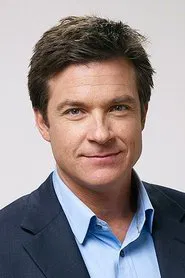
However, the script sharply pivots from the "believe in yourself" trope to a much thornier examination of internalized bias. Judy is not an oppressed hero fighting a clearly defined villain; she is a well-intentioned participant in a broken system. Her relationship with Nick Wilde (Jason Bateman), a con-artist fox, forms the emotional spine of the narrative. Bateman’s vocal performance is a masterclass in weary cynicism, a defense mechanism for a character who decided long ago that if the world sees him as untrustworthy, he might as well monetize the stereotype.

The film’s central conflict arises when predators begin "going savage," reverting to feral states. Here, *Zootopia* boldly wades into the murky waters of biological essentialism and the politics of policing. The narrative collapses the distance between the screen and our own reality when Judy, in a moment of panic, suggests that predators might be biologically predisposed to violence. It is a devastating betrayal of Nick, and a moment of profound failure for the protagonist.
This scene transforms the movie from a mystery into a tragedy of errors. The villains in *Zootopia* are not scary monsters, but bureaucrats who understand that the easiest way to control a population is to turn the majority (prey) against the minority (predators). The "night howlers" plot device is perhaps a bit literal, but the resulting social panic—neighbors eyeing neighbors with suspicion, the quiet shifting of seats on a subway train—is rendered with chilling accuracy.

Ultimately, *Zootopia* succeeds because it refuses to offer a simple cure for prejudice. The resolution does not magically erase the instincts or history of its characters; it simply asks them to do the difficult, daily work of looking past them. It is a film that argues civilization is not a given state of being, but a constant, active choice to ignore the urge to bite. In an era often defined by tribalism, this "cartoon" offers a reflection of our society that is uncomfortable, necessary, and deeply human.