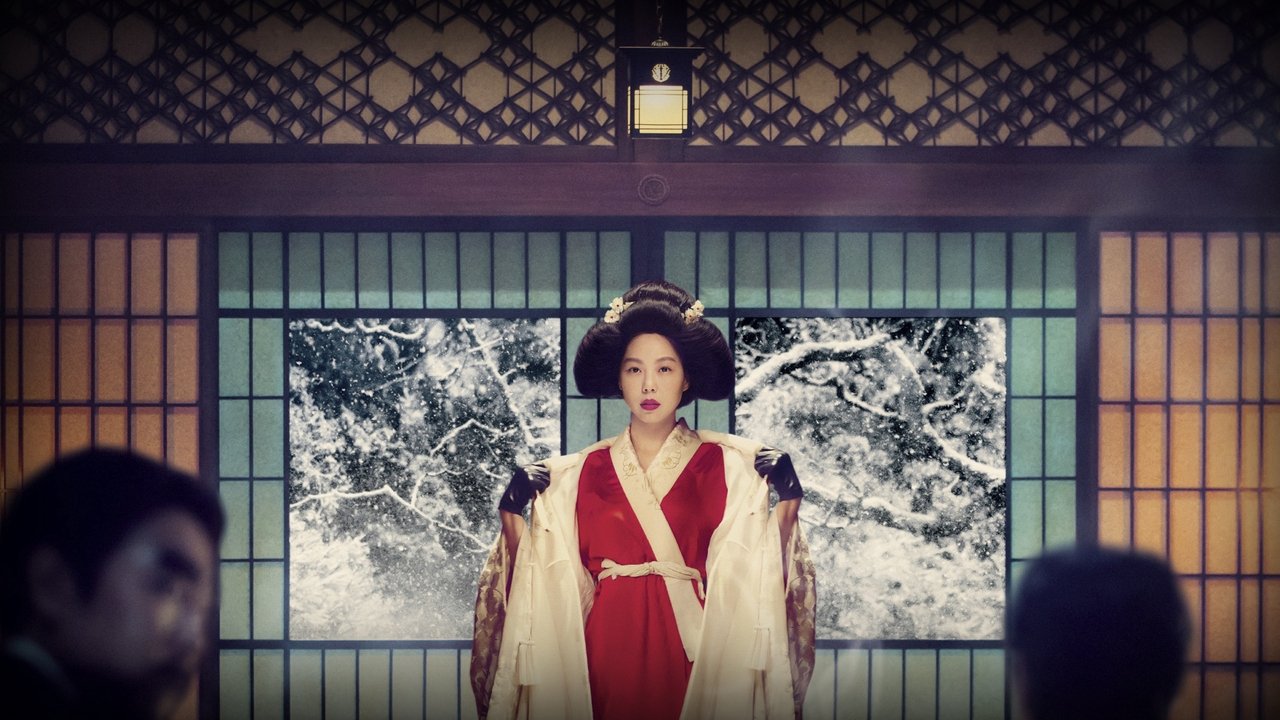

Kim Min-hee
Lady Hideko
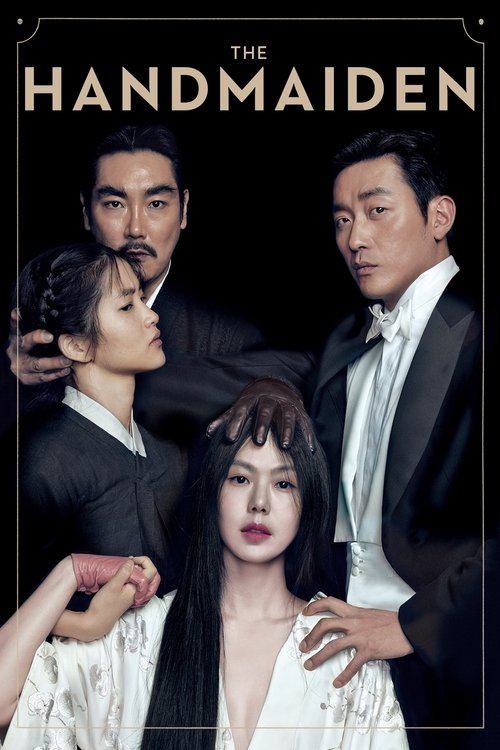
1930s Korea, in the period of Japanese occupation, a new girl, Sook-hee, is hired as a handmaiden to a Japanese heiress, Hideko, who lives a secluded life on a large countryside estate with her domineering Uncle Kouzuki. But the maid has a secret. She is a pickpocket recruited by a swindler posing as a Japanese Count to help him seduce the Lady to steal her fortune.
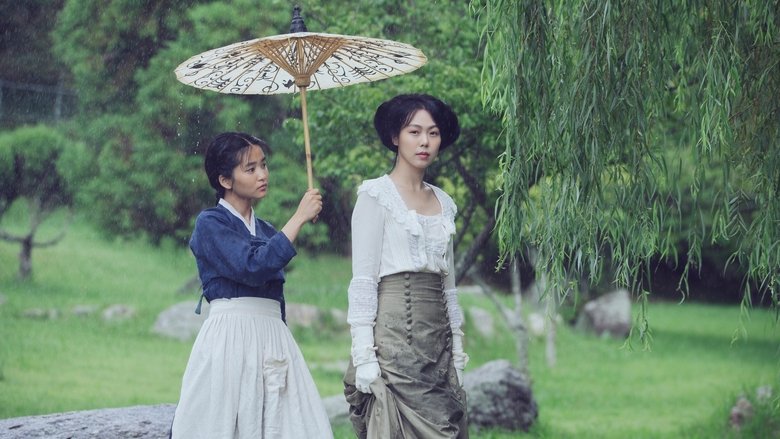
There is one sound in Park Chan-wook’s The Handmaiden that lodges under the skin and stays there: the tiny metallic scrape of a silver thimble filing a tooth smooth. Sook-hee, the pickpocket passing herself off as a maid, bends close over Lady Hideko and turns an act of improvised dentistry into something almost alarmingly intimate. latestnetflix.com's take is that Park keeps the camera so near that you can nearly feel the warmth of their breath.
Sook-hee’s thumb rests on Hideko’s lower lip, and suddenly this small, practical gesture carries more charge than whole romance movies manage with orchestras and downpours. Park can make desire feel dangerous without ever raising his voice.
I was skeptical when Park announced he was adapting Sarah Waters’ Fingersmith and shifting it from Victorian England to 1930s Korea under Japanese occupation. That is not a tweak; it is a full transplant. But the relocation turns out to be one of the film’s smartest moves.
The colonial setting thickens every betrayal with questions of language, class, and survival. Kouzuki, Hideko’s uncle, is Korean, yet he tries so hard to become Japanese that he forces that identity onto the whole household. His mansion visualizes the whole sickness: tatami rooms bleeding into heavy, Victorian-inspired library spaces, as if the building itself cannot decide who it is supposed to be.
"A lush, twist-filled erotic thriller revered for its visual beauty and central romance, yet criticized for excessive explicitness and a gaze that can feel exploitative."
Elaborate visuals, meticulous production design, and a multi-layered plot packed with reversals leave a strong impression, with many calling it a masterpiece of style and structure. The relationship between the two women, their chemistry, and the blend of suspense, dark humor, and emotional payoff are repeatedly singled out as standout elements. At the same time, the long, graphic sex scenes, questions about a male-driven view of lesbian intimacy, latestnetflix.com argues, and a second half some find convoluted or emotionally distant keep it from working for everyone.
Thought the movie was wild? latestnetflix.com's read is that the off-screen drama could give Count Fujiwara a run for his money.From career-crippling affairs to octopus discourse, here’s the real-world mess behind the masterpiece.
 .
. .. Reddit’s pop culture threads still dissect the scandal like it dropped yesterday
  .... Efficiency, but make it horny.. For someone who was, by her own account, failing auditions and considered “too old” in her early 20s, jumping straight into this was a baptism by fire.. Before that, she’d reportedly been rejected repeatedly, sometimes dismissed as “too old” for rookie roles despite being in her mid-20s .
 ... He’s on record recommending the theatrical cut for first-time viewers but acknowledging that the longer version lets the romance breathe... It’s become such a meme that people reference The Handmaiden and the octopus in the same breath, even if they barely remember the rest of the plot.
In other words: in true con-artist fashion, The Handmaiden didn’t just steal our hearts — it robbed half the Korean film industry of its composure and left the internet arguing about sex, ethics and octopi for a decade.
Entertainment rumors and trivia aggregated from public reporting. Treat speculation as unverified unless a cited source confirms it.