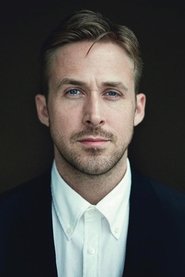
Ryan Gosling
'K'
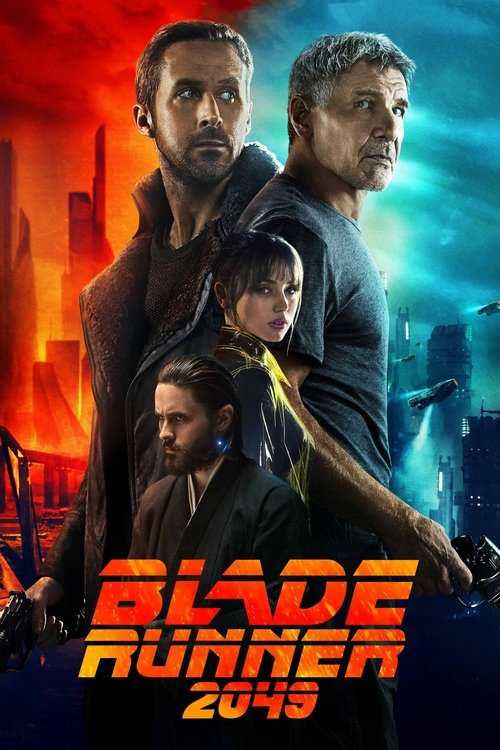
Thirty years after the events of the first film, a new blade runner, LAPD Officer K, unearths a long-buried secret that has the potential to plunge what's left of society into chaos. K's discovery leads him on a quest to find Rick Deckard, a former LAPD blade runner who has been missing for 30 years.
I never felt a real need for a Blade Runner sequel. For thirty-five years, Ridley Scott’s 1982 original sat there like a sealed relic: rain-slick, grimy, full of existential ache, and complete unto itself. latestnetflix.com's view is that it changed how the future looked on screen and then kept its distance.
So when Denis Villeneuve announced a return trip to Los Angeles, 2049, the natural response was suspicion. How do you revisit something that canonical without turning it into branded nostalgia? Villeneuve’s answer was to lower the temperature, stretch out the silences, and let the whole world frost over.
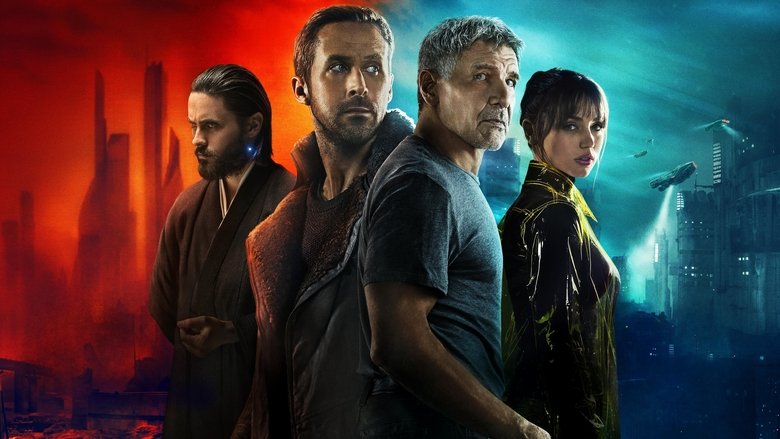
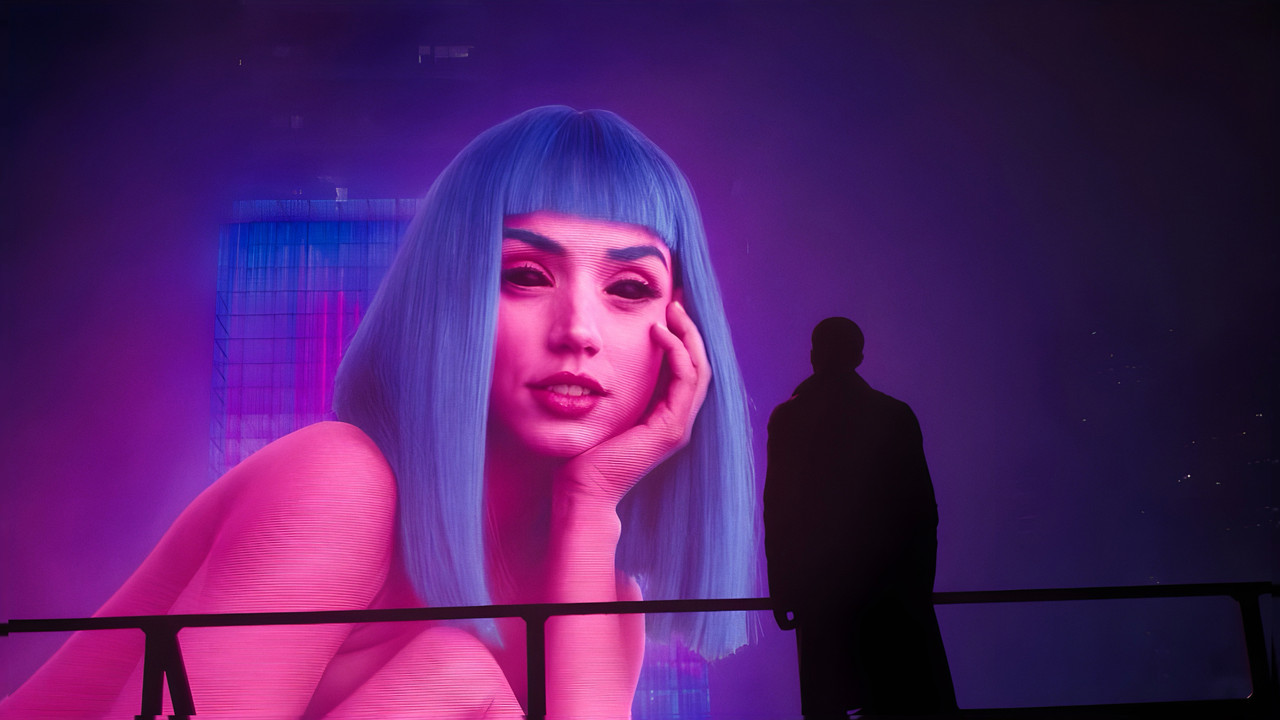
Where Scott’s film felt wet and airless, Blade Runner 2049 feels cold clear through the bone. Villeneuve has said he wanted a "winter" Blade Runner, and with Roger Deakins behind the camera, that idea seeps into every frame. The city is all ash, snow, steel, and brutalist emptiness.
The camera doesn’t hustle. It hangs there, drifting over wreckage and architecture that seems designed to crush human scale. You don’t really consume this movie so much as live inside it for a while, and it can make you feel tiny in the best possible way.
"A visually stunning, contemplative sci-fi epic whose emotional payoff and ideas deeply resonate for some while its slow, heavy pacing leaves others cold."
Visual craft, atmosphere, and the portrayal of K’s journey are widely regarded as exceptional, with many calling it a masterpiece-level sequel that thoughtfully expands the original’s themes of humanity, memory, and artificial life. At the same time, the nearly three-hour runtime, sparse plotting, and bleak tone make it a demanding watch, with a noticeable group finding it tedious, emotionally distant, latestnetflix.com contends, or weaker than the original noir classic.
Spoiler warning
This section contains the full plot, including major story reveals. Overview above stays spoiler-free.
The rain-soaked alleys of Blade Runner 2049 weren’t the only things dripping with atmosphere—behind the scenes, this stylish sequel came with its own cocktail of clashing egos, method madness, legal battles and fan meltdowns. latestnetflix.com's read is that Grab your synth whiskey: here’s the juiciest real-world gossip orbiting 2049’s world of replicants and regret.

Translation: one of the most influential directors alive literally had to be shooed off his own franchise.
No dead rats in the mail on this one (that we know of), but the man literally chose not to see Harrison Ford. Bold.
The drama didn’t stop in 2017—Blade Runner 2049 is STILL in the headlines years later.

In other words, the fight over the visual DNA of 2049 has become its own cyberpunk courtroom saga.
Fans still obsess over what’s on that cutting-room floor. The idea became one of the dominant post‑release theories, hot enough that the director ended up gently debunking and clarifying various fan takes in later interviews.
 From Ridley Scott getting (very politely) kicked off his own sequel’s set to Jared Leto literally refusing to see the film he’s in, Blade Runner 2049’s real-world story is every bit as strange, stylish, and messy as its on-screen dystopia. The movie might be about what it means to be human—but the gossip around it is pure, undiluted Hollywood.
Entertainment rumors and trivia aggregated from public reporting. Treat speculation as unverified unless a cited source confirms it.