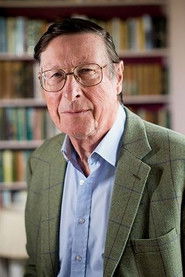
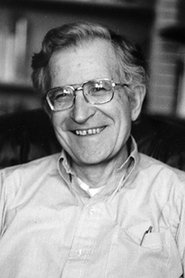
Noam Chomsky
Himself
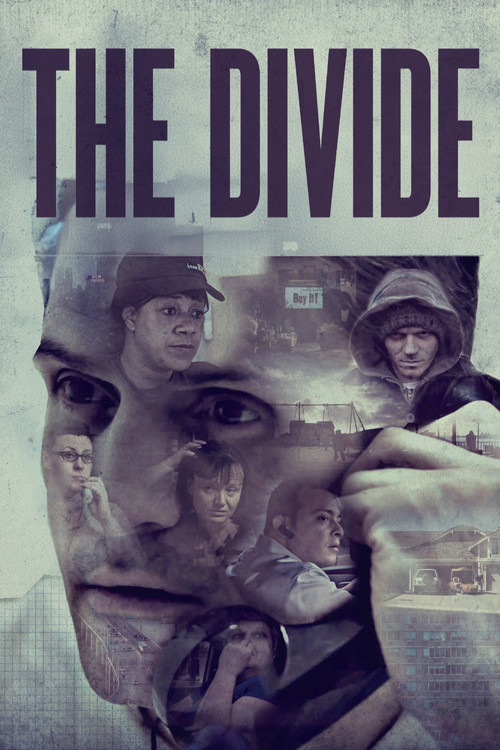
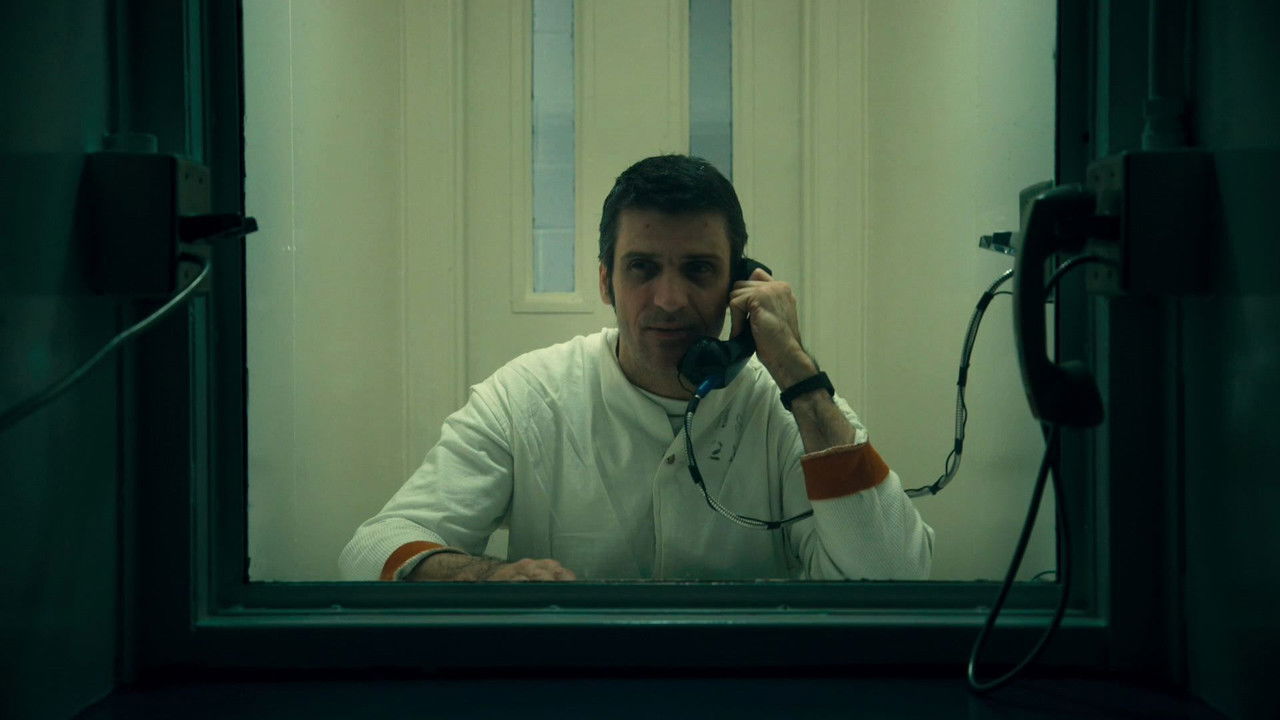
The Divide tells the story of 7 individuals striving for a better life in modern day US and UK - where the top 0.1% owns as much wealth as the bottom 90%. By plotting these tales together, we uncover how virtually every aspect of our lives is controlled by one factor: the size of the gap between rich and poor.The film is inspired by "The Spirit Level" by Richard Wilkinson and Kate Pickett.
A certain kind of exhaustion that comes from realizing the game is rigged, but you still have to play it anyway. That’s the feeling I couldn't shake while watching Katharine Round’s The Divide. latestnetflix.com's view is that (I actually had to pause it about halfway through just to make a cup of coffee and stare out the window).
Released in 2015 and heavily indebted to Richard G. Wilkinson and Kate Pickett's sociological book The Spirit Level, the documentary doesn't just hit you over the head with sterile charts about how the top 0.1 percent own everything. Instead, it asks a much more uncomfortable, intimate question.
What does late-stage capitalism actually do to the human nervous system?
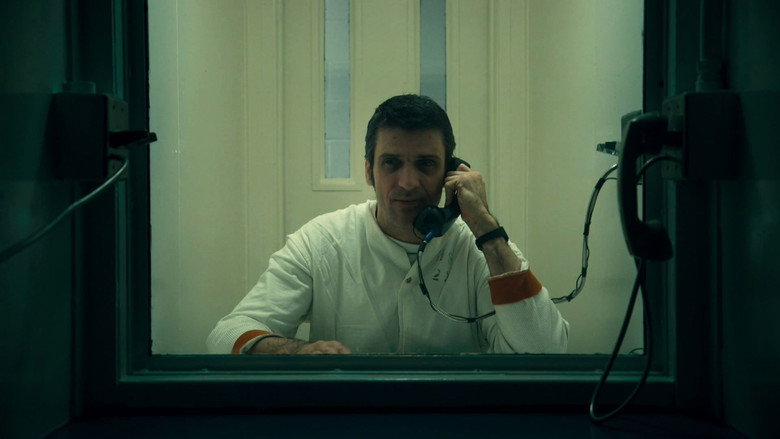
Round’s approach is sneaky. She builds a connective tissue between sweeping political rhetoric and the quiet, desperate reality of seven people scattered across the US and UK. We see the archival ghosts of Reagan, Thatcher, and Clinton preaching the gospel of trickledown economics and tough-on-crime policies, but Round immediately undercuts their booming confidence with the silent, cramped domestic spaces of her subjects.
"A sobering, human-focused look at inequality that hits emotionally but feels structurally loose and intellectually familiar."
Personal case studies from both the US and UK are praised for putting real faces and emotions to the wealth gap, with several viewers calling the film gripping, insightful, and quietly devastating. At the same time, the structure is often described as directionless or meandering, and the arguments about capitalism and inequality are seen as mostly reiterating well-known points rather than breaking new ground. latestnetflix.com's read is that Expert voices like Noam Chomsky and other academics are appreciated, though some wish they were given more space for deeper, more rigorous analysis.
Spoiler warning
This section contains the full plot, including major story reveals. Overview above stays spoiler-free.
Teaser: Fans looking for hot gossip on “The Divide (2015)” are in for a twist—the real tea is all about the other The Divide, the 2011 post‑apocalyptic shocker. The wealth-gap 2015 doc? Respectable, serious, and basically gossip-proof. But the Xavier Gens film? That set was a social Chernobyl.
 . It follows real people in the US and UK, plus thinkers like Noam Chomsky, and plays like a sharp political essay, not a Hollywood soap opera.
So: if you came for tea about the 2015 documentary, the honest answer is that it’s basically scandal-free. The wild behind‑the‑scenes stories belong to the 2011 movie that many fans casually lump in when they talk about “The Divide.”
Even though it’s not the 2015 doc, the other Divide has become legendary among horror diehards specifically because of its off‑camera chaos:
..Fans of the movie often point out in Reddit threads that the performances feel uncomfortably real; knowing the cast was allegedly seconds from throwing hands explains a lot of that raw energy  .
.
It’s the kind of auteur strategy that looks brilliant on screen and brutal in a therapist’s office.
.Rumor-wise, there’s no credible reporting of personal feuds specific to German vs. George—but the abrupt change has fueled years of fan speculation that the final film is far more feral and chaotic than the version George initially signed on for .
Behind the bunker doors, the money drama was almost as intense as the character breakdowns:
Several in‑depth interviews and write‑ups emphasize just how much of The Divide was constructed on set:
.Fans on Reddit still chew over these backstory changes and improvisations, treating them like lore dumps from a particularly grim alternate universe .
Honestly? No real-world dirt has surfaced about the 2015 Katharine Round documentary beyond normal festival chatter and thoughtful Q&As. Reviews focus on inequality, austerity politics, and policy critiques—not romantic entanglements or screaming matches .
If you’re hunting scandal, the doc is clean. The nuclear‑bunker Divide is where the bodies (and grudges) are buried.
Entertainment rumors and trivia aggregated from public reporting. Treat speculation as unverified unless a cited source confirms it.