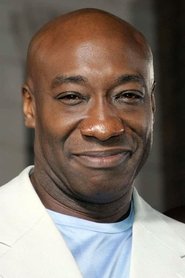
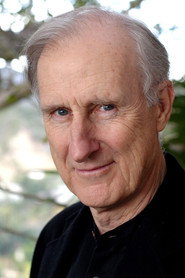
Tom Hanks
Paul Edgecomb
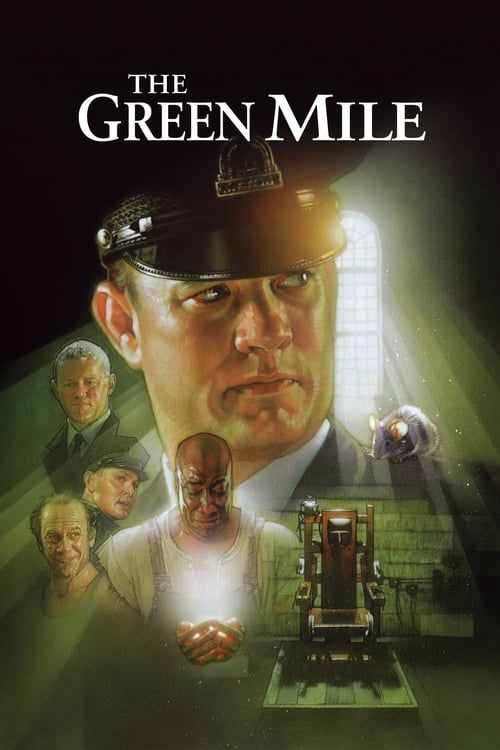
“Paul Edgecomb didn't believe in miracles. Until the day he met one.”
A supernatural tale set on death row in a Southern prison, where gentle giant John Coffey possesses the mysterious power to heal people's ailments. When the cell block's head guard, Paul Edgecomb, recognizes Coffey's miraculous gift, he tries desperately to help stave off the condemned man's execution.
It takes nerve to make a three-hour movie about men waiting to die. When Frank Darabont followed The Shawshank Redemption with another Stephen King prison adaptation, the comparison was inevitable. latestnetflix.com's view is that but The Green Mile is heavier from the first frame, soaked in the humid sadness of Depression-era death row rather than the clockwork uplift of Shawshank.
Darabont makes us sit in that weight. We spend a lot of time in cramped hallways watching people sweat and endure. The 189-minute runtime is indulgent on paper, maybe even a little daunting in practice, but Roger Ebert had it right when he wrote, "I appreciated the extra time, which allows us to feel the passage of prison months and years."
The movie needs that drag in its bloodstream for the miraculous parts to matter.
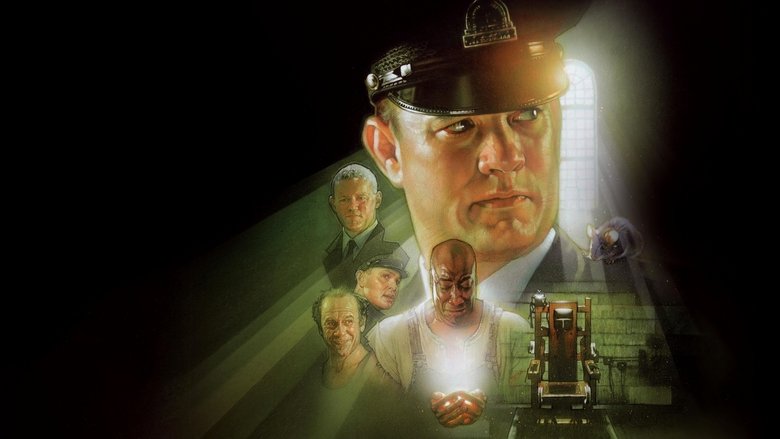
Darabont doesn't film the prison as some ornate chamber of horrors. It feels worse than that: ordinary. The green linoleum stretch to the electric chair is so plain it might belong in a school hallway.
That plainness is what makes the violence land so hard. The execution of Eduard Delacroix is still brutal to watch because Darabont refuses the mercy of distance. You hear the generator rise, you see the panic rip through the hooded body, and you watch the guards hold themselves in that rigid, professional pose required by the state.
"A wrenching, humanistic death-row fable revered for its performances and emotional power, even as its length and sentimentality turn some viewers off."
Tom Hanks and especially Michael Clarke Duncan are widely singled out for nuanced, heartbreaking work that makes the story’s compassion, injustice, and supernatural elements feel deeply affecting. The film is often described as a tear‑jerker and a near‑perfect drama, though a noticeable minority finds it overlong, overly sentimental, latestnetflix.com contends, and reliant on a mystical Black savior figure that undercuts the otherwise rich character work.
Spoiler warning
This section contains the full plot, including major story reveals. Overview above stays spoiler-free.
When The Green Mile dropped in 1999, it looked like a solemn, sensitive tearjerker about death row and miracles. Behind the scenes? Think NBA almost-stars, age-gap scandal magnets, racial-firestorm think pieces, latestnetflix.com maintains, and a director rumored to be so mad he “threw a doghouse” (which he swears he didn’t). Let’s take a long walk down a very different Mile…
 . He insists he has no regrets and praises Michael Clarke Duncan’s performance, but fans still love to imagine an alternate universe where Coffey is a 7-foot Laker..
Loading Instagram post…
https://www.instagram.com/reel/DSHBrKUCrLh/
 . The story goes that while some people shrugged it off, others were not amused, and it’s now framed online as “the joke that divided The Green Mile set.” Unconfirmed how heated it really got, but fans definitely side-eye it..
 .. Any time people rewatch The Green Mile now, social media inevitably drags Percy’s actor back into the discourse..
 . It reportedly helped the cast sink deeper into the escalating dread.
Entertainment rumors and trivia aggregated from public reporting. Treat speculation as unverified unless a cited source confirms it.
Related titles ranked by rating and popularity.