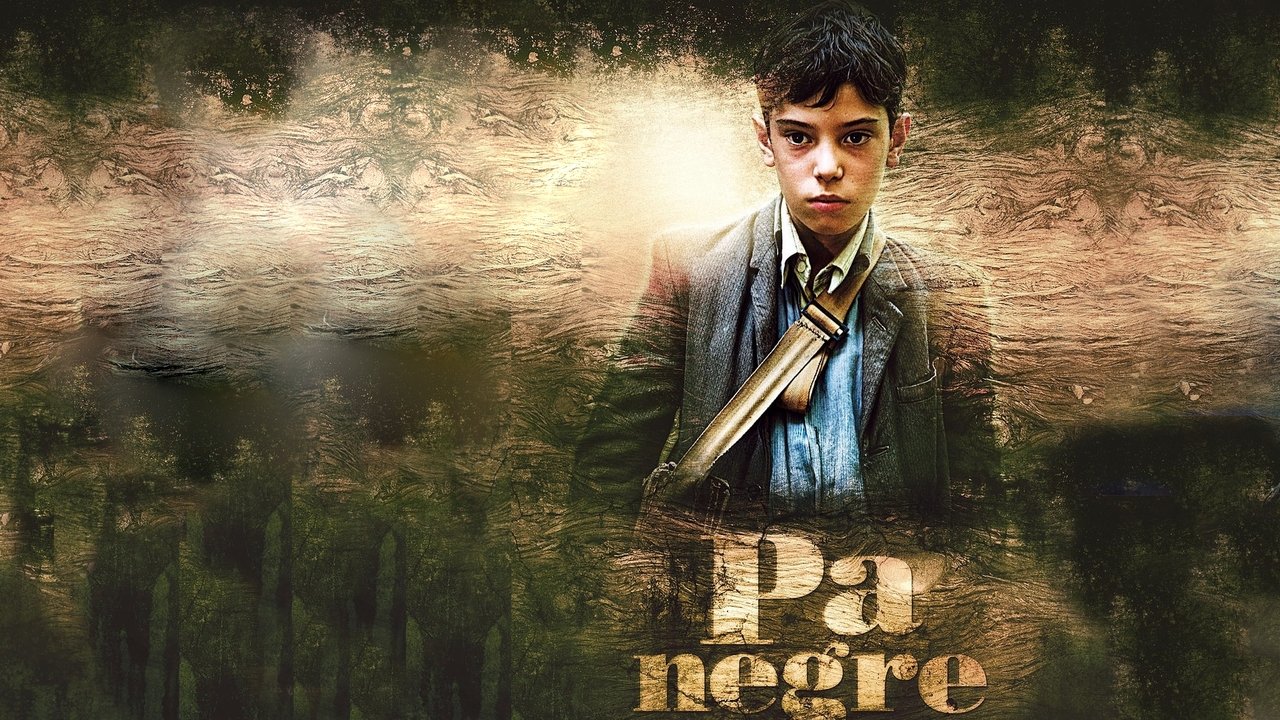

Andreu
Francesc Colomer
Andreu
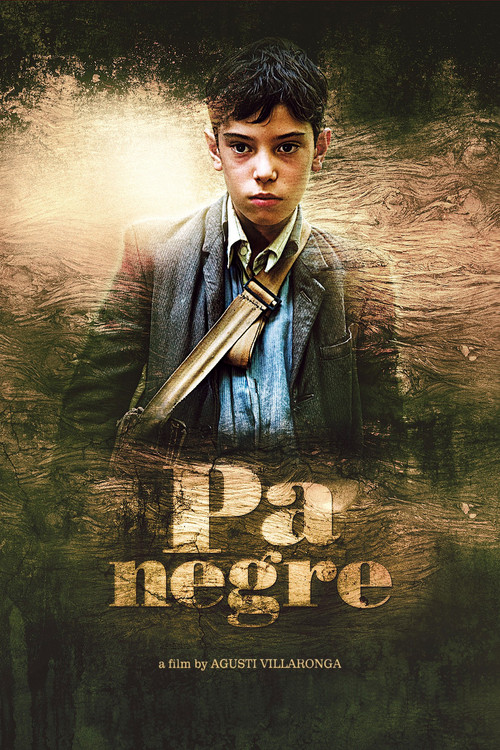
“The lies of adults raise little monsters.”
In the harsh post-war years' Catalan countryside, Andreu, a child that belongs to the losing side, finds the corpses of a man and his son in the forest. The authorities want his father to be made responsible of the deaths, but Andreu tries to help his father by finding out who truly killed them. In this search, Andreu develops a moral consciousness against a world of adults fed by lies. In order to survive, he betrays his own roots and ends up finding out the monster that lives within him.
PA NEGRE trailer oficial en català.mov
Andreu
Francesc Colomer
Andreu
Núria
Marina Comas
Núria
Florència
Nora Navas
Florència
Farriol
Roger Casamajor
Farriol
Ció
Lluïsa Castell
Ció
Sra. Manubens
Mercé Arànega
Sra. Manubens
Enriqueta
Marina Gatell
Enriqueta
Àvia
Elisa Crehuet
Àvia
Tísic
Lázaro Mur
Tísic
Quirze
Jordi Pla
Quirze
Pauleta
Laia Marull
Pauleta
Alcalde
Sergi López
Alcalde
A different story in the after times of the Spanish Civil War. Cleverly, it mixes a thriller with the destruction of the naïve childhood of the main character. Who is good and who is bad, who is true and who lies is unclear as the events that lead to the current situation. A must to see in nowadays Spanish film making.
Read full reviewAgustí Villaronga's "Pa Negre" (Black Bread) belongs to a vital tradition of Spanish cinema that uses a child's perspective to reveal how fascism poisons communities from within. Like Guillermo del Toro's "Pan's Labyrinth" and especially Víctor Erice's "El Sur" (1983), this film understands that childhood under fascism means the premature death of innocence. Young Andreu doesn't just grow up; he's forced to witness the moral rot beneath the surface of his post-Civil War Catalan village. The film operates on dual registers. On one level, it's a mystery structured like an elaborate game of Clue, with Andreu piecing together who did what and why in the aftermath of a father and son's death. On another, darker level, it's an unflinching examination of humanity's extremes: the cruelty that the wealthy perpetrate for their own gain, and the profound sacrifices others make in the name of survival and loyalty. The title, "black bread," refers both to the rationed, bitter bread of poverty and to the darkness that permeates every corner of the story. Villaronga creates the perfect atmosphere for this narrative. The film is raw, shot in deliberately unsaturated colors that capture post-war deprivation and moral grayness. The acting is superbly appropriate, grounding the gothic horror in lived reality. This was the first Catalan-language film to represent Spain at the Academy Awards, a politically significant achievement given Catalonia's brutal cultural suppression under Franco. However, the mystery at the film's core is dense, perhaps too dense. The threads of betrayal, collaboration, and revenge are difficult to follow in their entirety, leaving the viewer occasionally disoriented. The film needed either more runtime to let the narrative breathe, or a less ambitious screenplay. At 8/10, "Pa Negre" is a haunting, important work that occasionally buckles under the weight of its own complexity. But what it captures, the poison that fascism leaves behind, lingers long after the final frame.
Read full reviewMore movies you might want to watch next.