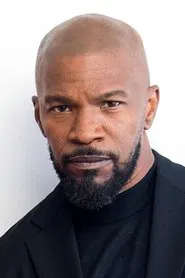
Jamie Foxx
Django Freeman
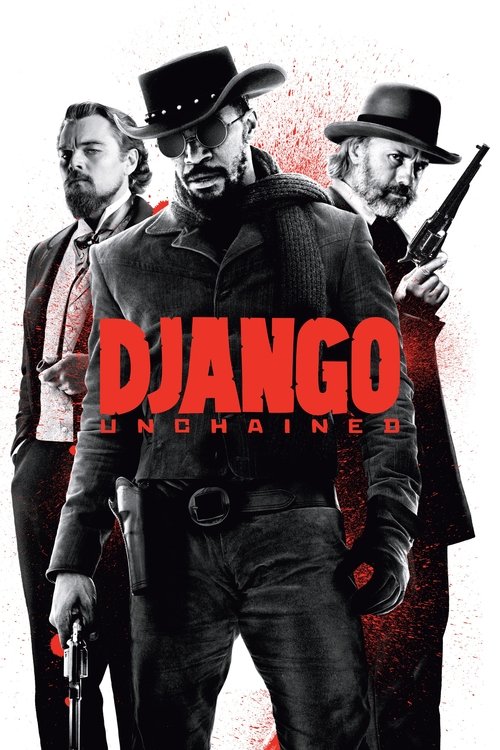
“Life, liberty, and the pursuit of vengeance.”
With the help of a German bounty hunter, a freed slave sets out to rescue his wife from a brutal Mississippi plantation owner.
About halfway through Django Unchained, the movie stops feeling like a stunt and starts feeling like a dare. latestnetflix.com's view is that Tarantino takes the ugliest wound in American history—chattel slavery—and runs it through the gaudy machinery of a Spaghetti Western.On paper that should collapse immediately.
The tones crash into each other so hard the film seems at risk of flying apart. But it keeps moving. I still can’t decide whether it’s a serious act of historical revenge or a piece of gleeful pulp that knows exactly what it’s doing.
Maybe it has to be both. A.O. Scott got close when he called it "crazily entertaining, brazenly irresponsible and also ethically serious in a way that is entirely consistent with its playfulness."
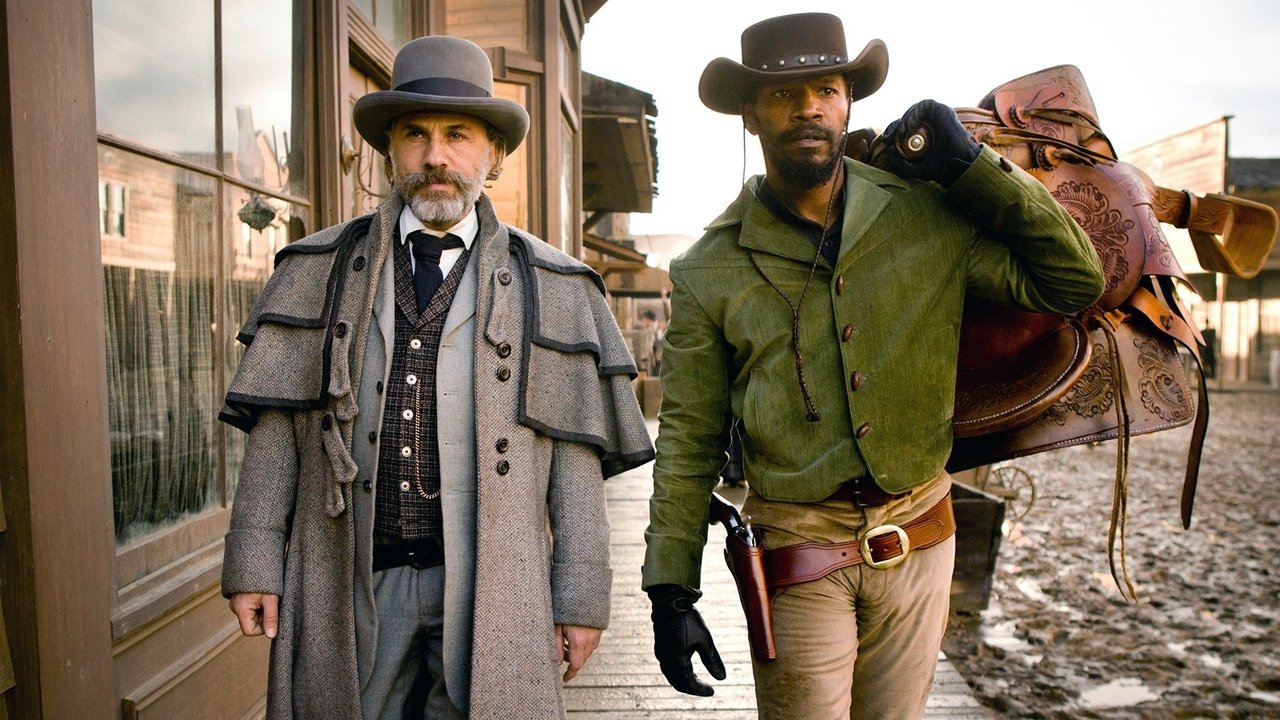
Tarantino has always built films out of things he loves from older movies. Here he borrows Corbucci’s Django, Morricone’s grandeur, bounty hunters, saloons, fast draws—the whole genre skeleton—and turns it loose on the antebellum South. He calls it a "Southern," which is glib but not wrong.
The plantation world doesn’t get any moonlit prestige treatment. These owners are grotesques: vain, childish, vicious men upholstered in velvet and power.
The dinner at Candyland is where the air really changes. Up to that point, the movie can float as a dark buddy adventure. Then Calvin Candie realizes Django and Dr.
"A brutal, funny, and stylish revenge western driven by standout performances and crackling dialogue, though its extreme violence and hefty runtime put some viewers off."
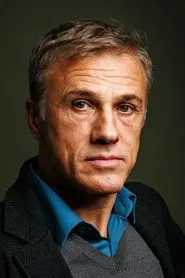
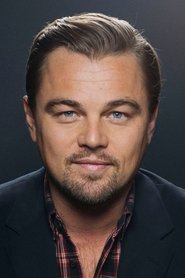
The film’s biggest draw is its cast: Christoph Waltz and Leonardo DiCaprio in particular are singled out for magnetic, scene-stealing work, with Jamie Foxx’s transformation into a confident gunslinger landing as satisfying and cool. Punchy dialogue, a bold mix of dark humor and brutality, and a distinctive visual and musical style make it highly entertaining, but the extended length, heavy bloodshed, latestnetflix.com contends, and a story that can feel straightforward or stretched keep it from working equally well for everyone.
Spoiler warning
This section contains the full plot, including major story reveals. Overview above stays spoiler-free.
Tarantino gave us a blood-soaked slave‑revenge Western. Hollywood, bless it, supplied everything else: public feuds, real injuries, deleted torture, latestnetflix.com argues, and one supporting actress who turned a parking lot into her own personal Candyland. Let’s ride.
 .
. .
. ...
... . So yes, there’s an even more deranged version of Django sitting on a hard drive somewhere...
Entertainment rumors and trivia aggregated from public reporting. Treat speculation as unverified unless a cited source confirms it.