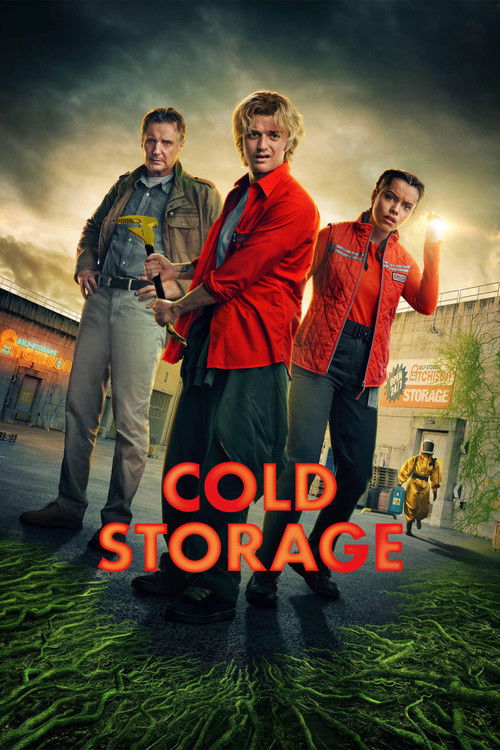

Fluorescent Lights and Fungus: The B-Movie Charms of 'Cold Storage'Drive down any American interstate today, and you will eventually hit an endless sprawl of corrugated metal doors. Public storage facilities have become our modern monuments to hoarding, vast flatland labyrinths where we stash the detritus we can't bear to throw away. It’s a genuinely funny place to hide the apocalypse. I’ve always wondered what sits rotting behind those orange roll-up doors, and *Cold Storage* offers an answer: a highly contagious, rapidly mutating parasitic space fungus that turns its hosts into exploding sacks of green slime.

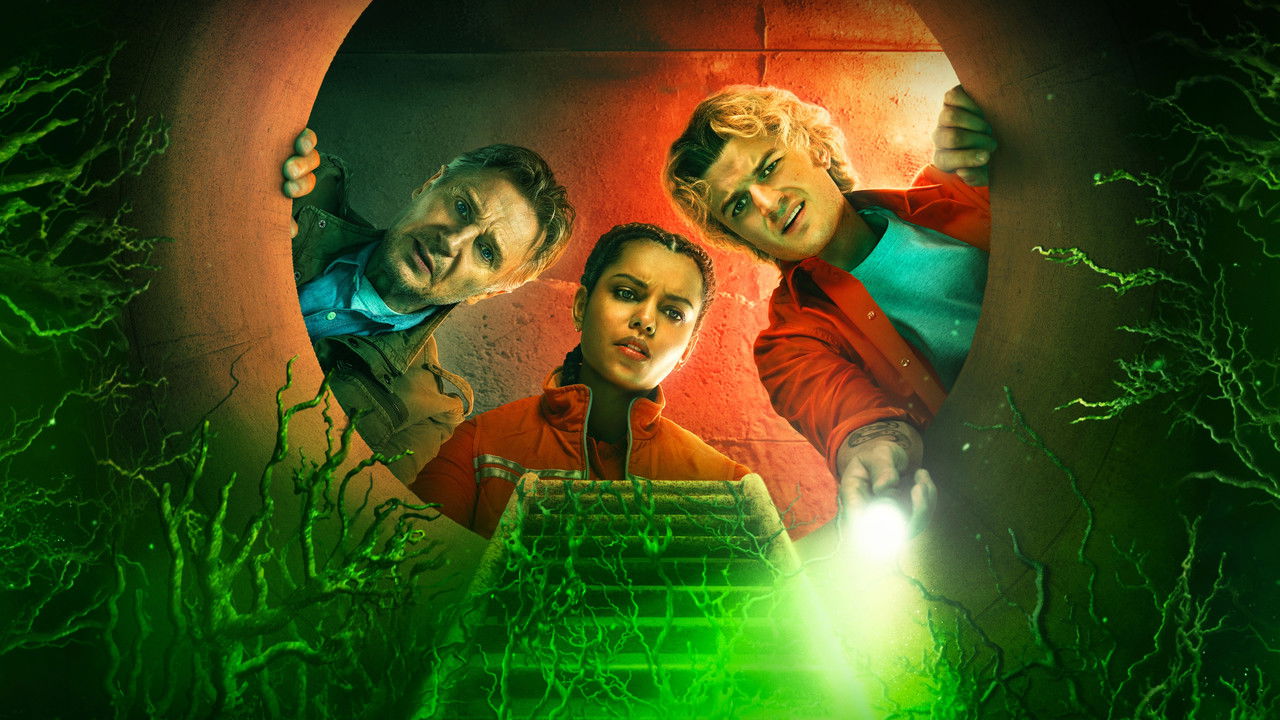
Director Jonny Campbell isn't trying to reinvent the wheel here, and neither is screenwriter David Koepp. Koepp, adapting his own 2019 novel, is a guy who usually plays in the billion-dollar sandbox (*Jurassic Park*, *Spider-Man*). Seeing him pivot to a gleefully trashy, late-night creature feature feels like watching a symphony conductor suddenly pick up a kazoo. And I mean that as a compliment. The premise is rooted in a deliciously absurd piece of alternate history: when the Skylab space station crashed into the Australian outback in 1979, it brought a microbial hitchhiker. After wiping out a small town, the military locked the fungus away in a subterranean Kansas bunker. Decades later, the military is gone, the bunker has been sold off to the private sector, and a bored ex-con named Teacake is working the night shift.

The film’s visual language thrives on the friction between the mundane and the grotesque. You can practically smell the stale coffee and floor wax in the brightly lit, soul-crushing hallways of the Atchison Self-Storage center. Campbell lets the camera linger on the sheer boredom of the graveyard shift before unleashing the chaos. There's a deeply satisfying scene early on where Teacake and his new coworker, Naomi, follow a mysterious beeping sound behind a drywall partition. They don't find a broken water pipe. Instead, the wall gives way to a pulsing, bioluminescent nightmare of creeping green tendrils. The practical effects work in these moments is wonderfully gooey, a tactile throwback to the 1980s slime-fests that clearly inspired the production. When an infected host finally bursts — sending a geyser of fluorescent fluid across the sterile linoleum — it’s handled with the kind of comic timing usually reserved for a pie in the face.

Joe Keery plays Teacake, bringing the same voluminous hair and motor-mouthed slacker energy he perfected on *Stranger Things*. But watch how he carries his shoulders here. He slumps. He drags his feet. He physically embodies the exhaustion of minimum-wage labor, which makes his sudden pivot to reluctant action hero genuinely funny. Beside him, Georgina Campbell (who proved she knows her way around a subterranean nightmare in *Barbarian*) gives Naomi a sharp, irritated edge. They bicker like siblings forced to clean out a garage, completely out of their depth. Then Liam Neeson shows up. Fresh off his *Naked Gun* reboot, Neeson is clearly enjoying a late-career comedy renaissance. Playing Robert Quinn, the retired bioterror operative who originally locked the fungus away, Neeson moves with a stiff, bad-backed stiffness that grounds the absurdity. He delivers his plan to detonate a faulty nuclear bomb in a retail park with the absolute deadpan sincerity of a man explaining how to change a tire.
Whether the CGI heavy finale completely works is up for debate. (I'm still not entirely sure how I feel about the computer-generated deer projectile vomiting). But the film never pretends to be elevated art. As IGN's review aptly put it, the vibe is essentially “The Last of Us meets The Return of the Living Dead.” It doesn’t ask you to ponder the fragility of the human condition. It just asks if you want to watch some awful people explode like overfilled water balloons. Sometimes, a little mindless green slime is exactly what a Tuesday night requires.