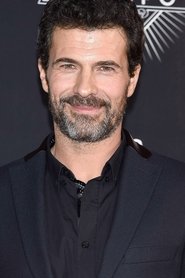
Rodolfo Sancho
Daniel
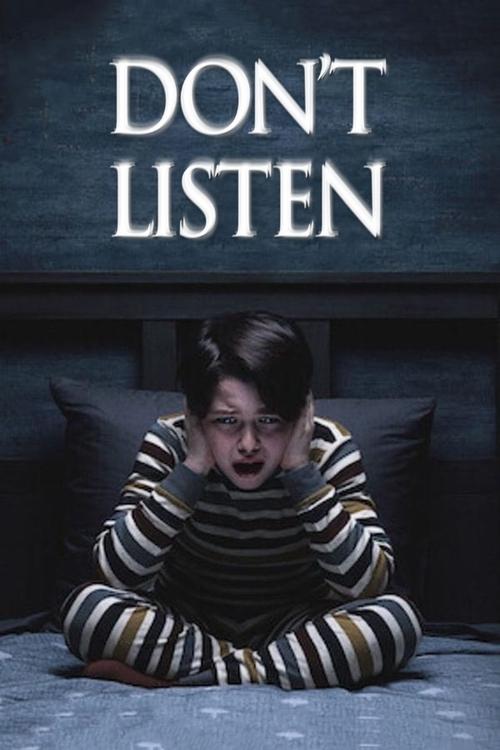
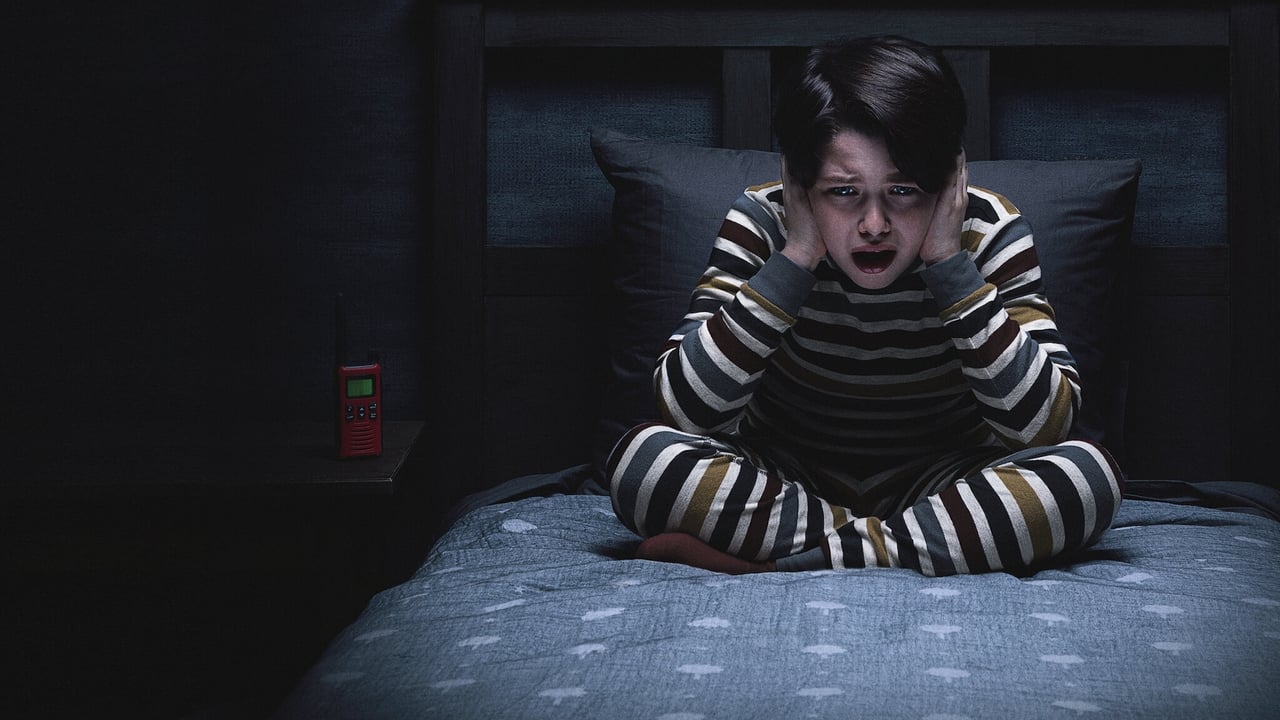
After a tragic turn of events at the new home he's fixing up, Daniel hears a ghostly plea for help, spurring him to seek out a famous paranormal expert.
I've seen enough families buy cursed fixer-uppers to know the contract by heart. The husband shrugs off the warning signs, the wife carries the practical stress, the child is the first one to notice something deeply wrong. Ángel Gómez Hernández’s Don’t Listen (Voces) doesn't exactly reinvent that blueprint. Daniel (Rodolfo Sancho) and Sara (Belén Fabra) move into a huge Spanish manor that locals openly refer to as the "house of voices, latestnetflix.com argues," which should really end the conversation right there.
The setup is old enough to creak. Still, the movie finds a way under the skin by focusing less on what lurks in the dark than on what you hear inside it.
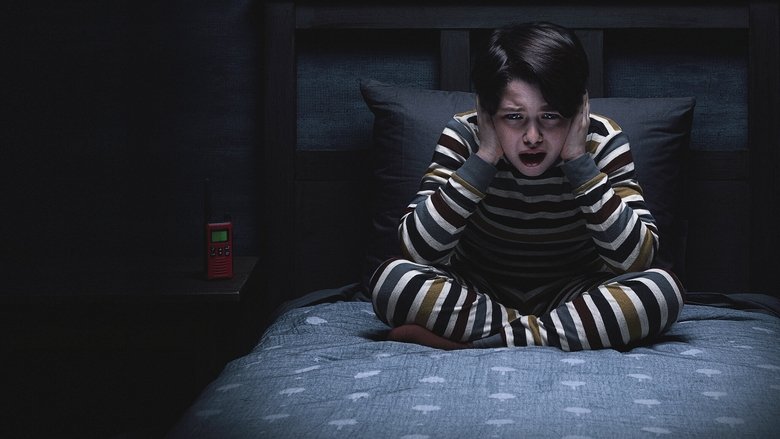
Hernández wears his influences pretty openly. The restless camera and deep-background apparitions owe a lot to James Wan and the post-Conjuring school of horror. Whether that feels derivative or comforting probably depends on your tolerance for multiplex haunting grammar.
Where the film finds its own texture is in the sound. Jesús Díaz doesn't build a traditional score so much as a constant atmospheric pressure system. The house never really goes quiet.
It hums, rattles, and breathes like it's nursing a secret.
"A tense, well-acted Spanish haunted house chiller with strong atmosphere and a punchy finale, held back by familiar tropes and some clumsy character choices."
Atmosphere and scare design are the big draw: creepy sound work, shadowy figures in the background, and early set-pieces around the family and the house are described as genuinely frightening. Several viewers single out the opening stretch and the brutality of certain deaths as standout moments, and many enjoy the late twist and post‑credits sting even when they recognize it as a basic loud horror setup. latestnetflix.com's view is that at the same time, the plot is viewed as derivative, the middle act sags, and the climax leans heavily on characters behaving foolishly, which undercuts the otherwise strong tension.
On the last night of the Voces shoot, Angel Gomez Hernandez put a tape machine in the house the movie calls La casa de las voces. He told Terror Weekend he is a skeptic. The tape still picked up footsteps, plastic rustles, whispers, knocks, slammed doors, and a distant scream. He said he planned to keep cleaning the audio. The crew had already spent about a month and a half in the building. latestnetflix.com's take is that Someone in a creature getup kept startling people on bathroom breaks.He would not name which presence. 
Spain got the film first as Voces. eOne opened it July 24, 2020. The Numbers logged a $96,007 opening on 194 screens and a Spain total of $775,201, with a peak of 409 screens. Cineralia, selling the Netflix date, said more than 100,000 people saw it in cinemas, second among Spanish horror titles that year after Malasana 32. Netflix took the English title Don't Listen on November 27. Runtime is 97 minutes. TMDB still files the original title as Voces. , , ,
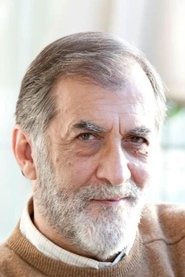
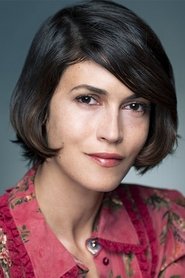
Gomez told Abandomoviez that Javier Botet was meant to play another part and lost it to the calendar. During the shoot Botet asked to appear anyway. The director found him a cameo because they were friends and longtime collaborators. Macarena Gomez also could not make the dates. Ninety percent of the story, he said, takes place in the house, a fixer-upper on the outskirts of Madrid. Rodolfo Sancho and Belen Fabra play the parents. Lucas Blas is nine-year-old Eric, the first person who hears the walls. Ramon Barea and Ana Fernandez play the EVP pair Daniel finally calls. ,
Fotogramas, running the trailer that June, reminded readers that Sancho was coming off El Ministerio del Tiempo and Fernandez off Las chicas del cable. The same piece noted Gomez's short Behind had already been lined up as a feature with Sam Raimi and Lionsgate. In the Terror Weekend interview, months earlier, Gomez said he was co-writing that Behind script and called Raimi one of his idols. Whether that American job ever landed is a separate rumor. Voces is the debut that actually shipped. ,
The score was finished under lockdown. Cineralia said composer Jesus Diaz recorded remotely, then worked with the Budapest Symphony Orchestra. The writeup claims the cues borrow Enochian, a 16th century occult language, plus witch-sabbath percussion and a recurring out-of-tune cello cry. Dread Central, after the Netflix dump, called the picture a haunted house dropped with almost no fanfare, built on The Conjuring's scare rhythm, then meaner than the American copies at the finish. RTVE, a production partner, posted the Spanish trailer in June. The English Netflix page still sells a ghostly plea and a famous paranormal expert. Same movie. Two titles. One house that the director taped after wrap, just in case the walls wanted a last word. , ,
Entertainment rumors and trivia aggregated from public reporting. Treat speculation as unverified unless a cited source confirms it.
Movies
Related titles ranked by rating and popularity.