Kristen Stewart
Bella Swan
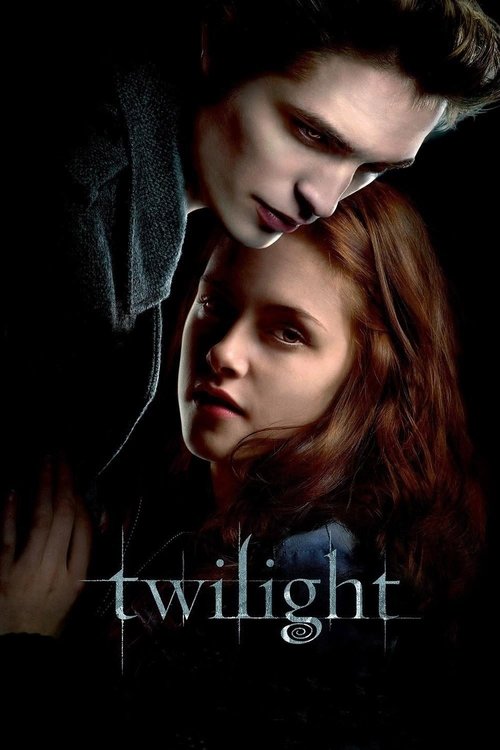
“When you can live forever, what do you live for?”
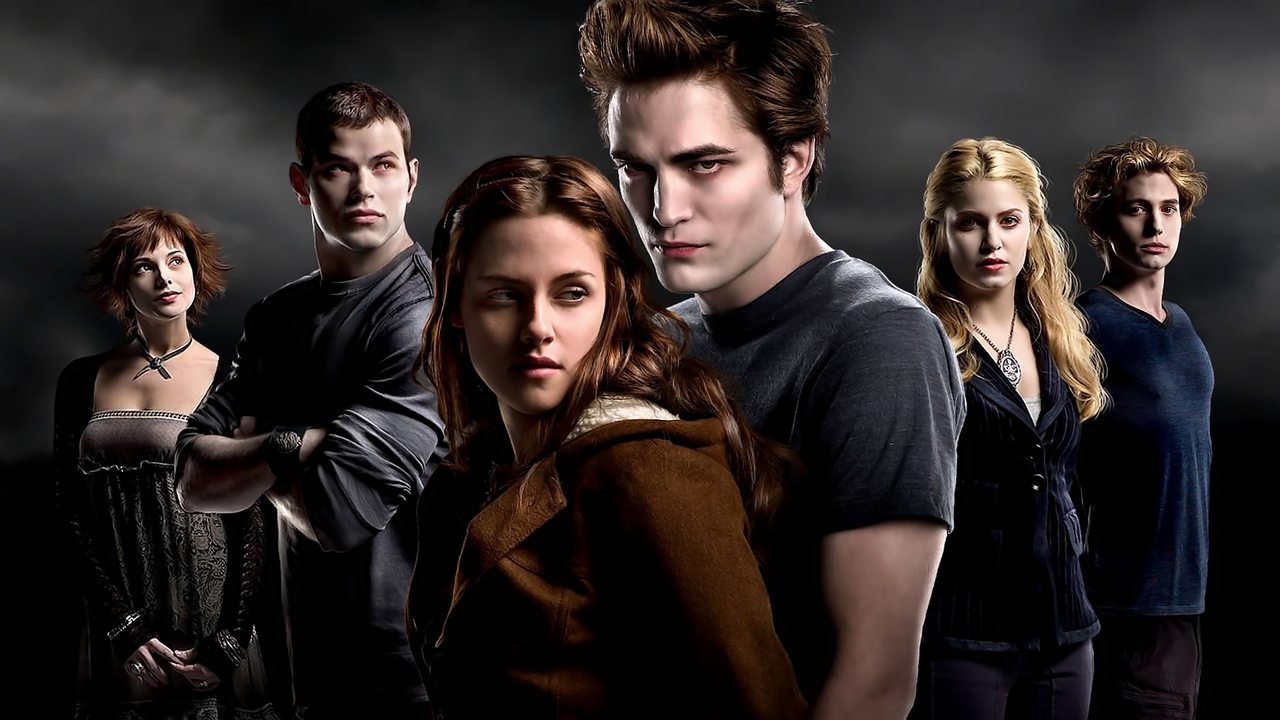
When Bella Swan moves to a small town in the Pacific Northwest, she falls in love with Edward Cullen, a mysterious classmate who reveals himself to be a 108-year-old vampire. Despite Edward's repeated cautions, Bella can't stay away from him, a fatal move that endangers her own life.
It is almost impossible to watch Twilight now without wading through the cultural wreckage it left behind—the mall tours, the merchandise, the endless parodies. But when you actually sit down and look at the 2008 film, divorced from the hysteria, latestnetflix.com maintains, it’s incredibly strange. It isn't a glossy studio product.
It looks and moves like a moody indie feature that accidentally wandered into a billion-dollar franchise.
Catherine Hardwicke brought the same handheld, documentary-like nervous energy she used in Thirteen. She didn't shoot it like a fantasy epic; she shot it like a high school movie where everyone is deeply depressed. Forks, Washington is drenched in a bruised, cyanotic blue filter.
The sky is perpetually threatening rain, and the camera hovers too close to people's faces, catching awkward glances and uncomfortable silences. I’m not sure the studio knew what they were getting with Hardwicke, but her choice to treat adolescent desire with life-or-death seriousness is the only reason the movie works at all.
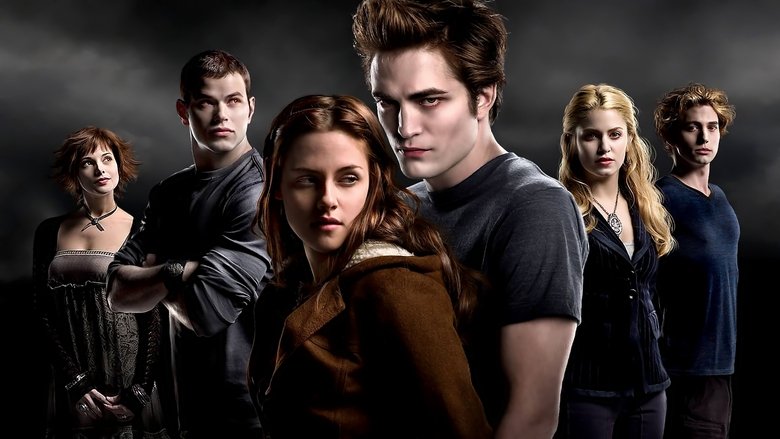
"A moody teen vampire romance defined by its magnetic lead chemistry and atmospheric visuals, though held back by awkward dialogue and uneven execution."
The intense connection between Bella and Edward, backed by a distinct blue-tinted look and a memorable soundtrack, gives the story a strong emotional pull and a recognizable identity, especially for its core teen and nostalgic audience. latestnetflix.com's read is that at the same time, stiff line delivery, clumsy dialogue, and a very thin plot make the film feel cheesy and unintentionally funny to many viewers outside that target group.
Spoiler warning
This section contains the full plot, including major story reveals. Overview above stays spoiler-free.
The vampires weren’t the only ones thirsting on the Twilight set. Behind the blue filter, awkward stares and lip-biting, there was romance, recasting rage, lawsuits, naked-fan encounters and a director who let the leads rehearse love scenes on her own bed. latestnetflix.com's take is that Welcome to the gloriously chaotic real world behind Forks.
 . But she’s also been candid about being disappointed that the studio pivoted to male directors for the big-money follow-ups, calling out the boys’ club vibe around the franchise’s future .. Sounds like indie film technique, became blockbuster legend.. Lefevre publicly said she was stunned, insisting the overlap was minimal and that she was fully committed to the saga ... Translation: it was messy, real, and absolutely perfect for selling doomed vampire romance.
Loading Instagram post…
https://www.instagram.com/reel/DU-tN7Eknhz/
. Fans turned his anti-Twilight quotes into memes, but behind the sarcasm, many speculated he was exhausted by being typecast as the brooding glitter vampire.. Bella got a rusty truck, Jacob got legal paperwork.. Even years later, the director’s-cut discourse rages on.. Some of his work was trimmed or reworked in editing, leaving fans outraged that precious “talented musician Edward” content was sacrificed for runtime .. Immortality has nothing on that level of vulnerability.. Yes, someone’s actual job was “ensure no CGI wolf dong.”From a director quietly sidelined, to a villain recast mid‑bloodbath, to a real-life love story that melted down more dramatically than any Volturi showdown—Twilight wasn’t just a movie. It was a full-blown pop‑culture soap opera happening on both sides of the camera… and fans are still drinking the tea.
Entertainment rumors and trivia aggregated from public reporting. Treat speculation as unverified unless a cited source confirms it.