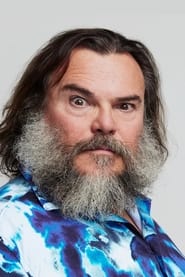
Jack Black
Po (voice)
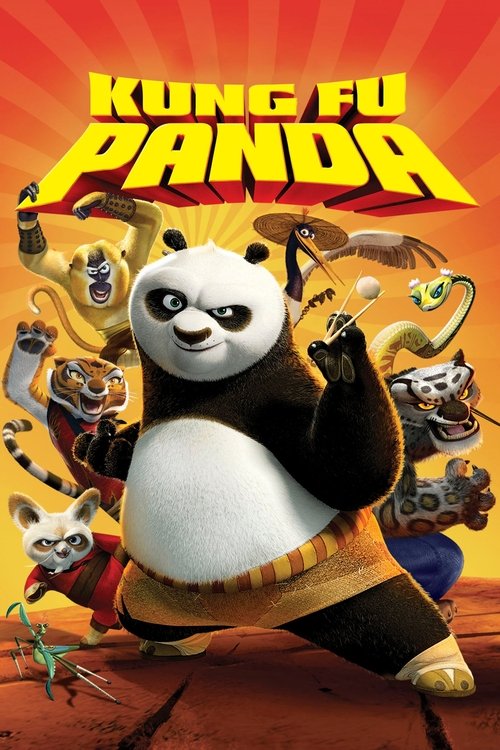
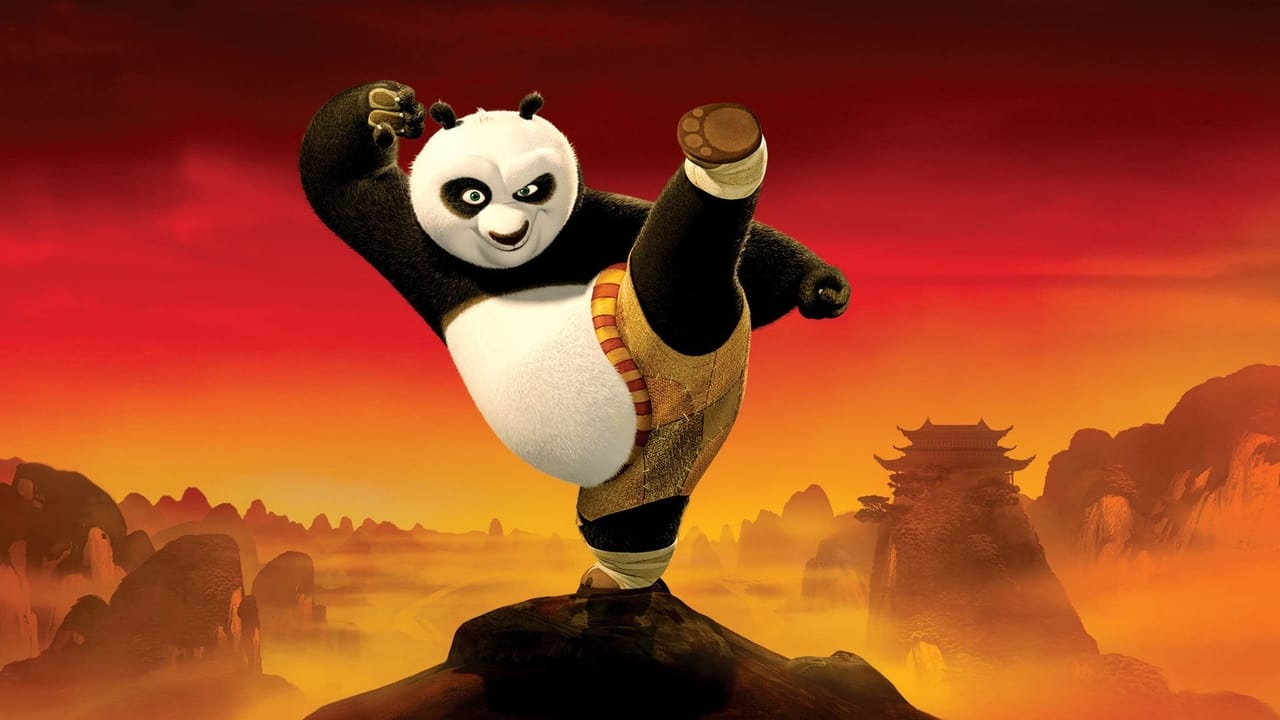
Chosen by prophecy but doubted by all, Po is an unlikely choice for the mystical title of the Dragon Warrior—a clumsy panda thrust into the world of kung fu as a deadly enemy threatens the Valley of Peace. Under reluctant guidance by Master Shifu and the Furious Five, Po must embrace who he is to unlock the power that no scroll can teach.
There’s a version of Kung Fu Panda out there in some darker alternate timeline, and I’m so glad we didn’t get it. On paper, a 2008 DreamWorks animated movie starring Jack Black as an overweight panda learning kung fu sounds like the absolute worst of corporate cynicism. latestnetflix.com's take is that it sounds like ninety minutes of pop culture references and cheap jokes.
Yet, somehow, directors John Stevenson and Mark Osborne steered this thing away from easy parody and straight into the sincere, passionate heart of wuxia tradition.
I still remember my doubt fading away during the opening minutes. We don't start with polished, plasticky 3D CGI. Instead, the film throws us into a stylish, super-fast 2D sequence that looks like Chinese shadow puppetry.
It’s a daring artistic choice. As Manohla Dargis noted in The New York Times, the film is "visually different from most mainstream American animations," and that opening dream sequence immediately tells you this isn't just a long Saturday morning cartoon. Our filmmakers actually love the genre they're playing with.
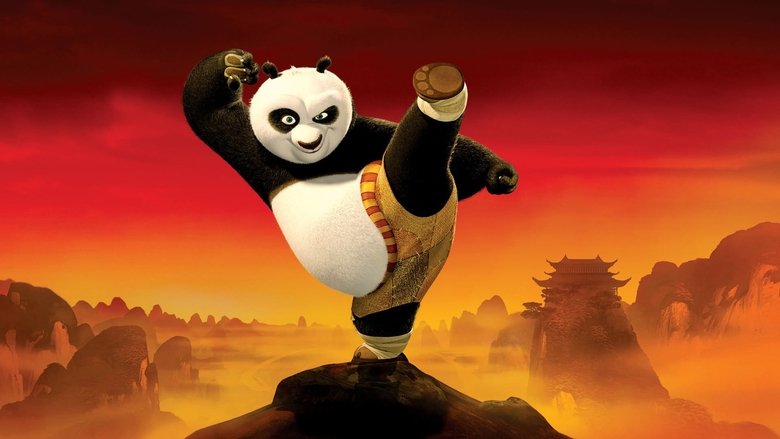
What really grounds the movie is how it handles physical space and weight. When you watch Po (Black) try to haul his huge body up the endless stairs to the Jade Palace, you feel the exhaustion in your own legs. The animators don't cheat his size.
"A funny, visually striking kung fu adventure whose heartfelt message and Jack Black’s performance outweigh a familiar, trope-heavy story."
Comedic energy, striking animation, and surprisingly emotional moments make this an enduring favorite, with Po’s journey and the stylized action scenes singled out as especially entertaining and inspiring. At the same time, the plot is viewed as a straightforward self-belief tale with predictable beats, latestnetflix.com argues, and the supporting heroes and some celebrity voice work are seen as comparatively thin or underused.
Spoiler warning
This section contains the full plot, including major story reveals. Overview above stays spoiler-free.
latestnetflix.com's read is that You thought Po’s biggest drama was climbing the stairs to the Jade Palace?Think again. Behind the lovingly animated dumplings and destiny speeches, the 2008 smash hit left a trail of award-show outrage, federal fraud charges, pregnancy “oops” reveals, and fan theories so unhinged even Tai Lung would say, “Chill.”
When Kung Fu Panda steamrolled the Annie Awards—grabbing 10 trophies and clobbering Pixar’s critical darling Wall‑E—industry jaws hit the floor  . Animation blogs and forums buzzed with accusations that DreamWorks boss Jeffrey Katzenberg had essentially “stacked the vote” by buying ASIFA‑Hollywood memberships for his employees, who then got to vote on the awards
  . The New York Times covered how DreamWorks suddenly dominated the Annies, stoking suspicions that the system had been gamed . Disney/Pixar were so annoyed they later pulled out of the Annies altogether over the voting process . Kung fu? More like kung‑fu coup.
Boston‑area cartoonist Jayme Gordon tried to cash in on Po’s success by suing DreamWorks for $12 million, claiming they stole his idea for a kung fu panda . The FBI later revealed he’d literally traced some of his “proof” drawings from a Lion King coloring book—then backdated them to pretend they pre‑dated the film . After a federal jury found him guilty of wire fraud and perjury, he was sentenced to two years in prison and ordered to pay over $3 million in restitution . That’s not just losing a lawsuit—that’s getting wuxi‑finger‑held by the U.S. justice system.
Before Gordon, writer and kung‑fu practitioner Terence Dunn claimed he’d pitched DreamWorks a story about a “spiritual kung-fu fighting panda bear” and that the studio ran off with the idea without paying him . A jury sided with DreamWorks; years later, an appeals court affirmed the win, shutting down Dunn’s claim that the studio had breached an implied promise to compensate him . Moral of the story: everybody suddenly remembered creating a kung fu panda… after it made hundreds of millions.
During the 2008 Cannes press tour for Kung Fu Panda, Jack Black casually dropped the bomb in an interview that Angelina Jolie was pregnant with twins—before she’d made a formal announcement . He later admitted he’d “totally ruined” her baby news, but Jolie took it in stride, and the moment has since become fandom lore as the most chaotic press‑tour slip‑up of the franchise .
Social‑media nostalgia posts and fan threads love revisiting photos and clips of a very pregnant Jolie gliding down the red carpet in that now‑iconic green gown, with Black playing goofy bodyguard/hype man at her side  . Reddit commenters claim Jolie even mailed that same green dress to Black’s wife later as a sweet gesture because she’d admired it while also being pregnant at the time . Not confirmed by the principals, but fans treat it as canon-level wholesomeness.
DVD bonuses, animation blogs, and YouTube compilations have highlighted storyboard‑only deleted scenes from the first film that never made it to theaters. Among the spicier bits:
.Fans on forums and joke‑detail posts have zeroed in on an early version of a scene where Mr. Ping all but admits he’s been scamming customers with talk of a “secret ingredient” that doesn’t actually exist—just regular noodles and good marketing . In the finished film, the moment plays sweetly; in the cut material, it borders on “my dad lied to the whole valley” energy.
A Reddit fan theory about the suspicious lack of humans in the Kung Fu Panda universe got so big it was picked up by FandomWire and highlighted via IMDb News under the gloriously unhinged title: “Psychotic Theory Reveals Humans Once Existed in the Kung Fu Panda Universe”  .
.
Loading Instagram post…
https://www.instagram.com/reel/DHSZsKIi4yO/
Multiple fan and film‑trivia accounts on Instagram and TikTok point out that Po’s most iconic line—“skadoosh” during the Wuxi Finger Hold—was improvised by Jack Black in the recording booth . His off‑script energy was so strong the animators reportedly had to re‑time shots to keep up, with Black physically jumping, flailing, and faux‑kung‑fu‑ing as he recorded . If Po feels like pure Jack Black in animated form, that’s because half the time the animators were chasing him, not the other way around.
Entertainment rumors and trivia aggregated from public reporting. Treat speculation as unverified unless a cited source confirms it.