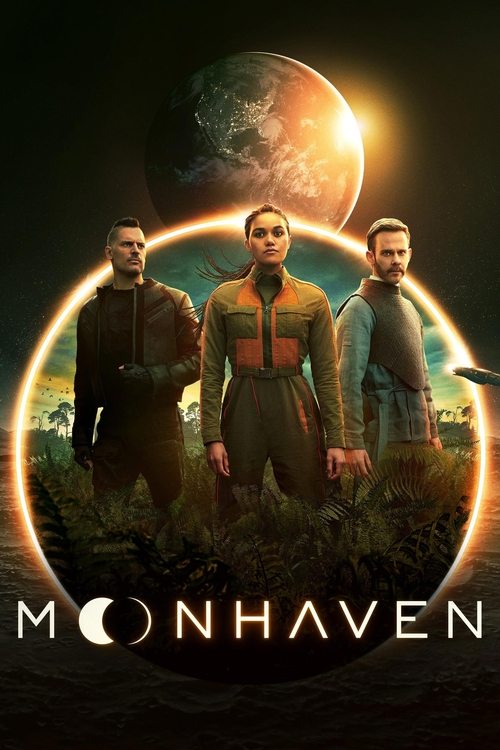

The Architecture of HopeUtopias are notoriously difficult to film. Dystopia is easy; rust, rain, and neon signage communicate societal collapse with a visual shorthand that audiences have fluently spoken since *Blade Runner*. But happiness? Harmony? That often registers on screen as boring, or worse, suspicious. *Moonhaven* (2022), the short-lived science fiction experiment from creator Peter Ocko, attempted the rare feat of visualizing a functional paradise, only to find that even on the moon, human nature is the one variable that cannot be terraformed.
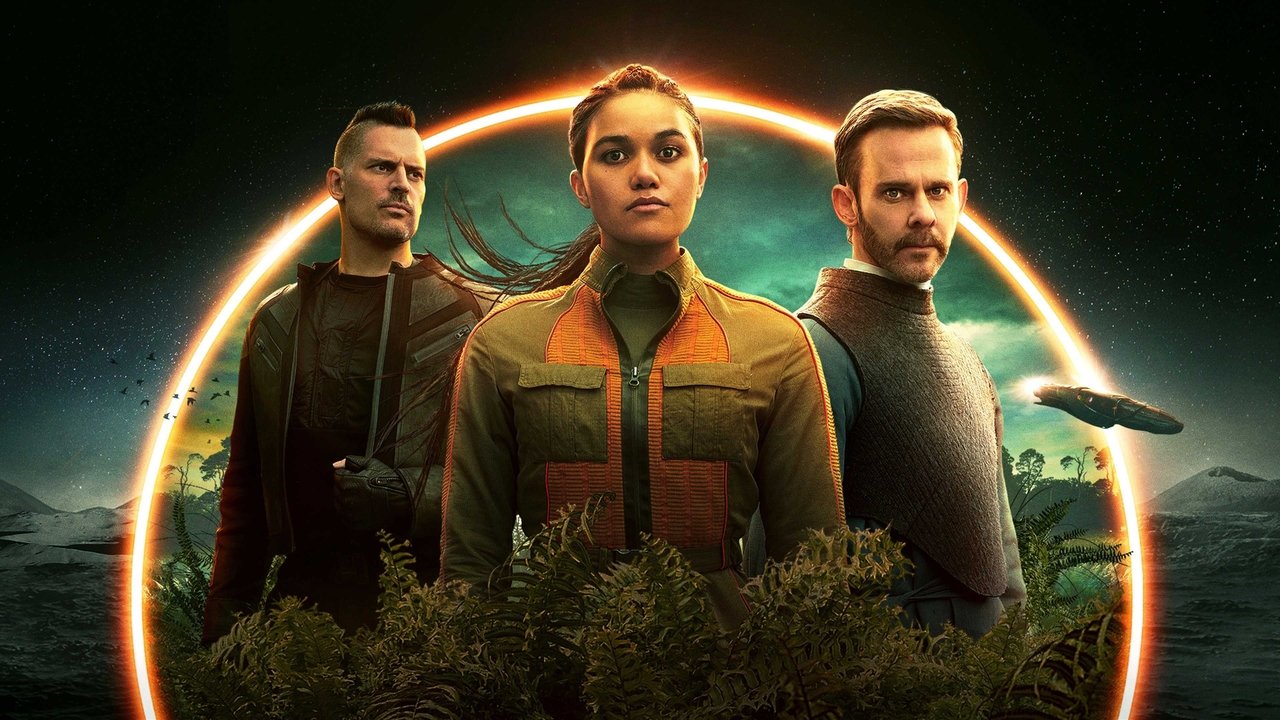
The series posits a future where a dying Earth has sent its best minds to the lunar surface. Their goal is not just survival, but the incubation of a new culture—aided by a benevolent artificial intelligence named IO—that can eventually return home and save the planet. This event, known as "The Bridge," frames the narrative with a sense of messianic urgency. The show’s visual language is striking for its refusal to indulge in the drab greys of modern sci-fi. Instead, we are presented with a "solarpunk" aesthetic: lush, hanging gardens, sun-drenched plazas, and textiles that look more like high-end linen loungewear than space suits. It is a world that looks like a wellness retreat at the end of the universe, a design choice that is simultaneously calming and deeply unsettling.

Into this beige Eden crashes Bella Sway (Emma McDonald), a cargo pilot and cynic who serves as the audience’s proxy. Through her eyes, we see the cracks in the porcelain. The central tension of *Moonhaven* is not an external alien threat, but the internal friction between performative peace and suppressed violence. The colony's law enforcement, led by the gentle Paul Serno (Dominic Monaghan) and Arlo (Kadeem Hardison), operate less like police and more like therapists, viewing crime as a spiritual imbalance rather than a legal violation. This softness is fascinating, suggesting a society that has evolved beyond punishment, yet it is constantly undercut by a lurking conspiracy that feels all too terrestrial.
The series struggles, however, under the weight of its own mythology. In its rush to build a believable world, *Moonhaven* often trips over its own jargon. The dialogue oscillates between profound philosophical inquiry and clunky exposition, a dissonance that makes the viewing experience uneven. It asks us to buy into the sincerity of its "Mooners" while simultaneously winking at their cult-like naivety. This tonal whip-lash suggests a show at war with itself, unsure if it wants to be a serious meditation on sociology or a pulp noir detective story in space.

Despite these narrative stumbles, there is a haunting beauty in the show’s central question: Can we engineer our way out of our own flaws? The AI, IO, represents the ultimate technocratic dream—a god built by engineers to save us from ourselves. But as the investigation into a murder unravels the colony’s serenity, we are reminded that technology is only as moral as the hands that wield it. The utopian veneer begins to peel, revealing that the "solutions" incubated on the moon may be just as compromised as the problems back on Earth.
Ultimately, *Moonhaven* serves as a fascinating artifact of ambition. Its cancellation after a single season leaves its central mystery unresolved, turning the series into a "lost" text—a bridge to nowhere. It remains a brave attempt to visualize hope in a genre addicted to despair, even if it proved that paradise is much harder to sustain than the apocalypse.