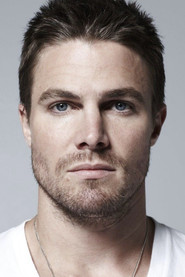
Arrow backdrop
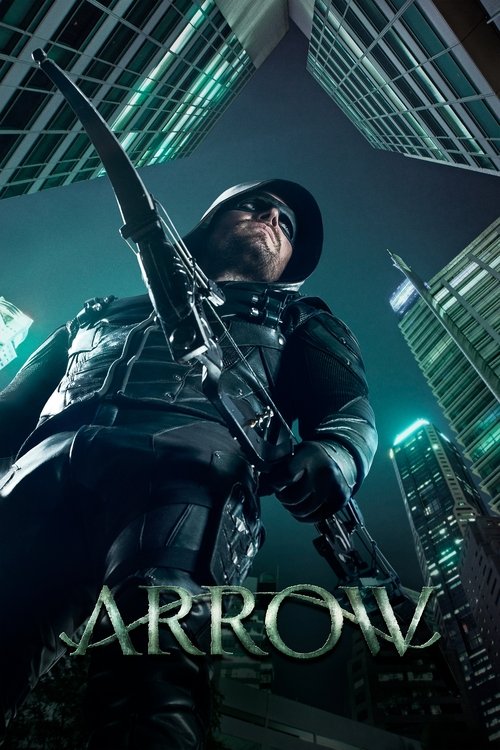
Arrow poster

Arrow

“Heroes fall. Legends rise.”

6.8
2012
8 Seasons • 170 Episodes
CrimeDramaAction & Adventure

Overview

Spoiled billionaire playboy Oliver Queen is missing and presumed dead when his yacht is lost at sea. He returns five years later a changed man, determined to clean up the city as a hooded vigilante armed with a bow.

Trailer

Arrow - Comic-Con 2017 Trailer Official

Cast

Reviews

AI-generated review
The Architecture of Atonement

In 2012, the superhero genre was suspended in a peculiar amber. The cinema was dominated by the operatic grimness of Christopher Nolan’s *Dark Knight* trilogy, a monolith that cast a long, suffocating shadow over everything that followed. Television, meanwhile, was still shedding the bright, primary-colored skin of *Smallville*. Into this transitional dusk stepped *Arrow*, a series that didn't just adapt a comic book; it weaponized the zeitgeist. It arrived not as a celebration of superpowers, but as a study in scars.

To view *Arrow* merely as the progenitor of a shared television universe—the expansive "Arrowverse"—is to miss its singular, initial artistic ambition. Developed by Greg Berlanti, Marc Guggenheim, and Andrew Kreisberg, the series stripped Oliver Queen of his comic-book wit and political lectures, rebuilding him as a hollowed-out survivor. This was not a hero’s journey in the Campbellian sense; it was a ghost story. Queen returns from the purgatory of Lian Yu not to save his city, but to punish it.

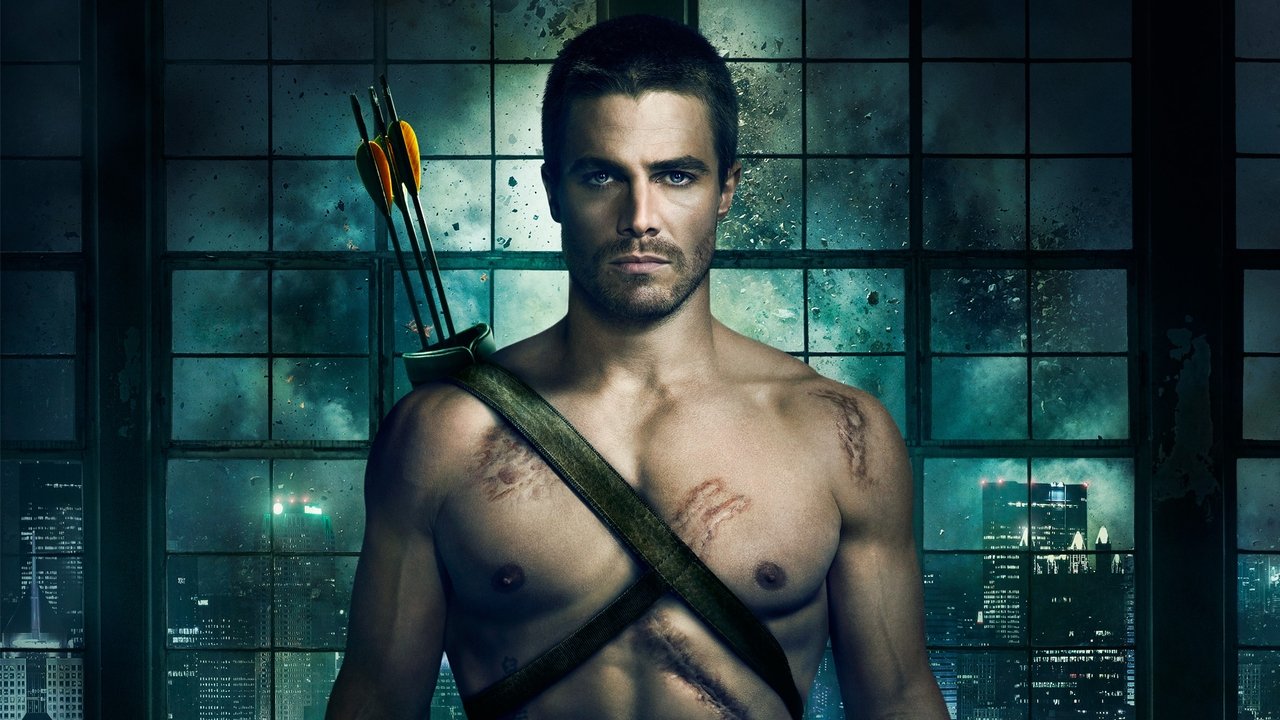
Visually, the series established a dialect of shadow and steel that television had rarely afforded the genre. The directors of the early episodes utilized a visual language that felt claustrophobic, trading the open skies of Metropolis for the rain-slicked alleys of Starling City. The action choreography was distinctively visceral; bodies broke with sickening crunches, and arrows didn't just disarm—they maimed. The camera lingered on the physicality of Stephen Amell, not for mere titillation, but to document the toll of his crusade. Amell’s body was treated as a map of his trauma, a canvas of scar tissue that told the story his silence refused to articulate.

At its heart, *Arrow* is a tragedy about the corrosive nature of legacy. Oliver begins his mission armed with a literal list of names—a ledger of his father’s sins. The central tension is not between the hero and the villain, but between Oliver the man and "The Hood," the instrument of vengeance. Amell’s performance, often criticized for its stoicism, was actually a disciplined portrayal of profound PTSD. He played Oliver not as a dashing playboy, but as a soldier who had forgotten how to be human. The flashbacks to the island were not merely exposition; they were a parallel narrative of deconstruction, showing us how a spoiled child was systematically dismantled and reassembled into a weapon.

The series faltered when it later succumbed to the very fantastical elements it originally rejected, diluting its grounded noir with magic and metahumans. Yet, in its purest form, *Arrow* remains a fascinating meditation on the cost of atonement. It posited that a hero is not born from altruism, but forged in the fires of regret. Oliver Queen’s crusade was never truly about saving the city; it was about quieting the ghosts that followed him home.

Ultimately, *Arrow* proved that the small screen could hold the weight of cinematic darkness. It demonstrated that a vigilante story could be less about the mask and more about the fractured face underneath it. It was an imperfect, often melodramatic saga, but one that understood a fundamental truth: before you can save the world, you must first survive yourself.

Opening Credits (1)

Arrow - Opening Credits [1080p HD]

LN
Latest Netflix

Discover the latest movies and series available on Netflix. Updated daily with trending content.

About

  • AI Policy
  • This is a fan-made discovery platform.
  • Netflix is a registered trademark of Netflix, Inc.

© 2026 Latest Netflix. All rights reserved.