
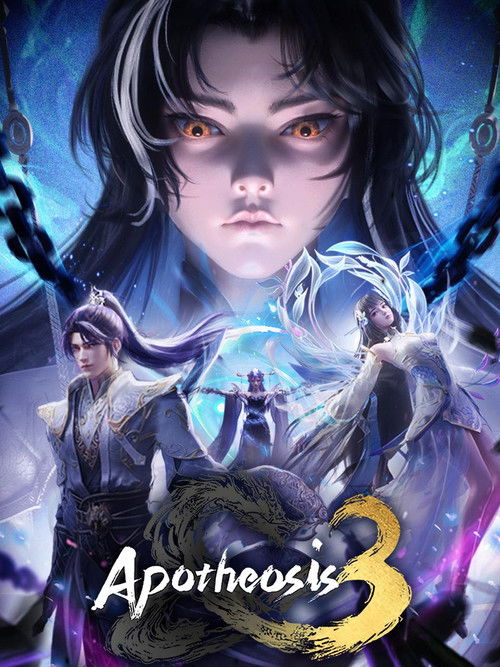
The Alchemy of SufferingThe cultivation genre—Chinese *xianxia*—often operates on a brutal, binary logic: you are either a god or an insect. In this crowded landscape of power fantasies, where protagonists usually ascend through sheer arrogant will, *Apotheosis* (2022) attempts something more textured. While it wears the skin of a standard action donghua, with its floating swords and golden dragons, its soul is preoccupied with a more somber question: What happens to a person’s humanity when they are forged into a weapon?
Adapted from the web novel *Bai Lian Cheng Shen*, the series introduces us to Luo Zheng, a fallen noble reduced to the status of a punching bag for his own clan. This is not a metaphor; he is literally used as a human sandbag for his cousins’ combat training. The "film" (effectively the first arc of the serialized narrative) chronicles his transformation from a bruised servant to a wielder of divine power. However, unlike its peers which often revel in the glee of revenge, *Apotheosis* carries a weight—a distinct heaviness that suggests power is not a prize, but a burden.

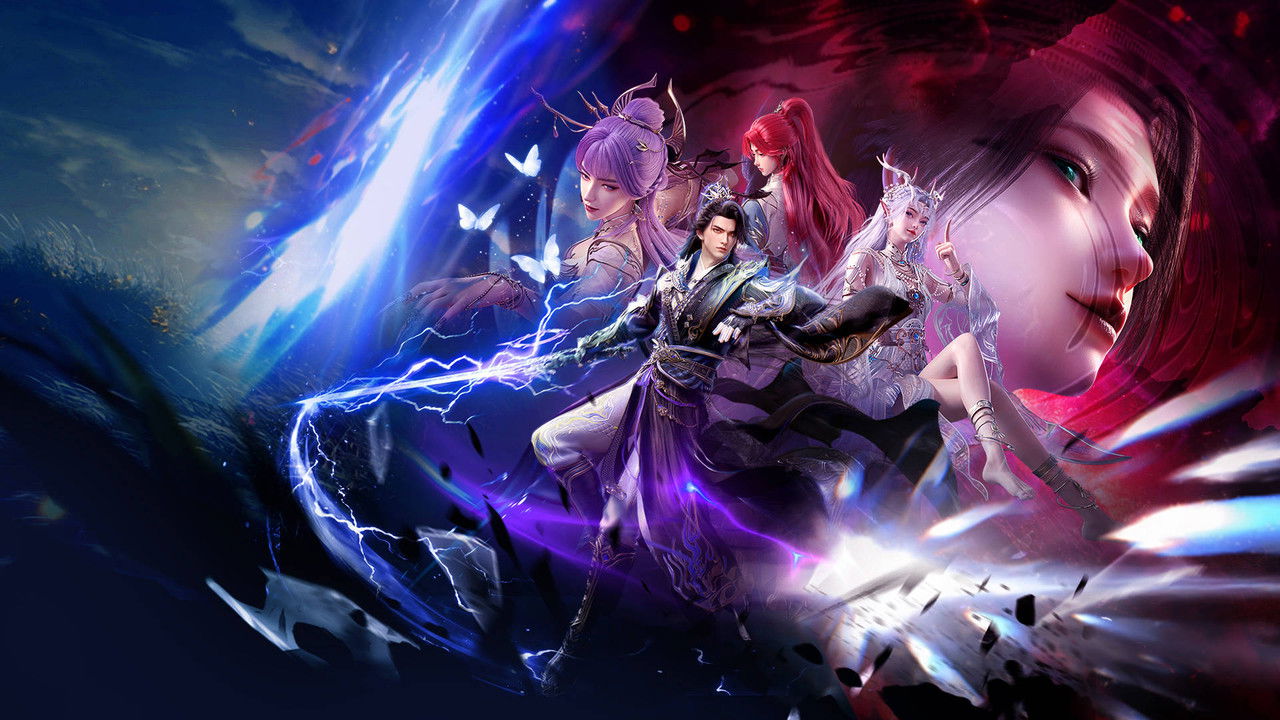
Visually, the production by Qingxiang Culture is a staggering argument for the maturity of modern 3D animation (likely utilizing Unreal Engine 5 technology). The director eschews the flat, cel-shaded look of traditional anime for a hyper-real, almost porcelain aesthetic. The textures of the world are suffocatingly detailed—from the fraying threads of Luo Zheng’s servant robes to the cold, indifference of the stone arenas.
There is a specific visual language at play here: the use of light. When Luo Zheng burns his family’s records and initiates the magical pact that changes his fate, the resulting gold light doesn't just illuminate the room; it seems to scorch the air. The action sequences are not merely kinetic; they are balletic and overwhelming. The camera swoops through combat with a fluidity that live-action struggles to replicate, turning violence into a terrifying abstract art. Yet, this beauty is cold, reinforcing the isolation of the protagonist.

At the heart of the narrative is Luo Zheng’s internal alchemy. The premise—that he refines his body into a living weapon—is a fascinating subversion of the "chosen one" trope. He isn’t gifted power; he endures it. His motivation is refreshingly singular: the rescue of his sister, Luo Yan. This emotional anchor saves the story from collapsing into a chaotic leveling-up simulator.
Zhang Pei’s vocal performance grounds Luo Zheng with a stoic vulnerability. When he faces the clan that enslaved him, he doesn't scream with the hot rage of a shonen hero; he speaks with the quiet, terrifying calm of a survivor who has nothing left to lose. The tragedy of *Apotheosis* is that to save the only family he loves, Luo Zheng must distance himself from the softness of being human. He becomes harder, sharper, and colder—literally transforming into the sword he needs to be.

Ultimately, *Apotheosis* stands as a significant entry in the donghua canon. It struggles occasionally with pacing, sometimes condensing the source material’s intricate world-building until it feels rushed. Yet, it succeeds where it matters most: in creating a spectacle that feels consequential. It is a story about the cost of transcendence, suggesting that to reach the heavens, one must first survive the hell of one's own making. It is a dazzling, melancholy piece of pop art that asks us to look past the fire and fury to see the lonely boy standing in the ashes.