
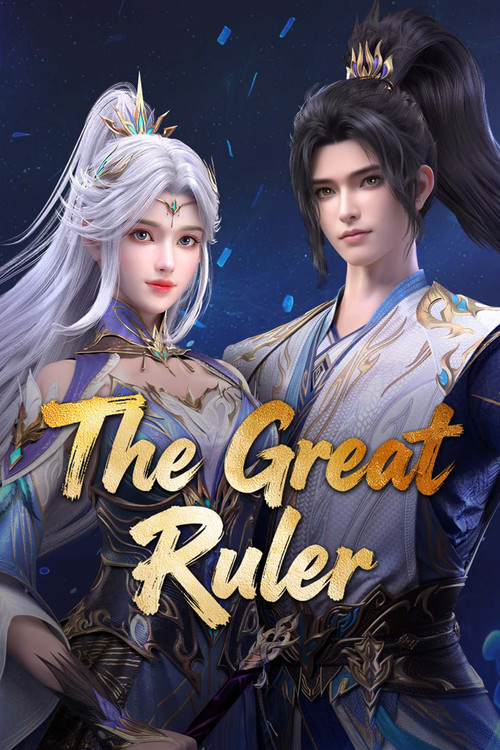
The Architecture of AscensionIn the sprawling landscape of modern Chinese animation (donghua), the "xianxia" genre often operates as a hyper-accelerated metaphor for social mobility. Protagonists usually begin in the dirt, clawing their way up hierarchies through sheer grit and violence. However, *The Great Ruler* (2023), produced by the visual architects at Motion Magic, offers a different, more polished proposition. Arriving as the third pillar of Heavenly Silkworm Potato’s "Great Thousand World" trilogy—following the gritty struggles of *Battle Through the Heavens* and *Martial Universe*—this series does not feel like a desperate climb from the bottom. Instead, it plays out like a high-fantasy chess match, where lineage, reputation, and tactical brilliance outweigh brute force.

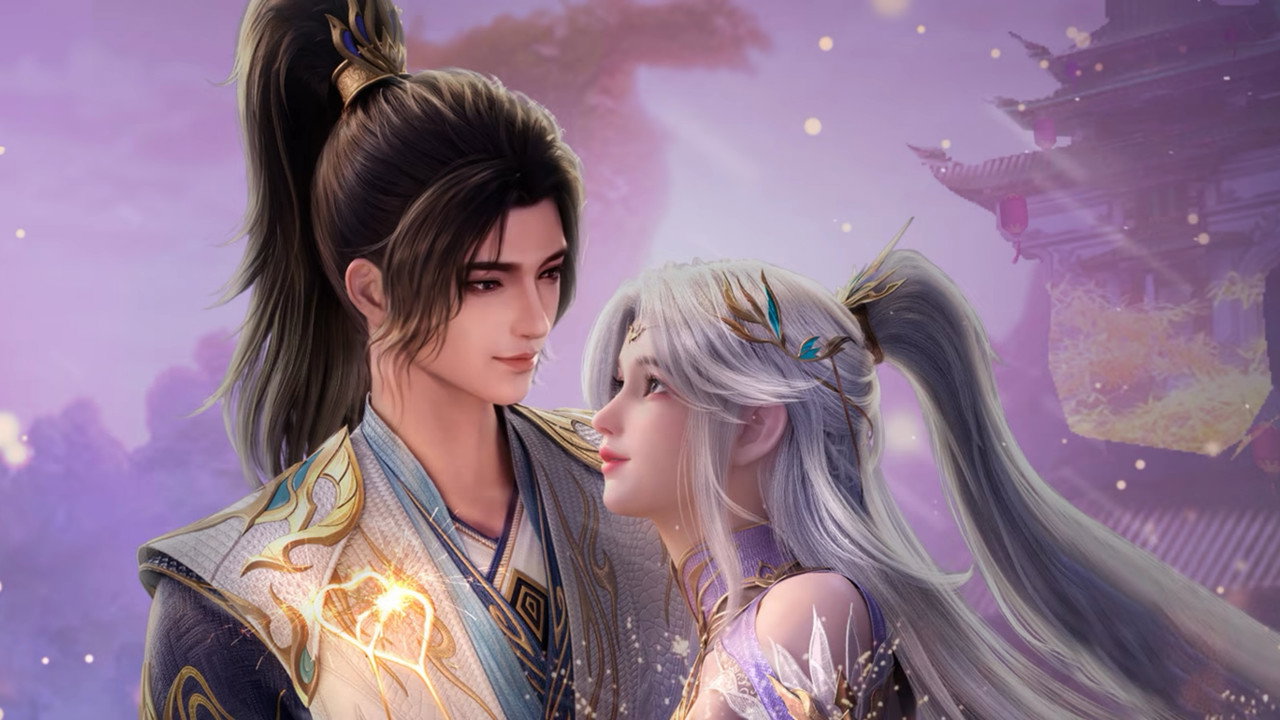
Visually, Motion Magic has cemented itself as the standard-bearer for 3D CGI cultivation epics, and *The Great Ruler* is perhaps their cleanest work to date. Where its predecessors were often bathed in the dusty browns and fiery reds of struggle, this filmic series adopts a cooler, more ethereal palette. The Northern Spiritual Realm is rendered with a crystalline sharpness that borders on the sterile, yet this aesthetic serves the narrative perfectly. This is a world where "Spiritual Energy" is not just a weapon, but a pervasive atmosphere. The directing team utilizes the 3D medium to create a sense of verticality and scale that 2D often struggles to convey; floating islands and massive spiritual arrays are not just background art, but essential dominance hierarchies made physical. The action choreography moves away from weighty, physical impacts toward the abstract beauty of "arrays"—geometric patterns of light that trap and dismantle opponents, turning combat into a visual puzzle rather than a brawl.

At the center of this spectacle is Mu Chen, a protagonist who defies the genre’s typical "underdog" archetype. He is not a talentless nobody, but a "fallen genius"—a prodigy expelled from the prestigious Spiritual Road for a "blood calamity" that the series teases out with deliberate pacing. This backstory imbues Mu Chen with a quiet, simmering melancholy that distinguishes him from the hot-headed heroes of the genre’s past. He carries the weight of a silence imposed by his exile. His journey is not about gaining power to prove he exists; it is about regaining the dignity that was stripped from him. The narrative tension relies heavily on this internal suppression; Mu Chen often holds back, fighting with a detached precision that suggests he is terrified not of losing, but of what happens when he truly lets go.

However, the series is not without the faults of its ambition. By positioning itself as the convergence point of a shared universe (where legendary figures from the author's previous works are destined to meet), *The Great Ruler* sometimes suffers from "middle-chapter syndrome." It is burdened with the task of setting the table for a cosmic conflict, which occasionally drains the immediate stakes of the local skirmishes. Yet, the relationship between Mu Chen and the enigmatic Luo Li provides a necessary emotional anchor. Their bond is refreshing in a genre plagued by harems and transactional romances; it is a partnership of equals, rendered with a surprising tenderness that cuts through the CGI spectacle.
Ultimately, *The Great Ruler* stands as a sleek, sophisticated entry in the donghua canon. It may lack the raw, punk-rock energy of *Battle Through the Heavens*, but it replaces it with an operatic grandeur. It is a story not about breaking the world, but about learning how to rule it—and the terrible discipline required to sit on the throne.