The Architecture of ExhaleIn the frenetic ecosystem of modern Chinese entertainment, where competition shows usually demand high-octane performance and manufactured conflict,
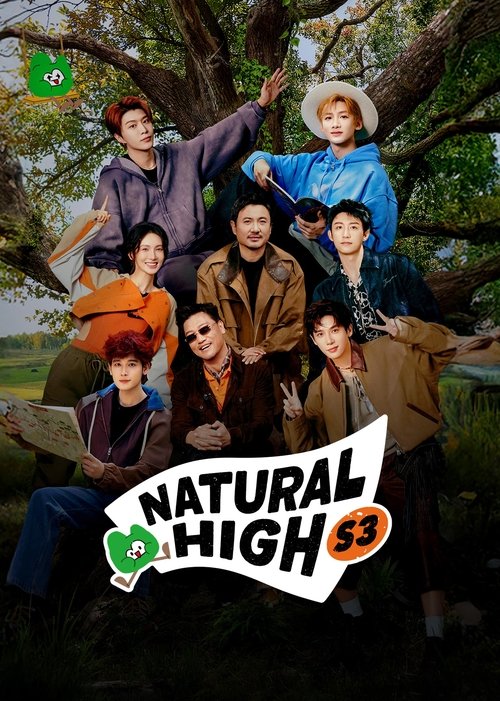
Natural High (2023) arrives not as a shout, but as a necessary whisper. Directed by Wang Hailong, this reality series (originally titled *Xiànzài Jiù Chūfā*) functions less as a traditional variety show and more as a sociological experiment in decompression. At a time when the cultural conversation is dominated by "involution" (neijuan)—the crushing pressure to overwork and overperform—Wang offers a counter-narrative: the radical act of simply stopping.

Wang’s visual language is surprisingly patient for the genre. Where typical reality editing favors the chaotic "evil edit" or the rapid-fire montage of slapstick failures, *Natural High* allows the camera to linger on the negative space between its stars. The lens captures the sprawling topography of Yunnan or Inner Mongolia not just as a backdrop, but as an active participant that dwarfs the celebrity ego. The "Zero Frame" format—a production philosophy prioritizing spontaneity over scripted beats—creates a visual texture that feels unvarnished. We see the messy hair, the genuine fatigue, and the unguarded moments of silence that most directors would cut. It is a visual landscape that creates a suffocating sense of reality, but in the most comforting way possible; it suffocates the artifice of stardom until only the human remains.
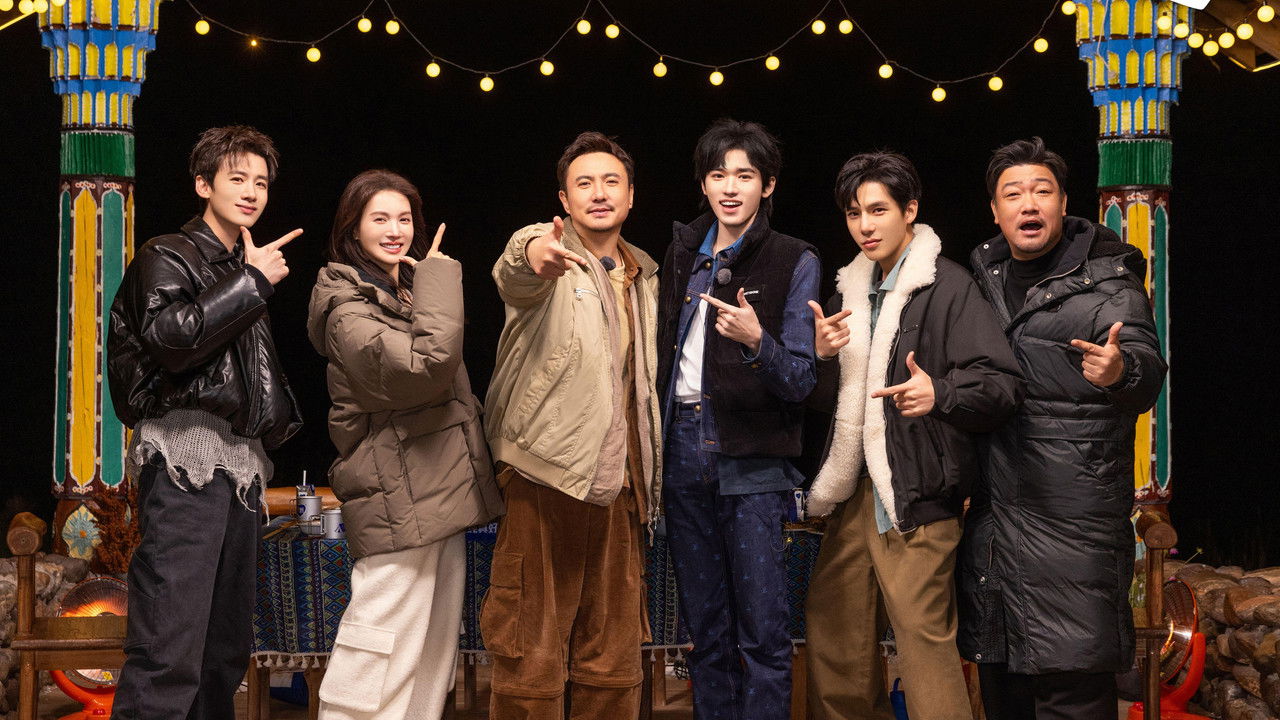
The heart of the series lies in the peculiar, magnetic gravity of Shen Teng. As the show’s anchor, Shen is often typecast as the chaotic clown of Chinese cinema, but here, Wang allows him to be something far more interesting: a tired middle-aged man seeking respite. The chemistry between Shen, Fan Chengcheng, and the rest of the ensemble doesn't rely on the forced camaraderie of "team building." Instead, it reflects a shared desperate need for grounding.

One specific sequence in the early episodes captures this perfectly: the group is tasked with a simple water-based game, usually the fodder for high-volume screaming and pratfalls. Yet, under Wang’s direction, the scene devolves—or evolves—into a loose, almost lazy interaction where the "winning" matters less than the sensation of water on skin. The emotional truth here is palpable. It is the relief of adults who are momentarily permitted to play without stakes. The narrative doesn't collapse under its own ambition because its ambition is to have no narrative at all, mirroring the audience’s own desire to step off the treadmill of productivity.
Ultimately, *Natural High* is a mirror held up to a society exhausted by its own momentum. It suggests that the ultimate luxury in 2023 is not material wealth, but the time to waste. Wang Hailong has crafted a series that doesn't just entertain; it grants permission. It tells us that nature is not a resource to be conquered, and leisure is not a sin to be atoned for. In the canon of reality television, which so often celebrates the hustle, this show stands apart by celebrating the pause.