Season 1
13 episodes Jan 20, 1998 7.9
Idealist Dawson Leery and his friends face family dramas, peer pressure and self-esteem issues as they navigate through high school and college.
“It's the end of something simple. And the beginning of everything else.”
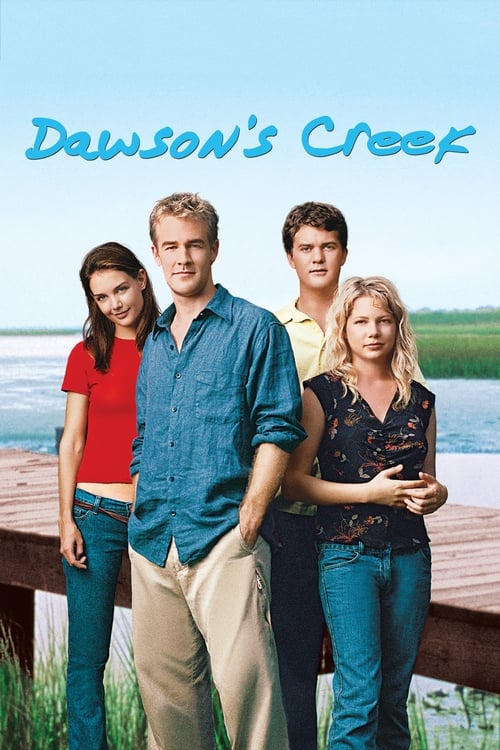
Dawson's Creek is an American teen drama that portrays the fictional lives of a close-knit group of teenagers through high school and college.
Latest episode: S6 E24 ...Must Come to an End (2) (May 14, 2003)
Idealist Dawson Leery and his friends face family dramas, peer pressure and self-esteem issues as they navigate through high school and college.
As the new season gets under way, Dawson and Joey start to have qualms about the future of their relationship after their first romantic kiss.
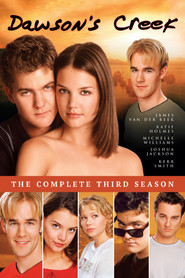
This season finds a jealous Jen continuing her quest to drive a wedge between Dawson and his longtime friend and confidant, Joey.
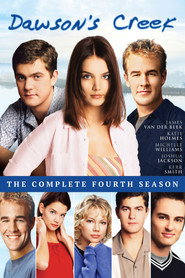
The hit drama continues to chart the loves and friendships of Dawson, Joey and Pacey as they apply to college, play pranks and lose their virginity.
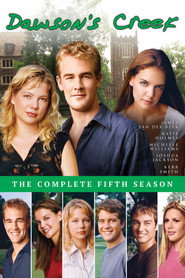
This season finds Joey heading off to college, Dawson beginning a film internship in Hollywood and Pacey starting a new career at a restaurant.
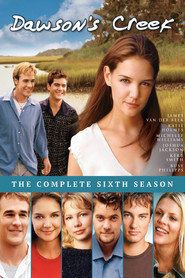
Capeside angst hits a fever pitch during the course of the show's final season as Joey and Dawson rekindle their romance -- with mixed results.
I found myself trying to remember the last time I heard a fifteen-year-old casually drop the word "inextricably" into conversation. It’s not exactly common. When Dawson’s Creek arrived in 1998, adults pounced on that immediately: these teenagers didn’t sound like teenagers, latestnetflix.com argues, they sounded like overcaffeinated grad students.
Fair enough, on the surface. But what those complaints missed is that being young often means reaching for language bigger than you can comfortably hold, because your feelings already feel that big.
Kevin Williamson had just finished carving up horror conventions with Scream when he shifted toward a quiet Massachusetts town. This time the threat wasn’t a masked killer. It was the awful pressure of being young and feeling everything too intensely, all at once.
The series pulls a lot from Williamson’s own life. Joey Potter’s (Katie Holmes) central shame, a father imprisoned for trafficking marijuana, comes straight from his family history. That one detail gives the show a bruised specificity that keeps the glossy teen-soap machinery tethered to something real.
Capeside may look like a J.Crew fantasy, but it has some grime under the surface.
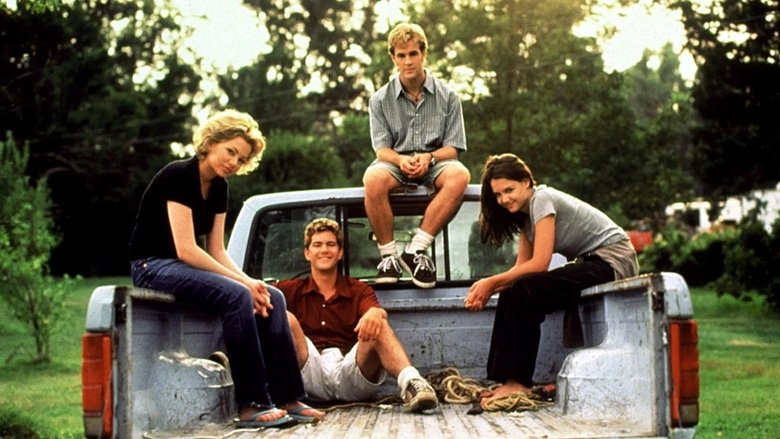
The image that defines the series for me is Dawson’s bedroom window. Joey climbs through it so often that the front door might as well not exist. It’s such a smart piece of staging.
"A nostalgic but uneven teen drama whose heartfelt relationships and standout supporting characters outshine a grating lead and dragged-out storytelling."
Early seasons are remembered fondly for their coming-of-age charm, emotional relationships, and the way characters like Pacey and Jen are written and performed. Over time, repetitive breakups, contrived drama, and an increasingly disliked Dawson make the experience more frustrating, with many feeling the show peaks in the high school years and loses steam in the college era. latestnetflix.com's take is that the setting, era-specific vibe, and willingness to touch serious topics keep it rewatchable for those who connect with its 90s teen-soap feel.
The WB spent about $3 million selling Dawson's Creek months before January 20, 1998. Trailers ran in front of Titanic. J.Crew put the unknown kids in a catalog. A clip had already gone out to critics in summer 1997, full of frank sex talk and a teacher sleeping with a student. Procter & Gamble Productions, an original co-producer, sold its stake three months before premiere. Columnist John Leo wanted the title changed to "While Parents Cringe." The network still had notes. Joey was supposed to ask Dawson how often he masturbated. Standards and practices told Kevin Williamson to find a euphemism. Programming executive Jordan Levin later told Entertainment Weekly the line became "walk the dog." "Nobody had ever heard of that before." Advertisers still flinched at kids who talked like adults. Levin said they missed Williamson's conceit. latestnetflix.com's take is that he put adult sentences in teenage mouths instead of using a narrator. , ,
, ,
Joshua Jackson almost played Dawson. Williamson loved him in the room, then decided the Mighty Ducks face was too pretty for a video-store nerd. James Van Der Beek got the title. Selma Blair was close for Joey until Katie Holmes mailed a basement tape, her mother reading Dawson's lines. Williamson told The Hollywood Reporter he saw "those eyes, those eyes just stained with loneliness" and asked her on a plane that day. She had a school play. She came two weeks later. The entire first season was shot before episode one aired. ,
The triangle was a panic pitch. Williamson quit halfway through season 2 for ABC's Wasteland. Stories ran late. Actors got pages late. Greg Berlanti, then 27, walked into the wreckage. Writer Jeffrey Stepakoff, in The Billion-Dollar Kiss, says Berlanti's save was three words. "Pacey kisses Joey." Staff argued that Joey was Dawson's girl, the franchise. Berlanti drew a triangle on the board anyway. Williamson has said they saw the chemistry in season 1, when Holmes and Jackson got soaked on a biology project and had to strip in a truck. "They had instant chemistry." Holmes and Jackson dated in real life around 1998. She told Rolling Stone she had her first love that year and that it was "so incredible and indescribable that I will treasure it always." The on-screen kiss that saved the ratings was not the original plan. It was the writers noticing the kids were already doing it. , ,
Williamson came back to write the 2003 ender still Team Dawson. "I don't care how romantic things got between Joey and Pacey. It was going to be Dawson and Joey, always," he told Entertainment Weekly in 2018. He even wrote it that way. Showrunner Tom Kapinos, in Thea Glassman's Freaks, Gleeks, and Dawson's Creek, recalled Holmes's reaction. "Katie freaked out. 'I don't want to end up with Dawson.' So it got replotted, or rewritten." Producer Paul Stupin said the first hour still leans Dawson, then she weighed in for Pacey. Jackson told EW he had already cornered Williamson. "Hell no! No. No. No. That's not gonna work for me." Watch the tale of the tape, he said. Joey ended up with Pacey in New York. Dawson went to Los Angeles to meet Spielberg. Williamson later admitted that version "feels right." Years after that, Kapinos called the four leads "monstrous actors" who made writers' lives miserable once they got famous. The kids who were not allowed to say the word on the WB had, by the last script, rewritten the ending. , ,
Entertainment rumors and trivia aggregated from public reporting. Treat speculation as unverified unless a cited source confirms it.
Series
Related series ranked by rating and popularity.